
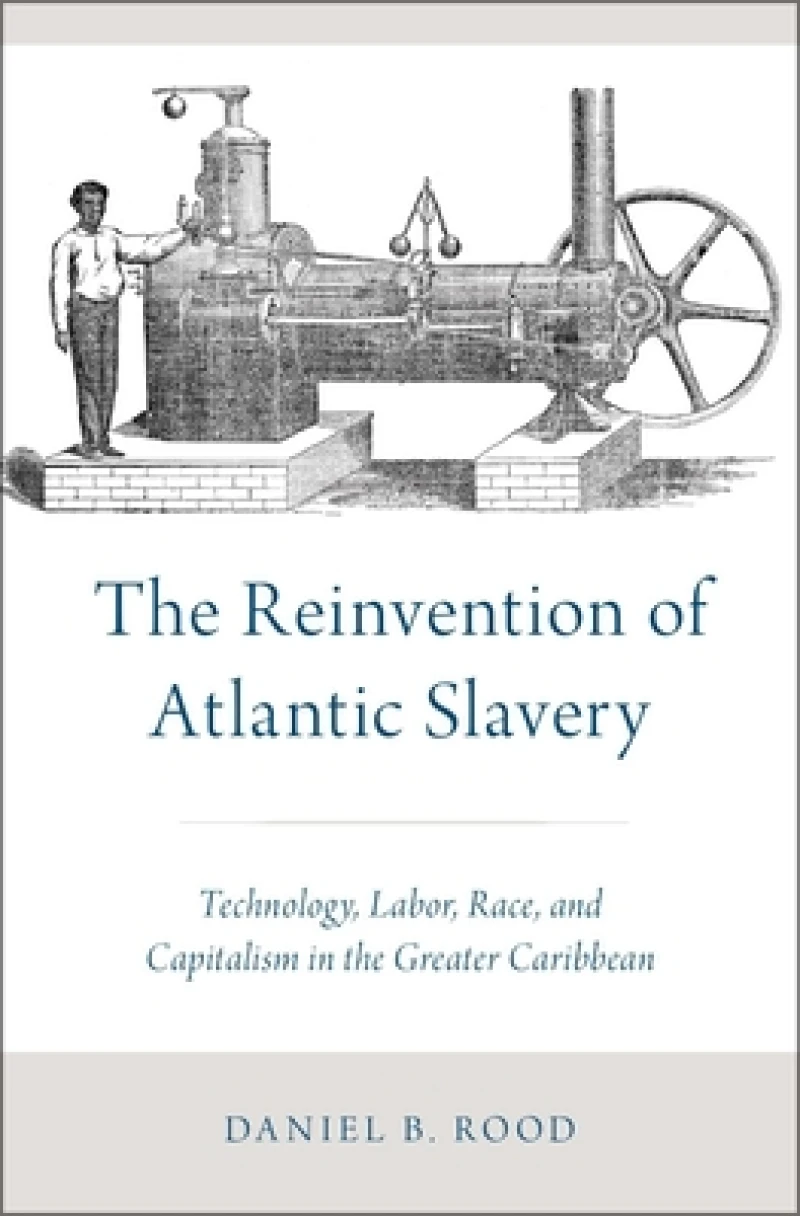
The Reinvention of Atlantic Slavery : Technology, Labor, Race, and Capitalism in the Greater Caribbean
Book Details
Format
Hardback or Cased Book
ISBN-10
0190655267
ISBN-13
9780190655266
Publisher
Oxford University Press Inc
Imprint
Oxford University Press Inc
Country of Manufacture
US
Country of Publication
GB
Publication Date
Jun 7th, 2017
Print length
290 Pages
Weight
548 grams
Dimensions
16.40 x 24.20 x 2.70 cms
Ksh 19,050.00
Manufactured on Demand
0 in stock
Delivery Location
Delivery fee: Select location
Secure
Quality
Fast
The Reinvention of Atlantic Slavery explores how, in an age of industry and abolition, ambitious planters in the Upper US South, Cuba, and Brazil expanded slavery by collaborating with a transnational group of chemists, engineers, and other "plantation experts" to assist them in adapting the technologies of the Industrial Revolution to suit "tropical" needs.
The Reinvention of Atlantic Slavery shows how, at a moment of crisis after the Age of Revolutions, ambitious planters in the Upper US South, Cuba, and Brazil forged a new set of relationships with one another to sidestep the financial dominance of Great Britain and the northeastern United States. They hired a transnational group of chemists, engineers, and other "plantation experts" to assist them in adapting the technologies of the Industrial Revolution to suit "tropical" needs and maintain profitability. These experts depended on the know-how of slaves alongside whom they worked. Bondspeople with industrial craft skills played key roles in the development of new production technologies like sugar mills. While the very existence of skilled enslaved workers contradicted the racial ideologies underpinning slavery and allowed black people to wield new kinds of authority within the plantation world, their contributions reinforced the economic dynamism of the slave economies of Cuba, Brazil, and the Upper South. When separate wars broke out in all three locations in the 1860s, the transnational bloc of masters and experts took up arms to perpetuate the Greater Caribbean they had built throughout the 1840s and 1850s. Slaves played key wartime roles on the opposing side, helping put an end to chattel slavery. However, the worldwide racial division of labor that emerged from the reinvented plantation complex has proved more durable.
Get The Reinvention of Atlantic Slavery by at the best price and quality guaranteed only at Werezi Africa's largest book ecommerce store. The book was published by Oxford University Press Inc and it has pages.

