

The Representation Gap : Change and Reform in the British and American Workplace
by
Brian Towers
Book Details
Format
Hardback
ISBN-10
0198289464
ISBN-13
9780198289463
Publisher
Oxford University Press
Imprint
Oxford University Press
Country of Manufacture
GB
Country of Publication
GB
Publication Date
Nov 6th, 1997
Print length
312 Pages
Weight
641 grams
Dimensions
24.30 x 16.40 x 2.20 cms
KSh 10,450.00
Currently unavailable
0 in stock
Delivery Location
Delivery fee: Select location
Secure
Quality
Fast
A comparative study showing how British and American workers have experienced a weakening of their defences against the management prerogative and have borne a greater part of the business and organisational risk. This is explained through the withdrawal of public policy support for collective bargaining with implications for the democratic process
For up to twenty years after the Second World War both in Britain and the US boasted `mature'' industrial relations systems supported by their governments and, allowing for some differences in degree, by most employers. Since the early 1980s, these systems have been critically weakened. This comparative industrial relations text explains this development primarily through the withdrawal of public policy support and, mainly in Britain''s case, its replacement by government hostility. An important consequence of this is the erosion of the effective defence and representation of employee interests as the managerial prerogative has been allowed, even encouraged, to extend its authority in the workplace. The `representation gap'' has grown so that six out of seven US employees, and two out of three British, are not represented at work, at the same time as there has been increasing discussion of `team'' working etc. This could be a serious negative development for economic performance. A growing body of research is indicating that employers who bargain with trade unions, or enter into partnerships with them, are likely to be more productive than their non-union competitors. More importantly, the size of the representation gap presents a clear denial of the democratic rights of citizens, in their role as employees, with potentially serious implications for social stability both within and beyond the workplace.
Get The Representation Gap by Brian Towers at the best price and quality guaranteed only at Werezi Africa's largest book ecommerce store. The book was published by Oxford University Press and it has 312 pages.
Customers Who Bought This Also Bought

Chokepoint Capitalism
KSh 2,000.00

Social Security and Retirement around the World
KSh 14,500.00
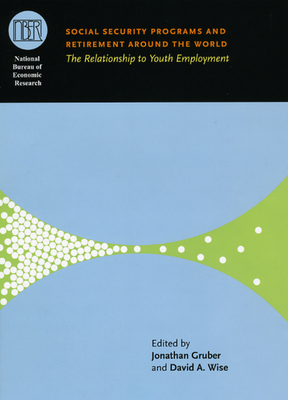
Social Security Programs and Retirement around the World
KSh 19,800.00

Organised Capital
KSh 6,200.00

The Great Escape
KSh 2,900.00

The Oxford Handbook of Productivity Analysis
KSh 32,100.00
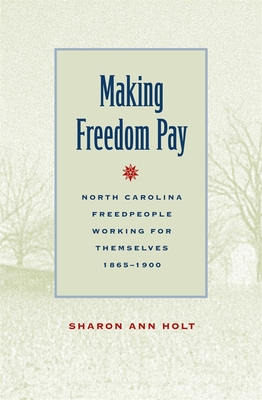
Making Freedom Pay
KSh 5,750.00
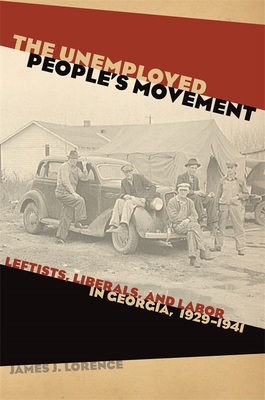
The Unemployed People's Movement
KSh 27,550.00

Victory at Home
KSh 6,000.00

Victory at Home
KSh 17,000.00

Deep Exegesis
KSh 6,500.00
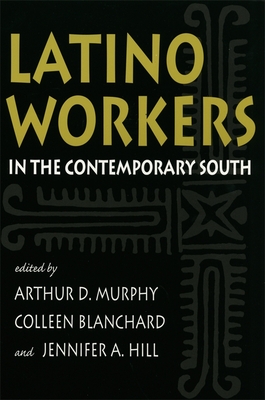
Latino Workers in the Contemporary South
KSh 6,000.00
