
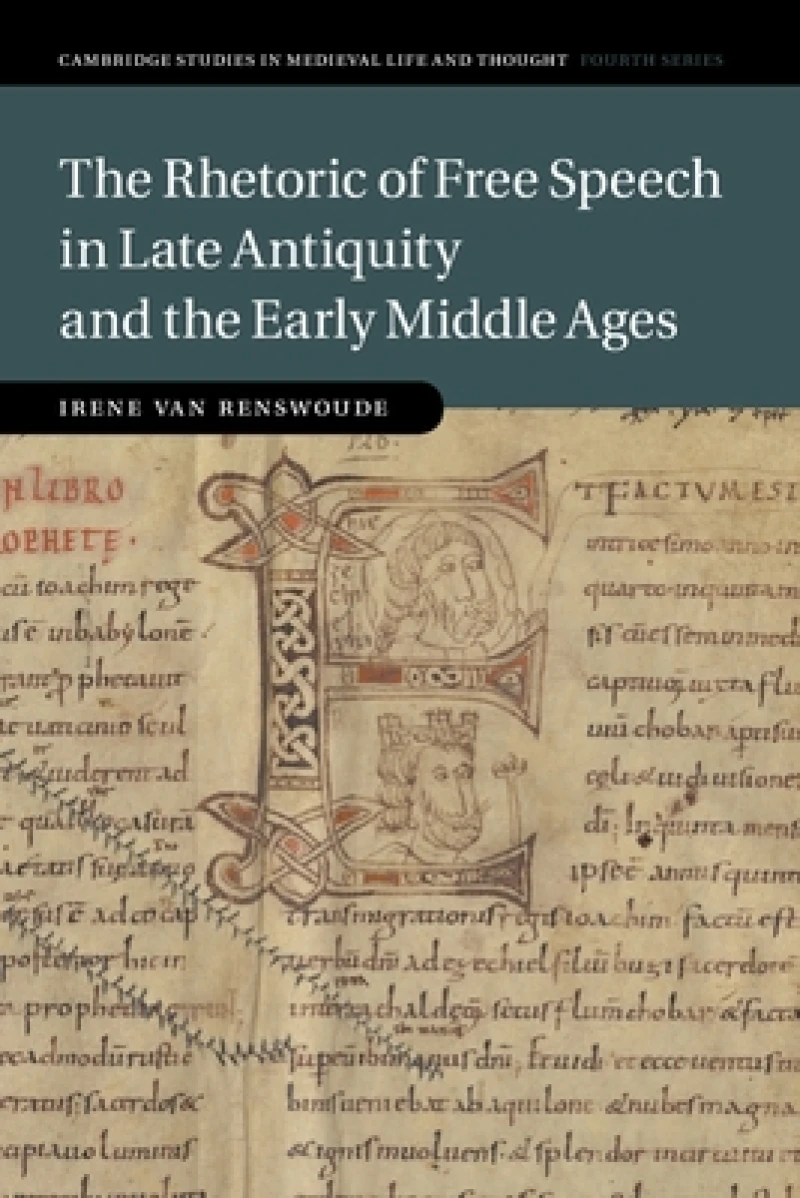
The Rhetoric of Free Speech in Late Antiquity and the Early Middle Ages
Book Details
Format
Paperback / Softback
ISBN-10
1108725473
ISBN-13
9781108725477
Publisher
Cambridge University Press
Imprint
Cambridge University Press
Country of Manufacture
GB
Country of Publication
GB
Publication Date
Jun 3rd, 2021
Print length
289 Pages
Weight
424 grams
Dimensions
15.10 x 22.80 x 1.90 cms
Product Classification:
European historySocial & cultural historyOral historyPolitical ideologies
Ksh 6,250.00
Manufactured on Demand
0 in stock
Delivery Location
Delivery fee: Select location
Secure
Quality
Fast
This in-depth and accessible analysis of the rhetoric of dissidents, outsiders and truth-tellers challenges preconceptions about free speech and political criticism in the early Middle Ages, revealing that there was room for political dissent in this period, as long as critics employed the right rhetoric and adhered to scripted roles.
The early Middle Ages is not a period traditionally associated with free speech. It is still widely held that free speech declined towards the end of Antiquity, disappearing completely at the beginning of the Middle Ages, and only re-emerging in the Renaissance, when people finally learned to think and speak for themselves again. Challenging this tenacious image, Irene van Renswoude reveals that there was room for political criticism and dissent in this period, as long as critics employed the right rhetoric and adhered to scripted roles. This study of the rhetoric of free speech from c.200 to c.900 AD explores the cultural rules and rhetorical performances that shaped practices of delivering criticism from Antiquity to the Middle Ages, examining the rhetorical strategies of letters and narratives in the late antique and early medieval men, and a few women, who ventured to speak the truth to the powerful.
Get The Rhetoric of Free Speech in Late Antiquity and the Early Middle Ages by at the best price and quality guaranteed only at Werezi Africa's largest book ecommerce store. The book was published by Cambridge University Press and it has pages.

