
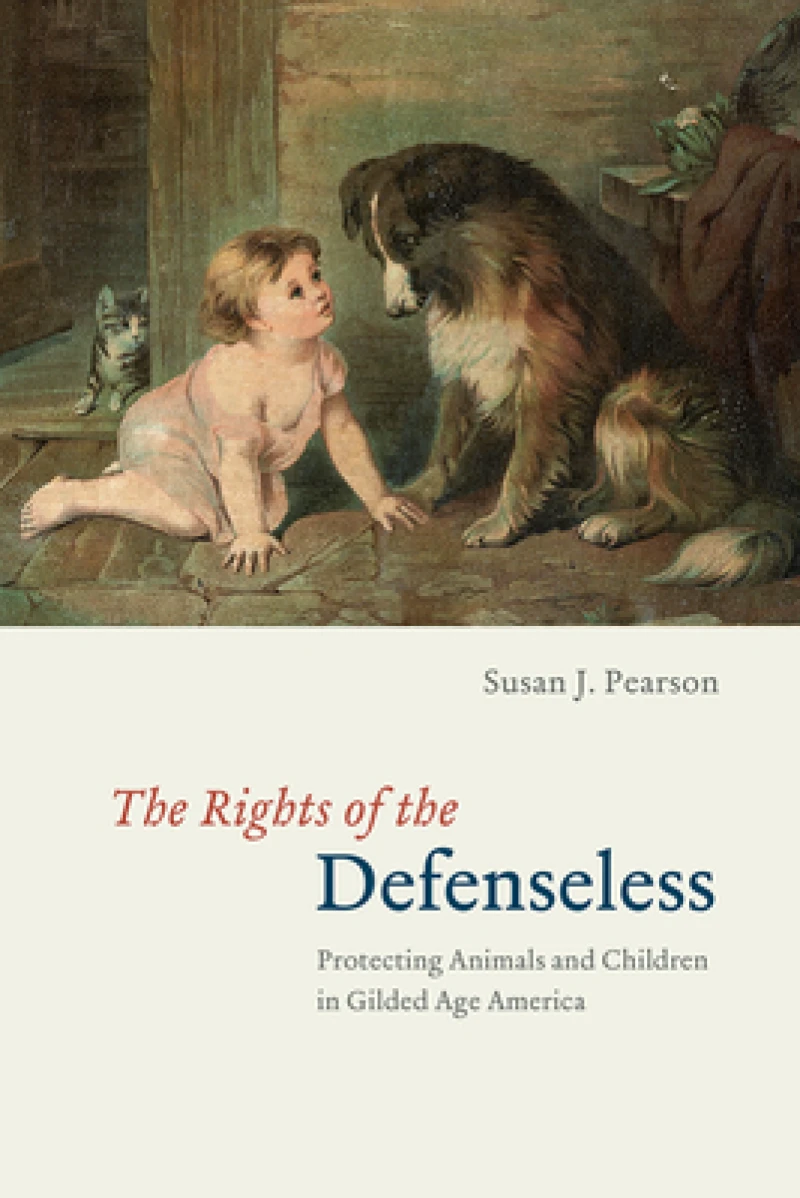
The Rights of the Defenseless – Protecting Animals and Children in Gilded Age America
Book Details
Format
Paperback / Softback
ISBN-10
022676060X
ISBN-13
9780226760605
Publisher
The University of Chicago Press
Imprint
University of Chicago Press
Country of Manufacture
US
Country of Publication
GB
Publication Date
Oct 12th, 2020
Print length
280 Pages
Dimensions
0.90 x 0.60 x 0.10 cms
Ksh 5,050.00
Werezi Extended Catalogue
0 in stock
Delivery Location
Delivery fee: Select location
Secure
Quality
Fast
In 1877, the American Humane Society was formed as the national organization for animal and child protection. Thirty years later, there were 354 anticruelty organizations chartered in the United States, nearly 200 of which were similarly invested in the welfare of both humans and animals. In The Rights of the Defenseless, Susan J. Pearson seeks to understand the institutional, cultural, legal, and political significance of the perceived bond between these two kinds of helpless creatures, and the attempts made to protect them. Unlike many of today’s humane organizations, those Pearson follows were delegated police powers to make arrests and bring cases of cruelty to animals and children before local magistrates. Those whom they prosecuted were subject to fines, jail time, and the removal of either animal or child from their possession. Pearson explores the limits of and motivation behind this power and argues that while these reformers claimed nothing more than sympathy with the helpless and a desire to protect their rights, they turned “cruelty” into a social problem, stretched government resources, and expanded the state through private associations. The first book to explore these dual organizations and their storied history, The Rights of the Defenseless will appeal broadly to reform-minded historians and social theorists alike.
Get The Rights of the Defenseless – Protecting Animals and Children in Gilded Age America by at the best price and quality guaranteed only at Werezi Africa's largest book ecommerce store. The book was published by The University of Chicago Press and it has pages.

