
The Scars We Carve : Bodies and Wounds in Civil War Print Culture
Book Details
Format
Hardback or Cased Book
ISBN-10
0807170372
ISBN-13
9780807170373
Publisher
Louisiana State University Press
Imprint
Louisiana State University Press
Country of Manufacture
US
Country of Publication
GB
Publication Date
Apr 10th, 2019
Print length
224 Pages
Weight
408 grams
Dimensions
21.60 x 14.00 x 2.20 cms
Ksh 6,550.00
Temporarily out of stock, due soon
0 in stock
Delivery Location
Delivery fee: Select location
Secure
Quality
Fast
Considers the ubiquitous images of bodies - white and black, male and female, soldier and civilian - that appear throughout newspapers, lithographs, poems, and other texts circulated during and in the decades immediately following the Civil War.
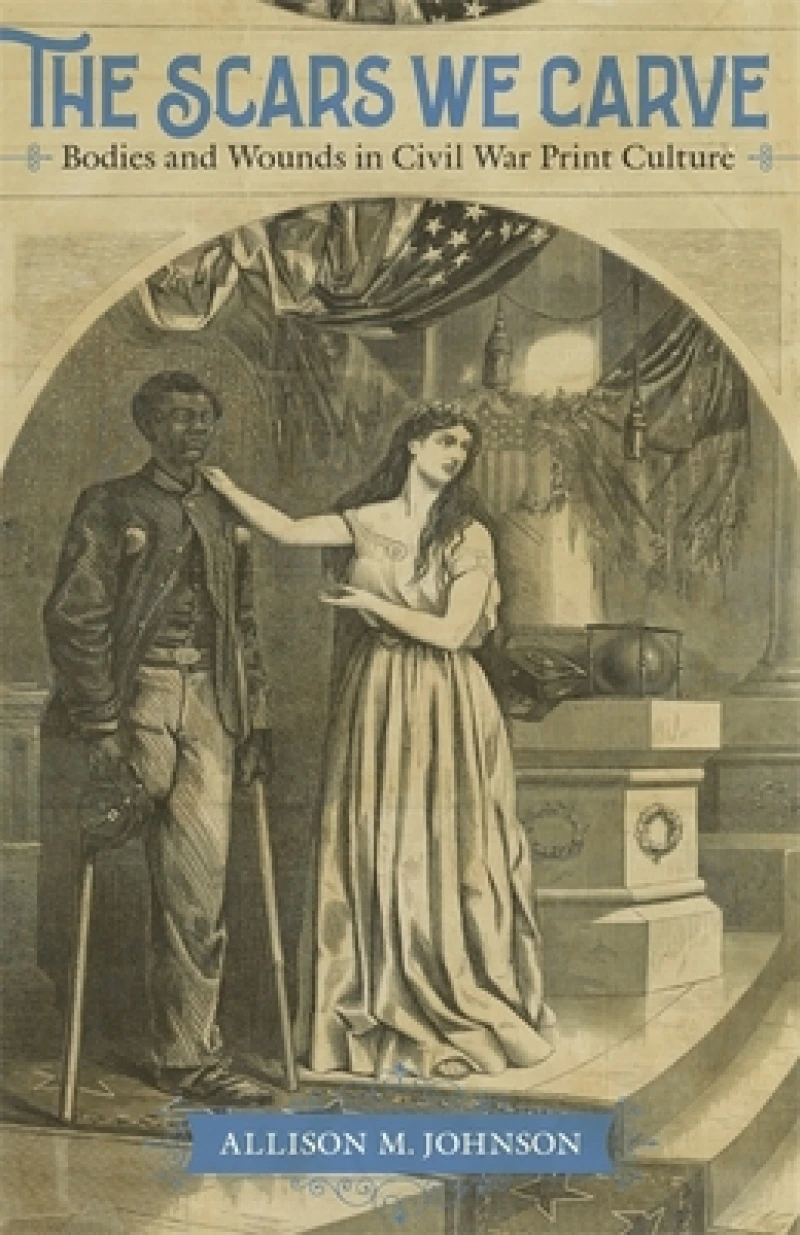
In The Scars We Carve: Bodies and Wounds in Civil War Print Culture, Allison M. Johnson considers the ubiquitous images of bodies- white and black, male and female, soldier and civilian- that appear throughout newspapers, lithographs, poems, and other texts circulated during and in the decades immediately following the Civil War. Rather than dwelling on the work of well-known authors, The Scars We Carve uncovers a powerful archive of Civil War- era print culture in which the individual body and its component parts, marked by violence or imbued with rhetorical power, testify to the horrors of war and the lasting impact of the internecine conflict.
The Civil War brought about vast changes to the nation's political, social, racial, and gender identities, and Johnson argues that print culture conveyed these changes to readers through depictions of nonnormative bodies. She focuses on images portrayed in the pages of newspapers and journals, in the left-handed writing of recent amputees who participated in penmanship contests, and in the accounts of anonymous poets and storytellers. Johnson reveals how allegories of the feminine body as a representation of liberty and the nation carved out a place for women in public and political realms, while depictions of slaves and black soldiers justified black manhood and citizenship in the midst of sectional crisis.
By highlighting the extent to which the violence of the conflict marked the physical experience of American citizens, as well as the geographic and symbolic bodies of the republic, The Scars We Carve diverges from narratives of the Civil War that stress ideological abstraction, showing instead that the era's print culture contains a literary and visual record of the war that is embodied and individualized.
The Civil War brought about vast changes to the nation's political, social, racial, and gender identities, and Johnson argues that print culture conveyed these changes to readers through depictions of nonnormative bodies. She focuses on images portrayed in the pages of newspapers and journals, in the left-handed writing of recent amputees who participated in penmanship contests, and in the accounts of anonymous poets and storytellers. Johnson reveals how allegories of the feminine body as a representation of liberty and the nation carved out a place for women in public and political realms, while depictions of slaves and black soldiers justified black manhood and citizenship in the midst of sectional crisis.
By highlighting the extent to which the violence of the conflict marked the physical experience of American citizens, as well as the geographic and symbolic bodies of the republic, The Scars We Carve diverges from narratives of the Civil War that stress ideological abstraction, showing instead that the era's print culture contains a literary and visual record of the war that is embodied and individualized.
Get The Scars We Carve by at the best price and quality guaranteed only at Werezi Africa's largest book ecommerce store. The book was published by Louisiana State University Press and it has pages.

