
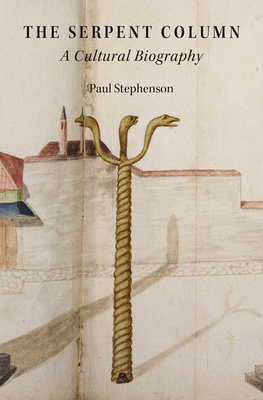
The Serpent Column : A Cultural Biography
Book Details
Format
Hardback
Book Series
Onassis Series in Hellenic Culture
ISBN-10
0190209062
ISBN-13
9780190209063
Publisher
Oxford University Press Inc
Imprint
Oxford University Press Inc
Country of Manufacture
US
Country of Publication
GB
Publication Date
Aug 18th, 2016
Print length
304 Pages
Weight
698 grams
Dimensions
16.60 x 24.20 x 2.20 cms
KSh 19,700.00
Currently unavailable
0 in stock
Delivery Location
Delivery fee: Select location
Secure
Quality
Fast
Paul Stephenson twists together multiple strands to relate the cultural biography of a unique monument, the Serpent Column, which stands today in Istanbul 2500 years after it was raised at Delphi.
The Serpent Column, a bronze sculpture that has stood in Delphi and Constantinople, today Istanbul, is a Greek representation of the Near Eastern primordial combat myth: it is Typhon, a dragon defeated by Zeus, and also Python slain by Apollo. The column was created after the Battle of Plataia (479BC), where the sky was dominated by serpentine constellations and by the spiralling tails of the Milky Way. It was erected as a votive for Apollo and as a monument to the victory of the united Greek poleis over the Persians. It is as a victory monument that the column was transplanted to Constantinople and erected in the hippodrome. The column remained a monument to cosmic victory through centuries, but also took on other meanings. Through the Byzantine centuries these interpretation were fundamentally Christian, drawing upon serpentine imagery in Scripture, patristic and homiletic writings. When Byzantines saw the monument they reflected upon this multivalent serpentine symbolism, but also the fact that it was a bronze column. For these observers, it evoked the Temple''s brazen pillars, Moses'' brazen serpent, the serpentine tempter of Genesis (Satan), and the beast of Revelation. The column was inserted into Christian sacred history, symbolizing creation and the end times. The most enduring interpretation of the column, which is unrelated to religion, and therefore survived the Ottoman capture of the city, is as a talisman against snakes and snake-bites. It is this tale that was told by travellers to Constantinople throughout the Middle Ages, and it is this story that is told to tourists today who visit Istanbul. In this book, Paul Stephenson twists together multiple strands to relate the cultural biography of a unique monument.
Get The Serpent Column by Paul Stephenson at the best price and quality guaranteed only at Werezi Africa's largest book ecommerce store. The book was published by Oxford University Press Inc and it has 304 pages.
Customers Who Bought This Also Bought

Silent Patient
KSh 2,000.00

The Art of the Roman Empire
KSh 4,500.00
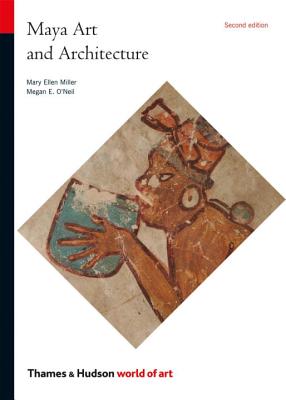
Maya Art and Architecture
KSh 2,450.00
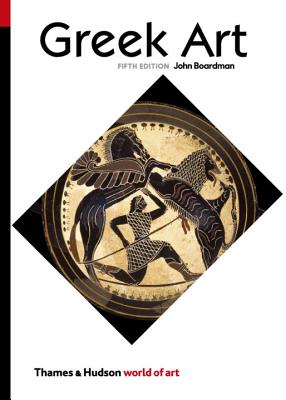
Greek Art
KSh 2,600.00

Fragmenta
KSh 22,950.00
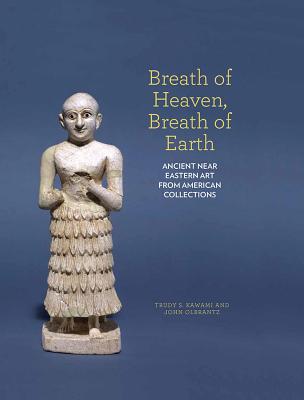
Breath of Heaven, Breath of Earth – Ancient Near Eastern Art from American Collections
KSh 8,650.00
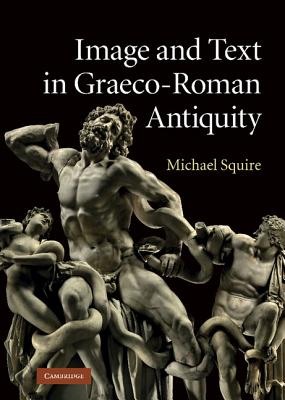
Image and Text in Graeco-Roman Antiquity
KSh 24,650.00
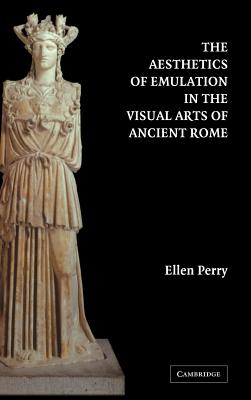
The Aesthetics of Emulation in the Visual Arts of Ancient Rome
KSh 17,100.00

Music and Philosophy in the Roman Empire
KSh 24,650.00

Forgery Beyond Deceit
KSh 21,850.00
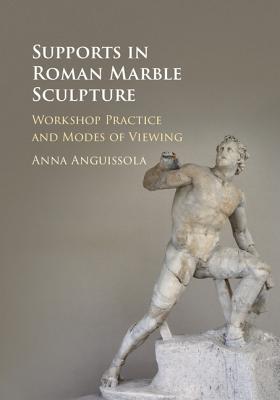
Supports in Roman Marble Sculpture
KSh 17,800.00

Hermogenes and Hellenistic-Roman Temple Building
KSh 18,700.00
More by Paul Stephenson

European Union Policy in Action
KSh 18,000.00

European Union Policy in Action
KSh 5,950.00

Those People
KSh 900.00

Management Systems for Construction
KSh 28,400.00

Hard Drive
KSh 2,350.00

Byzantium''s Balkan Frontier
KSh 20,500.00
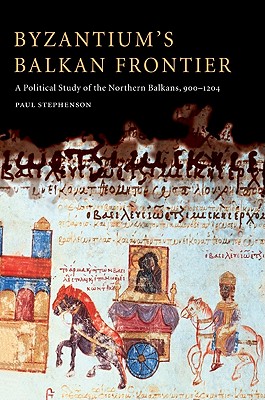
Byzantium''s Balkan Frontier
KSh 8,900.00

Construction Planning
KSh 6,950.00

Management Systems for Construction
KSh 14,950.00

New Rome
KSh 5,400.00

The Legend of Basil the Bulgar-Slayer
KSh 4,100.00

New Rome
KSh 2,700.00
