
Cart 0
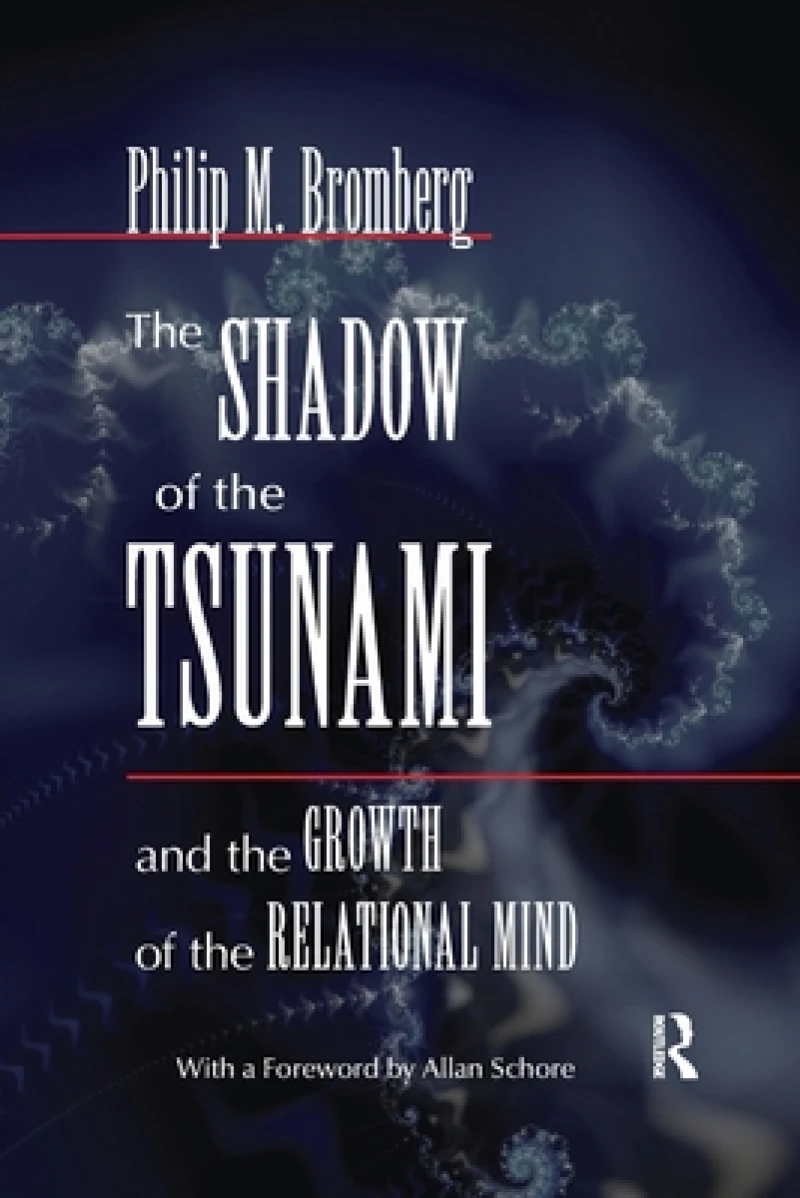
The Shadow of the Tsunami
Click to zoom

Share this book

The Shadow of the Tsunami : and the Growth of the Relational Mind

Book Details

Format Paperback / Softback
ISBN-10 0367606224
ISBN-13 9780367606220
Publisher Taylor & Francis Ltd
Imprint Routledge
Country of Manufacture GB
Country of Publication GB
Publication Date Jun 30th, 2020
Print length 256 Pages
Weight 370 grams
Dimensions 17.10 x 22.80 x 1.80 cms
Ksh 6,500.00
Werezi Extended Catalogue 0 in stock

Delivery Location

Delivery fee: Select location

Secure
Quality
Fast
During early development, every human being is exposed to the relative impact of relational trauma – disconfirmation of aspects of oneself as having legitimate existence in the world of others – in shaping both the capacity for spontaneous human relatedness and the relative vulnerability to "adult-onset trauma." To one degree or another, a wave of dysregulated affect – a dissociated "tsunami" – hits the immature mind, and if left relationally unprocessed leaves a fearful shadow that weakens future ability to regulate affect in an interpersonal context and reduces the capacity to trust, sometimes even experience, authentic human discourse. In his fascinating third book, Philip Bromberg deepens his inquiry into the nature of what is therapeutic about the therapeutic relationship: its capacity to move the psychoanalytic process along a path that, bit by bit, shrinks a patient's vulnerability to the pursuing shadow of affective destabilization while simultaneously increasing intersubjectivity. What takes places along this path does not happen because "this" led to "that," but because the path is its own destination – a joint achievement that underlies what is termed in the subtitle "the growth of the relational mind."Expanding the self-state perspective of Standing in the Spaces (1998) and Awakening the Dreamer (2006), Bromberg explores what he holds to be the two nonlinear but interlocking rewards of successful treatment – healing and growth. The psychoanalytic relationship is illuminated not as a medium for treating an illness but as an opportunity for two human beings to live together in the affectively enacted shadow of the past, allowing it to be cognitively symbolized by new cocreated experience that is processed by thought and language – freeing the patient's natural capacity to feel trust and joy as part of an enduring regulatory stability that permits life to be lived with creativity, love, interpersonal spontaneity, and a greater sense of meaning.

During early development, every human being is exposed to the relative impact of relational trauma – disconfirmation of aspects of oneself as having legitimate existence in the world of others – in shaping both the capacity for spontaneous human relatedness and the relative vulnerability to "adult-onset trauma." To one degree or another, a wave of dysregulated affect – a dissociated "tsunami" – hits the immature mind, and if left relationally unprocessed leaves a fearful shadow that weakens future ability to regulate affect in an interpersonal context and reduces the capacity to trust, sometimes even experience, authentic human discourse.


In his fascinating third book, Philip Bromberg deepens his inquiry into the nature of what is therapeutic about the therapeutic relationship: its capacity to move the psychoanalytic process along a path that, bit by bit, shrinks a patient''s vulnerability to the pursuing shadow of affective destabilization while simultaneously increasing intersubjectivity. What takes places along this path does not happen because "this" led to "that," but because the path is its own destination – a joint achievement that underlies what is termed in the subtitle "the growth of the relational mind."


Expanding the self-state perspective of Standing in the Spaces (1998) and Awakening the Dreamer (2006), Bromberg explores what he holds to be the two nonlinear but interlocking rewards of successful treatment – healing and growth. The psychoanalytic relationship is illuminated not as a medium for treating an illness but as an opportunity for two human beings to live together in the affectively enacted shadow of the past, allowing it to be cognitively symbolized by new cocreated experience that is processed by thought and language – freeing the patient''s natural capacity to feel trust and joy as part of an enduring regulatory stability that permits life to be lived with creativity, love, interpersonal spontaneity, and a greater sense of meaning.


Get The Shadow of the Tsunami by at the best price and quality guaranteed only at Werezi Africa's largest book ecommerce store. The book was published by Taylor & Francis Ltd and it has pages.


Mind, Body, & Spirit

Shopping Cart

Africa largest book store

Sub Total:
Ebooks

Digital Library
Coming Soon

Our digital collection is currently being curated to ensure the best possible reading experience on Werezi. We'll be launching our Ebooks platform shortly.