
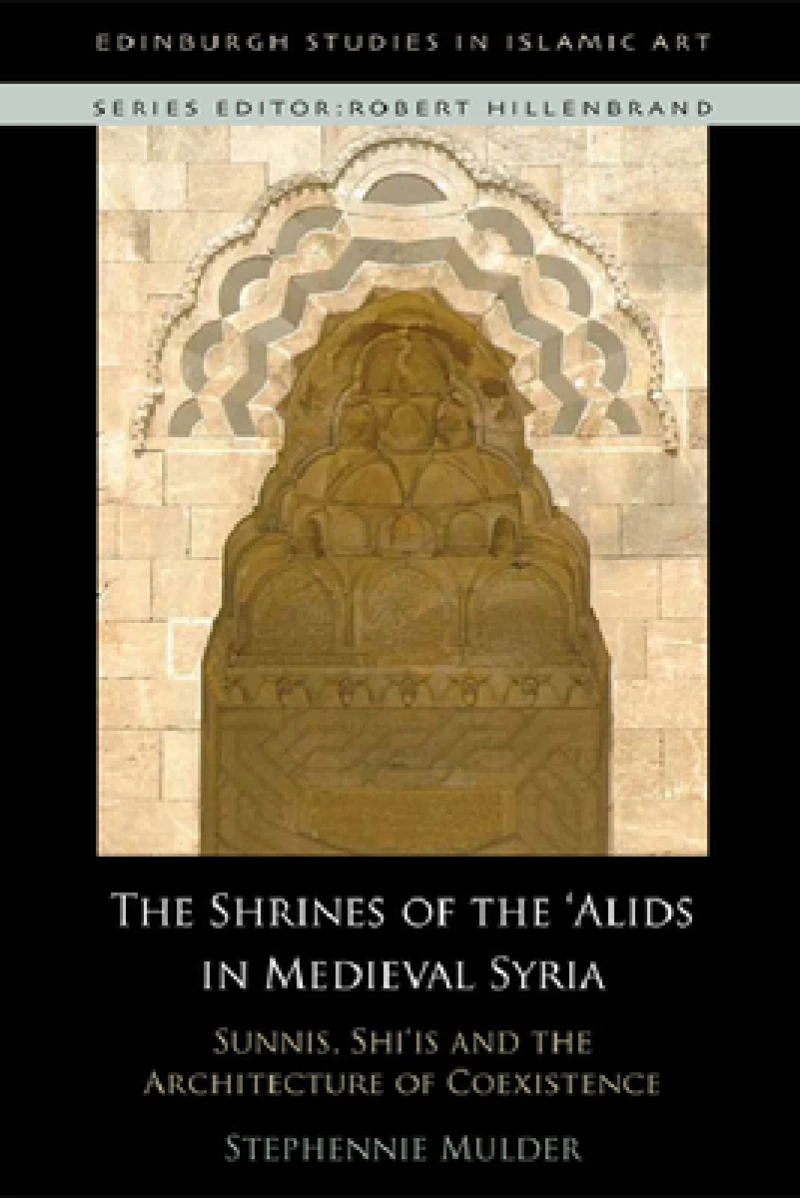
The Shrines of the 'Alids in Medieval Syria : Sunnis, Shi'is and the Architecture of Coexistence
Book Details
Format
Paperback / Softback
Book Series
Edinburgh Studies in Islamic Art
ISBN-10
1474446337
ISBN-13
9781474446334
Publisher
Edinburgh University Press
Imprint
Edinburgh University Press
Country of Manufacture
GB
Country of Publication
GB
Publication Date
Jan 31st, 2019
Print length
272 Pages
Weight
774 grams
Dimensions
17.20 x 24.30 x 1.50 cms
Product Classification:
Religious buildingsIslamic worship, rites & ceremonies
Ksh 7,900.00
Temporarily out of stock, due soon
0 in stock
Delivery Location
Delivery fee: Select location
Secure
Quality
Fast
The first illustrated, architectural history of the 'Alid shrines, increasingly endangered by the conflict in Syria
The first illustrated, architectural history of the ''Alid shrines, increasingly endangered by the conflict in Syria
The ''Alids (descendants of the Prophet Muhammad) are among the most revered figures in Islam, beloved by virtually all Muslims, regardless of sectarian affiliation. This study argues that despite the common identification of shrines as ''Shi''i'' spaces, they have in fact always been unique places of pragmatic intersectarian exchange and shared piety, even - and perhaps especially - during periods of sectarian conflict.
Using a rich variety of previously unexplored sources, including textual, archaeological, architectural, and epigraphic evidence, Stephennie Mulder shows how these shrines created a unifying Muslim ''holy land'' in medieval Syria, and proposes a fresh conceptual approach to thinking about landscape in Islamic art. In doing so, she argues against a common paradigm of medieval sectarian conflict, complicates the notion of Sunni Revival, and provides new evidence for the negotiated complexity of sectarian interactions in the period.
The ''Alids (descendants of the Prophet Muhammad) are among the most revered figures in Islam, beloved by virtually all Muslims, regardless of sectarian affiliation. This study argues that despite the common identification of shrines as ''Shi''i'' spaces, they have in fact always been unique places of pragmatic intersectarian exchange and shared piety, even - and perhaps especially - during periods of sectarian conflict.
Using a rich variety of previously unexplored sources, including textual, archaeological, architectural, and epigraphic evidence, Stephennie Mulder shows how these shrines created a unifying Muslim ''holy land'' in medieval Syria, and proposes a fresh conceptual approach to thinking about landscape in Islamic art. In doing so, she argues against a common paradigm of medieval sectarian conflict, complicates the notion of Sunni Revival, and provides new evidence for the negotiated complexity of sectarian interactions in the period.
Get The Shrines of the 'Alids in Medieval Syria by at the best price and quality guaranteed only at Werezi Africa's largest book ecommerce store. The book was published by Edinburgh University Press and it has pages.

