

The Smart Mission : NASA’s Lessons for Managing Knowledge, People, and Projects
Book Details
Format
Paperback / softback
ISBN-10
0262547279
ISBN-13
9780262547277
Publisher
MIT Press Ltd
Imprint
MIT Press
Country of Manufacture
GB
Country of Publication
GB
Publication Date
Oct 17th, 2023
Print length
176 Pages
Weight
264 grams
Dimensions
14.10 x 22.10 x 1.90 cms
KSh 3,800.00
Werezi Extended Catalogue
Delivery in 12 days
2 copies in stock
Delivery Location
Delivery fee: Select location
Delivery in 12 days
Secure
Quality
Fast
Why human skills and expertise, not technical tools, are what make projects succeed.
The project is the basic unit of work in many industries. Software applications, antiviral vaccines, launch-ready spacecraft: all were produced by a team and managed as a project. Project management emphasizes control, processes, and tools—but, according to The Smart Mission, that is not the right way to run a project. Human skills and expertise, not technical tools, are what make projects successful. Projects run on knowledge. This paradigm-shifting book—by three project management experts, all of whom have decades of experience at NASA and elsewhere—challenges the conventional wisdom on project management, focusing on the human dimension: learning, collaboration, teaming, communication, and culture.
The authors emphasize three themes: projects are fundamentally about how teams work and learn together to get things done; the local level—not an organization’s upper levels—is where the action happens; and projects don’t operate in a vacuum but exist within organizations that are responsible to stakeholders. Drawing on examples and case studies from NASA and other organizations, the authors identify three project models—micro, macro, and global—and their different knowledge needs. Successful organizations have a knowledge-based culture. Successful project management guides the interplay of knowledge, projects, and people.
The project is the basic unit of work in many industries. Software applications, antiviral vaccines, launch-ready spacecraft: all were produced by a team and managed as a project. Project management emphasizes control, processes, and tools—but, according to The Smart Mission, that is not the right way to run a project. Human skills and expertise, not technical tools, are what make projects successful. Projects run on knowledge. This paradigm-shifting book—by three project management experts, all of whom have decades of experience at NASA and elsewhere—challenges the conventional wisdom on project management, focusing on the human dimension: learning, collaboration, teaming, communication, and culture.
The authors emphasize three themes: projects are fundamentally about how teams work and learn together to get things done; the local level—not an organization’s upper levels—is where the action happens; and projects don’t operate in a vacuum but exist within organizations that are responsible to stakeholders. Drawing on examples and case studies from NASA and other organizations, the authors identify three project models—micro, macro, and global—and their different knowledge needs. Successful organizations have a knowledge-based culture. Successful project management guides the interplay of knowledge, projects, and people.
Get The Smart Mission by Edward J. Hoffman, Laurence Prusak at the best price and quality guaranteed only at Werezi Africa's largest book ecommerce store. The book was published by MIT Press Ltd and it has 176 pages.
Customers Who Bought This Also Bought

User Guides, Manuals, and Technical Writing
KSh 4,850.00
Meetings, Negotiations, and Socializing
KSh 4,850.00

Spanish Visual Dictionary
KSh 1,450.00

In Company 3.0 Elementary Level Teacher's Book Premium Plus Pack
KSh 11,150.00
Telephone and Helpdesk Skills
KSh 4,150.00

Communicating In Business
KSh 11,450.00

Market Leader 3rd Edition Pre-Intermediate Coursebook & DVD-Rom Pack
KSh 6,450.00

Market Leader ESP Book - Logistics Management
KSh 3,200.00

In Company 3.0 Pre-Intermediate Level Student's Book Pack
KSh 9,550.00
Presentations, Demos, and Training Sessions
KSh 2,800.00

Really British Guide To
KSh 2,550.00

English for Everyone Business English Course Book Level 2
KSh 2,500.00
More by Edward J. Hoffman, Laurence Prusak
Working Knowledge
KSh 3,250.00
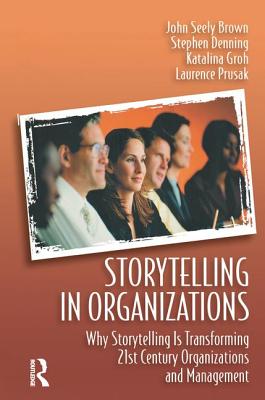
Storytelling in Organizations
KSh 33,100.00
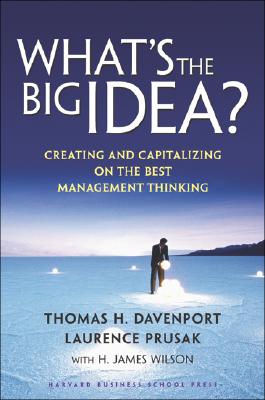
What's the Big Idea
KSh 5,400.00
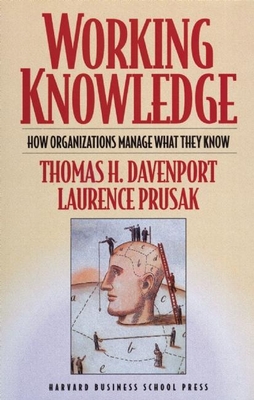
Working Knowledge
KSh 5,400.00

Speaking Out
KSh 4,300.00

Knowledge in Organisations
KSh 32,650.00
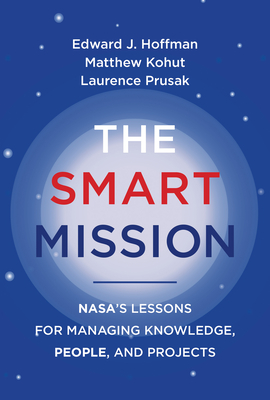
The Smart Mission
KSh 4,500.00

Knowledge in Organizations
KSh 8,800.00

Compelling People
KSh 2,350.00
Storytelling in Organizations
KSh 9,700.00
More in This Genre
User Guides, Manuals, and Technical Writing
KSh 4,850.00
Meetings, Negotiations, and Socializing
KSh 4,850.00
Spanish Visual Dictionary
KSh 1,450.00
In Company 3.0 Elementary Level Teacher's Book Premium Plus Pack
KSh 11,150.00
Telephone and Helpdesk Skills
KSh 4,150.00
Communicating In Business
KSh 11,450.00
