
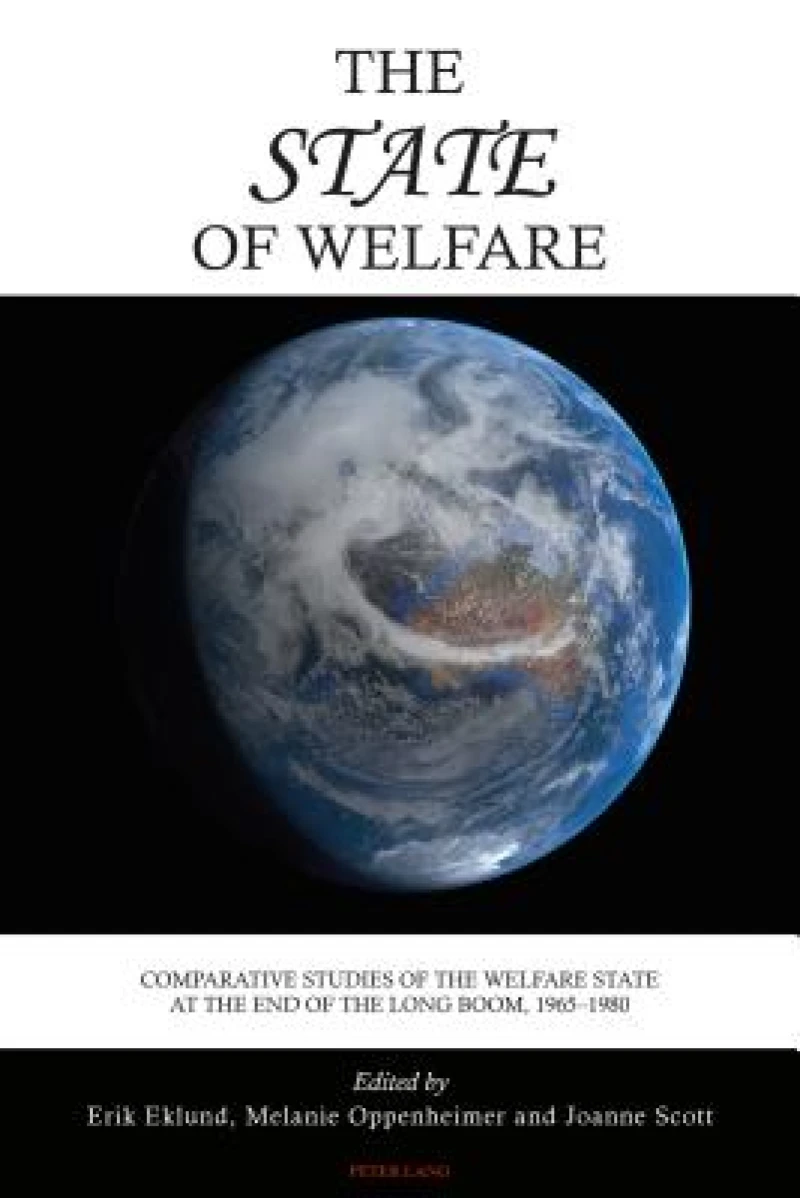
The State of Welfare : Comparative Studies of the Welfare State at the End of the Long Boom, 1965–1980
New
Book Details
Delivery Location
Delivery fee: Select location
The period after 1945 saw the rapid growth of social welfare in western democracies, but in the late 1960s the global economy began to falter, followed by the oil crisis of 1973–1974. This book explores the trajectories of welfare state change over this crucial period, bringing together a range of case studies at both country and provincial level.
The period after 1945 saw a rapid growth in social welfare, with the state taking on increasing responsibility for pensions, health care, unemployment relief and income support. In Western democracies economic growth underpinned state investment and was reinforced by demands from the new social movements of the 1960s. Just as the clamour for reformism reached a crescendo in the late 1960s, the global economy began to falter, culminating in the oil crisis of 1973–1974.
This volume explores the factors that shaped the trajectories of welfare state change over this crucial period. A close analysis of countries such as Australia, Canada, New Zealand and the United Kingdom reveals signs of a broader shift towards the decline of government spending and the first tentative moves towards a nascent neoliberalism. Other countries, such as Sweden and West Germany, remained comparatively untouched by the economic crisis and even sought to reinforce their welfare state in response to it. Ireland and Northern Ireland also showed little evidence of these changes, isolated as they were by complex political and religious factors. This book brings together a range of case studies at both country and provincial level in order to build up a more complex and nuanced picture of the welfare state in the 1960s and 1970s.
Get The State of Welfare by at the best price and quality guaranteed only at Werezi Africa's largest book ecommerce store. The book was published by Peter Lang Ltd and it has pages.

