
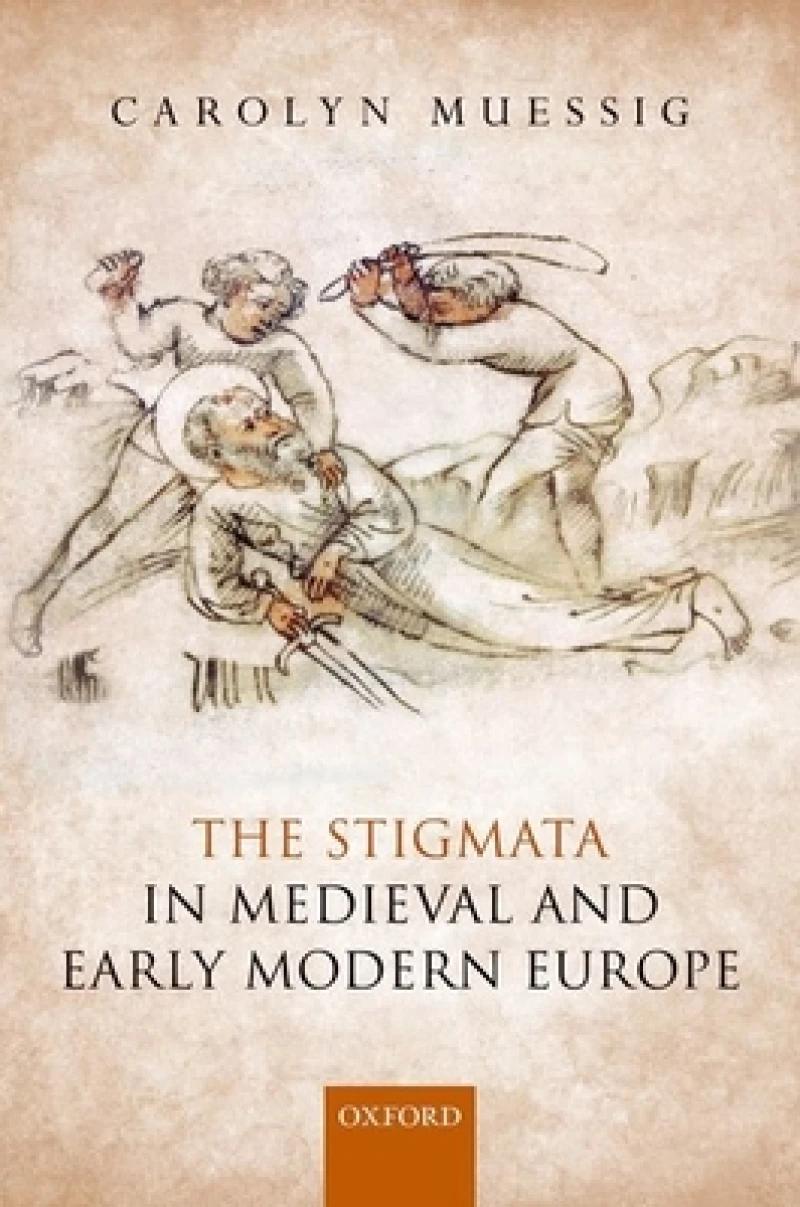
The Stigmata in Medieval and Early Modern Europe
Book Details
Format
Hardback or Cased Book
ISBN-10
0198795645
ISBN-13
9780198795643
Publisher
Oxford University Press
Imprint
Oxford University Press
Country of Manufacture
GB
Country of Publication
GB
Publication Date
Feb 6th, 2020
Print length
308 Pages
Weight
646 grams
Dimensions
16.40 x 24.20 x 2.40 cms
Product Classification:
Medieval historyChristian mysticismAnthropologyPsychology
Ksh 20,950.00
Werezi Extended Catalogue
0 in stock
Delivery Location
Delivery fee: Select location
Secure
Quality
Fast
This study traces the birth and evolution of religious stigmata and particularly of stigmatic theology, as understood through the ensemble of theological discussions and devotional practices.
Francis of Assisi''s reported reception of the stigmata on Mount La Verna in 1224 is often considered to be the first account of an individual receiving the five wounds of Christ. The thirteenth-century appearance of this miracle, however, is not as unexpected as it first seems. Interpretations of Galatians 6:17-I bear the stigmata of the Lord Jesus Christ in my body-had been circulating in biblical commentaries since late antiquity. These works explained stigmata as wounds that martyrs, like the apostle Paul, received in their attempt to spread Christianity in the face of resistance. By the seventh century, stigmata were described as marks of Christ that priests received invisibly at their ordination. In the eleventh century, monks and nuns were perceived as bearing the stigmata in so far as they lived a life of renunciation out of love for Christ. By the later Middle Ages, women (such as Catherine of Siena) were described as having stigmata more frequently than were men. With the religious upheavals of the sixteenth century, the way stigmata were defined reflected the diverse perceptions of Christianity held by Catholics and Protestants.
Get The Stigmata in Medieval and Early Modern Europe by at the best price and quality guaranteed only at Werezi Africa's largest book ecommerce store. The book was published by Oxford University Press and it has pages.

