
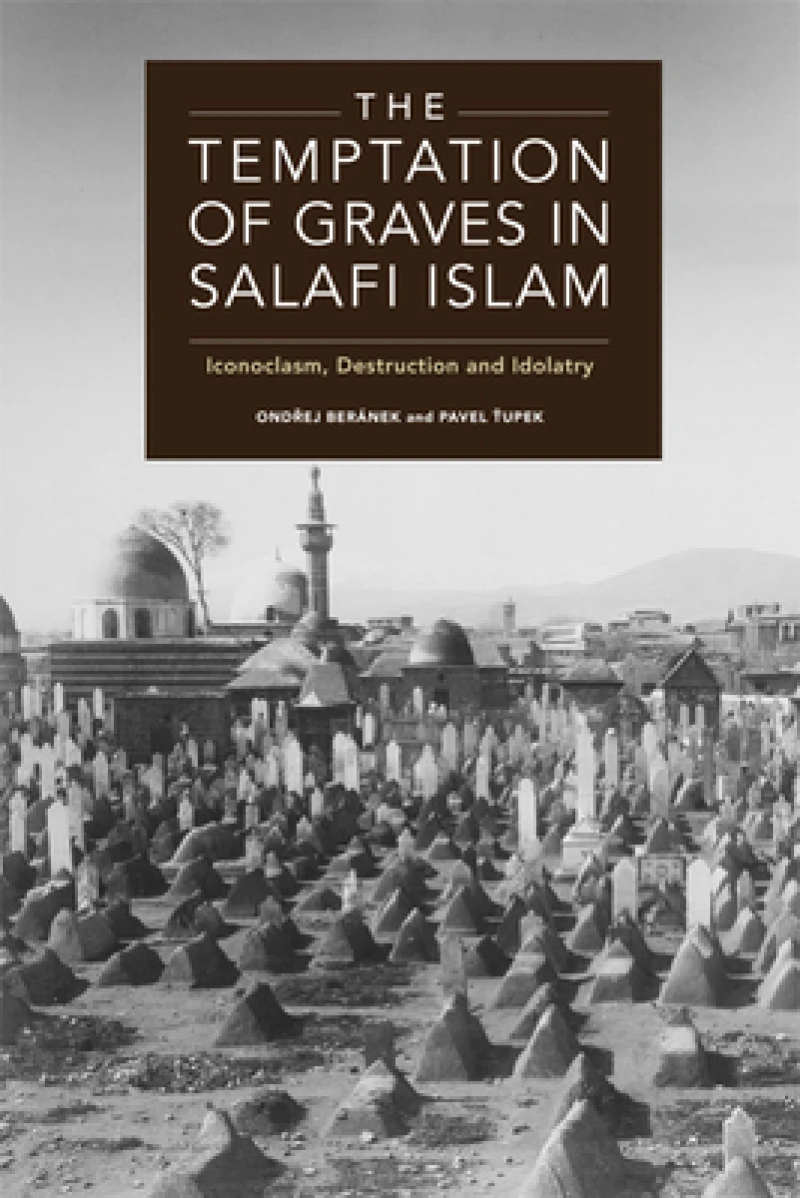
The Temptation of Graves in Salafi Islam : Iconoclasm, Destruction and Idolatry
Book Details
Format
Paperback / Softback
ISBN-10
1474452639
ISBN-13
9781474452632
Publisher
Edinburgh University Press
Imprint
Edinburgh University Press
Country of Manufacture
GB
Country of Publication
GB
Publication Date
Aug 31st, 2019
Print length
272 Pages
Product Classification:
Religious buildingsReligious intolerance, persecution & conflictIslam
Ksh 5,600.00
Werezi Extended Catalogue
0 in stock
Delivery Location
Delivery fee: Select location
Secure
Quality
Fast
This book explains the current destruction of graves in the Islamic world and traces the ideological sources of iconoclasm in their historical perspective, from medieval theological and legal debates to contemporary Islamist movements including ISIS.
In various parts of the Islamic world over the past decades virulent attacks have targeted Islamic funeral and sacral architecture. Rather than being random acts of vandalism, these are associated with the idea of performing one''s religious duty as attested to in the Salafi/Wahhabi tradition and texts. Graves, shrines and tombs are regarded by some Muslims as having the potential to tempt a believer to polytheism. Hence the duty to level the graves to the ground (taswiyat al-qubur).
In illuminating the ideology behind these acts, this book explains the current destruction of graves in the Islamic world and traces the ideological sources of iconoclasm in their historical perspective, from medieval theological and legal debates to contemporary Islamist movements including ISIS.
In illuminating the ideology behind these acts, this book explains the current destruction of graves in the Islamic world and traces the ideological sources of iconoclasm in their historical perspective, from medieval theological and legal debates to contemporary Islamist movements including ISIS.
Get The Temptation of Graves in Salafi Islam by at the best price and quality guaranteed only at Werezi Africa's largest book ecommerce store. The book was published by Edinburgh University Press and it has pages.

