
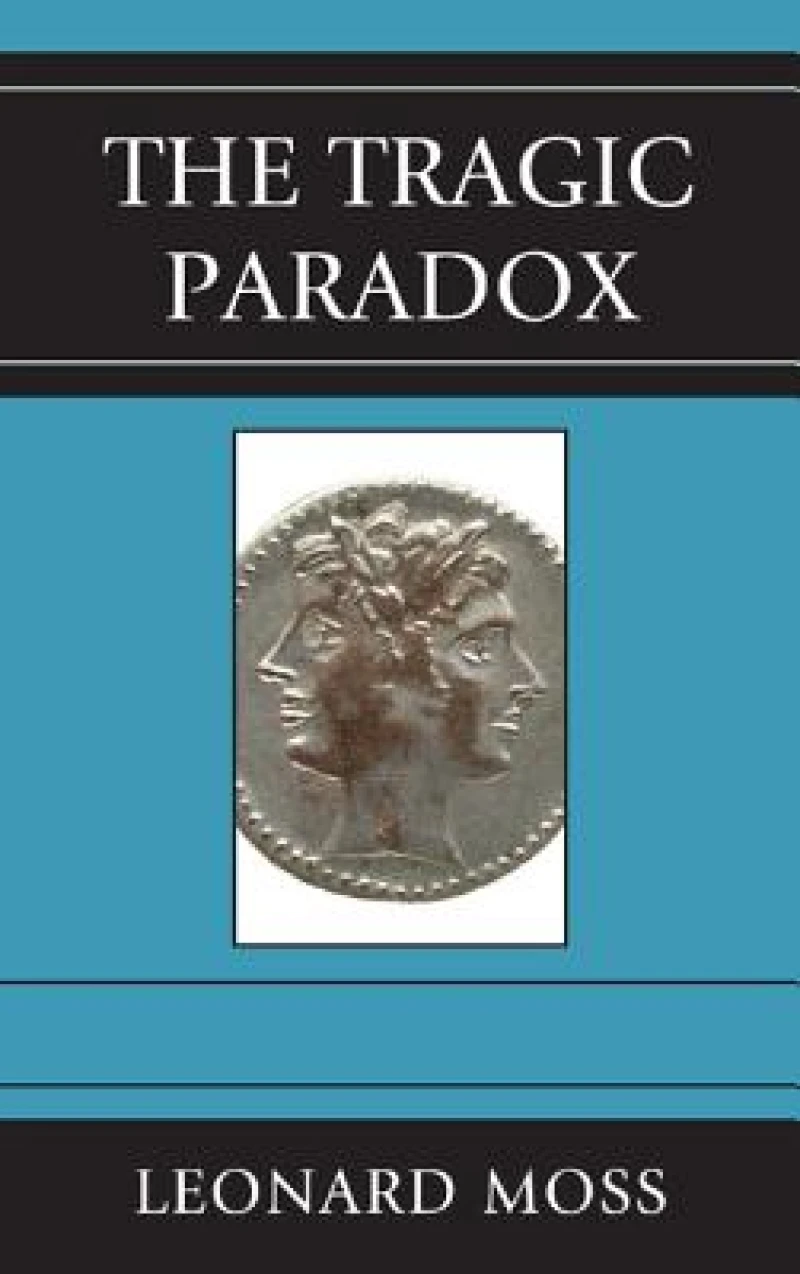
The Tragic Paradox
by
Leonard Moss
Book Details
Format
Hardback or Cased Book
ISBN-10
0739171216
ISBN-13
9780739171219
Publisher
Bloomsbury Publishing Plc
Imprint
Lexington Books
Country of Manufacture
GB
Country of Publication
GB
Publication Date
Apr 19th, 2012
Print length
262 Pages
Weight
549 grams
Dimensions
23.60 x 16.00 x 2.30 cms
Product Classification:
Literary studies: general
Ksh 21,300.00
Manufactured on Demand
0 in stock
Delivery Location
Delivery fee: Select location
Secure
Quality
Fast
Paradox informs the narrative sequence, images, and rhetorical tactics contrived by skilled dramatists and novelists. Their literary languages depict not only a war between rivals but also simultaneous affirmation and negation voiced by a tragic individual. They reveal the treason, flux, and duplicity brought into play by an unrelenting drive for respect. Their patterns of speech, action, and image project a convergence of polarities, the convergence of integrity and radical change, of constancy and infidelity. A fanatical drive to fulfill a traditional code of masculine conduct produces the ironic consequence of de-forming that code—the tragic paradox. Tragic literature exploits irony. In Athenian and Shakespearean tragedy, self-righteous male or female aristocrats instigate their own disgrace, shame, and guilt, an un-expected diminishment. They are victimized by a magnificent obsession, a fantasy of un-alloyed authority or virtue, a dream of perfect self-sufficiency or trust. The authors of tragedy revised the concept of “nobility” to reflect the strange fact that grandeur elicits its own annulment. “Strengths by strengths do fail,” Shakespeare wrote in Coriolanus. The playwrights made this paradoxical predicament concrete with a narrative format that equates self-assertion with self-detraction, images that revolve between incredible reversals and provisional reinstatements, and speech that sounds impressively weighty but masks deception, disloyalty, cynicism, and insecurity. Three heroic philosophers, Plato, Hegel, and Nietzsche, contributed invaluable but contrasting accounts of these literary languages (Aristotle's Poetics will be discussed in connection with Plato's attitude toward poetry). Their divergent descriptions can be reconciled to show that invalidations as well as affirmations—the transmission of contraries—are essential for tragic composition. An equivocal rhetoric, a mutable imagery, and an ironic progression convey the tortuous pursuit of personal preeminence or (in later tragic works by Kafka and Strindberg) family solidarity and communal safety. I am trying to integrate the disparate arguments offered by several notable theorists with technical procedures fashioned by the Athenian dramatists and recast by Shakespeare and other writers, procedures that articulate the tragic paradox.
Paradox informs the narrative sequence, images, and rhetorical tactics contrived by skilled dramatists and novelists. Their literary languages depict not only a war between rivals but also simultaneous affirmation and negation voiced by a tragic individual. They reveal the treason, flux, and duplicity brought into play by an unrelenting drive for respect. Their patterns of speech, action, and image project a convergence of polarities, the convergence of integrity and radical change, of constancy and infidelity. A fanatical drive to fulfill a traditional code of masculine conduct produces the ironic consequence of de-forming that code—the tragic paradox. Tragic literature exploits irony. In Athenian and Shakespearean tragedy, self-righteous male or female aristocrats instigate their own disgrace, shame, and guilt, an un-expected diminishment. They are victimized by a magnificent obsession, a fantasy of un-alloyed authority or virtue, a dream of perfect self-sufficiency or trust. The authors of tragedy revised the concept of “nobility” to reflect the strange fact that grandeur elicits its own annulment. “Strengths by strengths do fail,” Shakespeare wrote in Coriolanus.The playwrights made this paradoxical predicament concrete with a narrative format that equates self-assertion with self-detraction, images that revolve between incredible reversals and provisional reinstatements, and speech that sounds impressively weighty but masks deception, disloyalty, cynicism, and insecurity. Three heroic philosophers, Plato, Hegel, and Nietzsche, contributed invaluable but contrasting accounts of these literary languages (Aristotle''s Poetics will be discussed in connection with Plato''s attitude toward poetry). Their divergent descriptions can be reconciled to show that invalidations as well as affirmations—the transmission of contraries—are essential for tragic composition. An equivocal rhetoric, a mutable imagery, and an ironic progression convey the tortuous pursuit of personal preeminence or (in later tragic works by Kafka and Strindberg) family solidarity and communal safety. I am trying to integrate the disparate arguments offered by several notable theorists with technical procedures fashioned by the Athenian dramatists and recast by Shakespeare and other writers, procedures that articulate the tragic paradox.
Get The Tragic Paradox by at the best price and quality guaranteed only at Werezi Africa's largest book ecommerce store. The book was published by Bloomsbury Publishing Plc and it has pages.

