
Book Details
Format
Hardback or Cased Book
Book Series
Studies in Biblical Literature
ISBN-10
1433102269
ISBN-13
9781433102264
Edition
New
Publisher
Peter Lang Publishing Inc
Imprint
Peter Lang Publishing Inc
Country of Manufacture
US
Country of Publication
GB
Publication Date
Mar 31st, 2009
Print length
129 Pages
Weight
422 grams
Dimensions
15.90 x 23.60 x 1.40 cms
Product Classification:
Old TestamentsJudaismCriticism & exegesis of sacred textsFolklore, myths & legends
Ksh 12,800.00
Manufactured on Demand
0 in stock
Delivery Location
Delivery fee: Select location
Secure
Quality
Fast
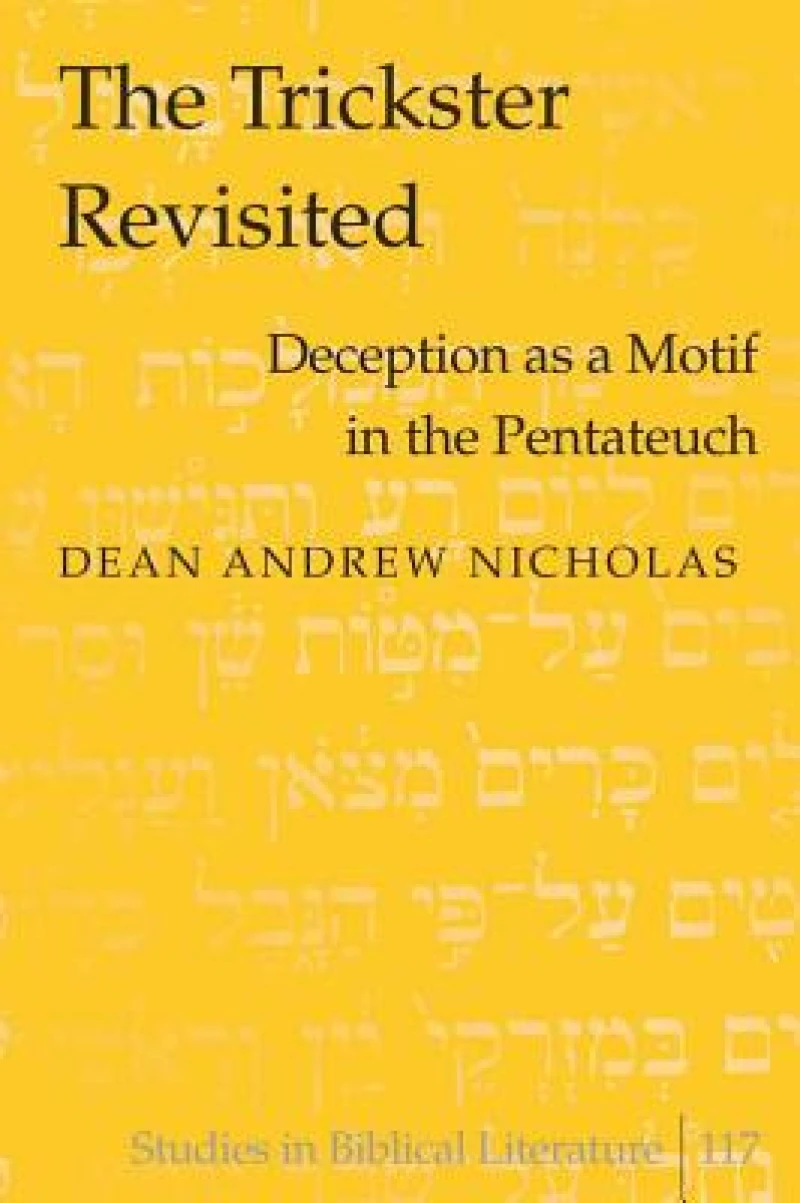
The Trickster Revisited: Deception as a Motif in the Pentateuch explores the use of deception in the Pentateuch and uncovers a new understanding of the trickster’s function in the Hebrew Bible. While traditional readings often «whitewash» the biblical characters, exonerating them of any wrongdoing, modern scholars often explain these tales as significant at some earlier point in Israelite tradition. But this study asks the question: what role does the trickster have in the later pentateuchal setting? Considering the work of Victor Turner and the mythic function of the trickster, The Trickster Revisited explores the connections between tricksters, the rite de passage pattern, marginalization, and liminality. Marginalized individuals and communities often find trickster tales significant, therefore trickster stories often follow a similar literary pattern. After tracing this pattern throughout the Pentateuch, specifically the patriarchal narratives and Moses’ interaction with Pharaoh in the Exodus, the book discusses the meaning these stories had for the canonizers of the Pentateuch. The author argues that in the Exile and post-exilic period, as the canon was forming, the trickster was the perfect manifestation of Israel’s self-perception. The cognitive dissonance of prophetic words of hope and grandeur, in light of a meager socio-economic and political reality, caused the nation to identify itself as the trickster. In this way, Israel could explain its lowly state as a temporary (but still significant) «betwixt and between», on the threshold of a rise in status, i.e. the great imminent kingdom predicted by the prophets.
The Trickster Revisited: Deception as a Motif in the Pentateuch explores the use of deception in the Pentateuch and uncovers a new understanding of the trickster’s function in the Hebrew Bible. While traditional readings often «whitewash» the biblical characters, exonerating them of any wrongdoing, modern scholars often explain these tales as significant at some earlier point in Israelite tradition. But this study asks the question: what role does the trickster have in the later pentateuchal setting? Considering the work of Victor Turner and the mythic function of the trickster, The Trickster Revisited explores the connections between tricksters, the rite de passage pattern, marginalization, and liminality. Marginalized individuals and communities often find trickster tales significant, therefore trickster stories often follow a similar literary pattern. After tracing this pattern throughout the Pentateuch, specifically the patriarchal narratives and Moses’ interaction with Pharaoh in the Exodus, the book discusses the meaning these stories had for the canonizers of the Pentateuch. The author argues that in the Exile and post-exilic period, as the canon was forming, the trickster was the perfect manifestation of Israel’s self-perception. The cognitive dissonance of prophetic words of hope and grandeur, in light of a meager socio-economic and political reality, caused the nation to identify itself as the trickster. In this way, Israel could explain its lowly state as a temporary (but still significant) «betwixt and between», on the threshold of a rise in status, i.e. the great imminent kingdom predicted by the prophets.
Get The Trickster Revisited by at the best price and quality guaranteed only at Werezi Africa's largest book ecommerce store. The book was published by Peter Lang Publishing Inc and it has pages.

