

The Unburied : The Social Lives of Corpses in Qing China
by
Joohee Suh
Book Details
Format
Hardback
ISBN-10
0295754915
ISBN-13
9780295754918
Publisher
University of Washington Press
Imprint
University of Washington Press
Country of Manufacture
GB
Country of Publication
GB
Publication Date
Oct 13th, 2026
Print length
232 Pages
Weight
440 grams
KSh 21,850.00
Not Yet Published
0 in stock
Delivery Location
Delivery fee: Select location
Secure
Quality
Fast
Even as Confucian orthodoxy condemned corpse exposure as ritual failure, ordinary people developed adaptive practices that wove the unburied into moral and social life. This study reframes death in early modern China not as a stable ritual sequence but as an extended, negotiated process.
When coffins lingered above ground, Qing China reimagined care, kinship, and the meaning of deathIn late imperial China, death did not always lead swiftly to burial. Across the Qing empire, coffins frequently remained in temple courtyards, storage houses, or shallow pits for months, years, even decades. These unburied bodies unsettled the social order: they were neither gone nor fully incorporated into ancestral lines, inhabiting a liminal space between presence and absence. The Unburied explores this unsettling phenomenon, showing how exposed remains shaped mortuary ethics and practices across families, communities, and the state. Drawing on government decrees, criminal cases, epitaphs, charitable records, and popular stories, Joohee Suh uncovers the unexpected social roles of the dead. Families crafted ornate epitaphs to sustain ties with kin whose coffins had no resting place; magistrates and officials confronted disputes over graves and desecration; Buddhist temples and philanthropic groups organized to shelter and inter abandoned bodies. Even as Confucian orthodoxy condemned corpse exposure as ritual failure, ordinary people developed adaptive practices that wove the unburied into moral and social life. This study reframes death in early modern China not as a stable ritual sequence but as an extended, negotiated process. By centering the precarious fates of the unburied, Suh illuminates how scarcity, migration, and filial obligation reshaped the relationship between living and dead. Original and deeply researched, The Unburied offers a powerful new history of mortality, ritual, and care in a society where the dead continued to dwell uncomfortably among the living.
Get The Unburied by Joohee Suh at the best price and quality guaranteed only at Werezi Africa's largest book ecommerce store. The book was published by University of Washington Press and it has 232 pages.
Customers Who Bought This Also Bought

From Third World to First
KSh 3,200.00

Breakneck
KSh 4,500.00

India After Gandhi
KSh 4,850.00

Anarchy
KSh 2,700.00

On China
KSh 3,400.00
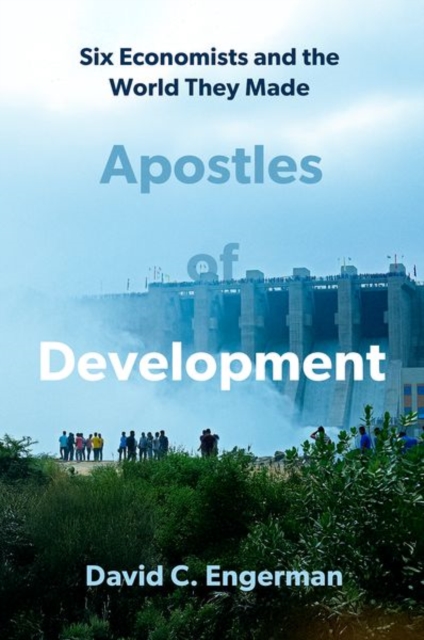
Apostles of Development
KSh 5,600.00
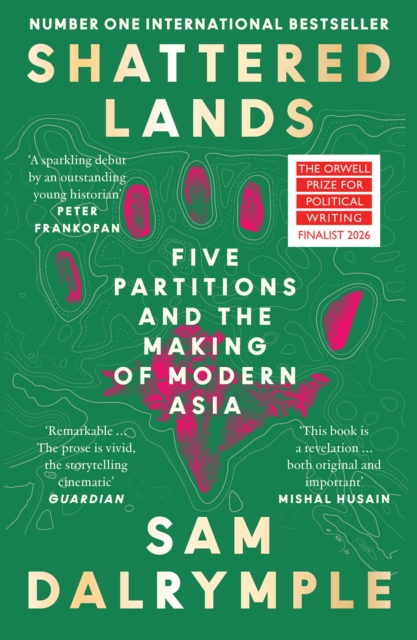
Shattered Lands
KSh 2,000.00
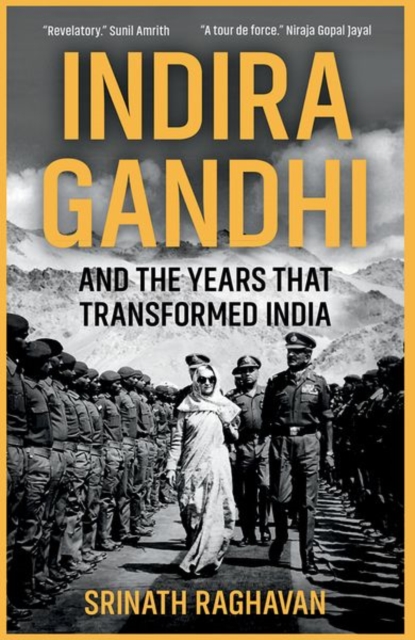
Indira Gandhi and the Years that Transformed India
KSh 5,050.00
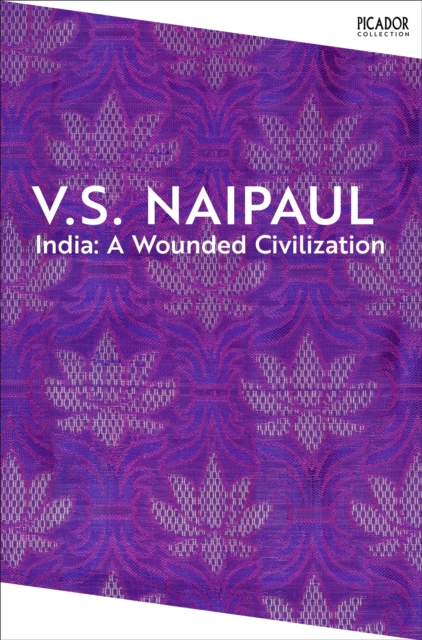
India: A Wounded Civilization
KSh 2,000.00
Shattered Lands
KSh 3,200.00

Games without Rules
KSh 2,900.00

Ghost Nation
KSh 3,950.00