
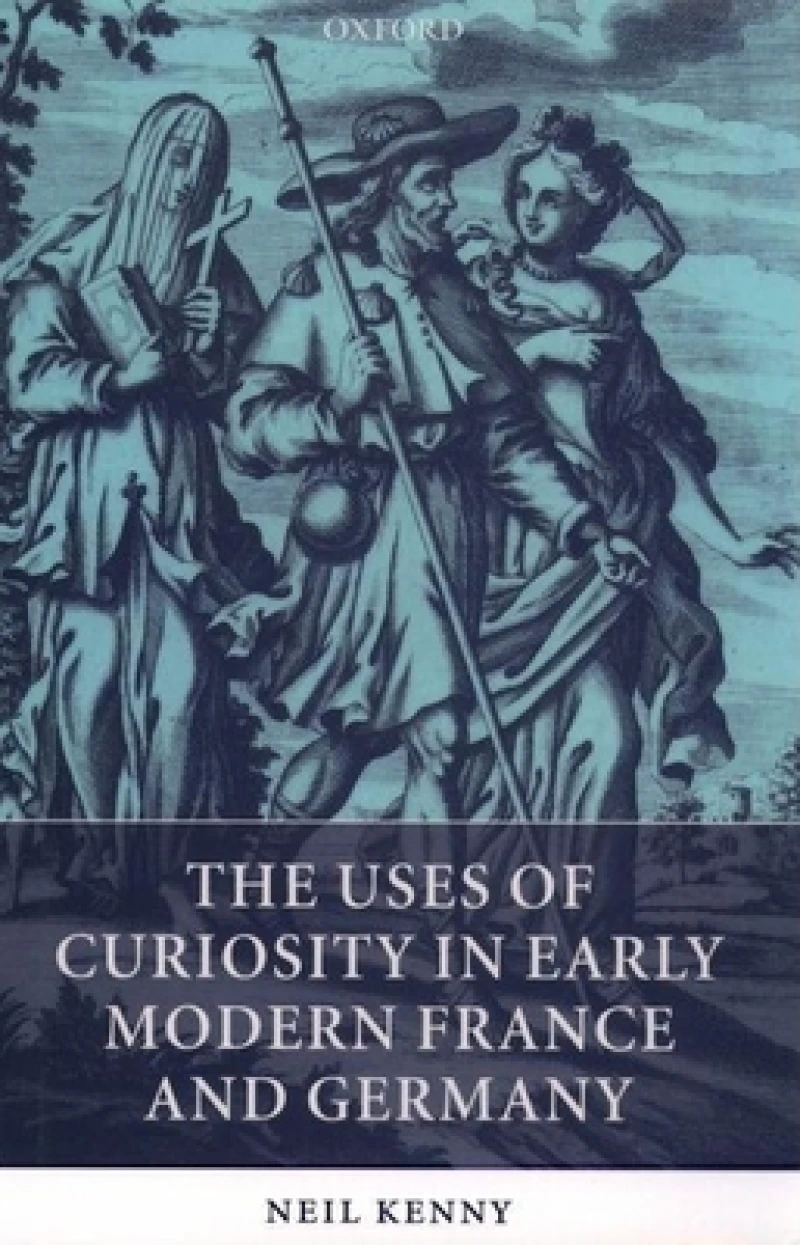
The Uses of Curiosity in Early Modern France and Germany
by
Neil Kenny
Book Details
Format
Hardback or Cased Book
ISBN-10
0199271364
ISBN-13
9780199271368
Publisher
Oxford University Press
Imprint
Oxford University Press
Country of Manufacture
GB
Country of Publication
GB
Publication Date
Jul 8th, 2004
Print length
500 Pages
Weight
683 grams
Dimensions
22.40 x 14.60 x 3.20 cms
Product Classification:
Literature: history & criticismEuropean historyEarly modern history: c 1450/1500 to c 1700
Ksh 19,050.00
Manufactured on Demand
0 in stock
Delivery Location
Delivery fee: Select location
Secure
Quality
Fast
Between the sixteenth and eighteenth centuries, institutions and writers discussed curiosity. This book investigates that obsession in a new way, developing a language-based approach that contributes to debates about the kinds of knowledge that we can have of the past.
Why did people argue about curiosity in France, Germany, and elsewhere in Europe between the sixteenth and the eighteenth centuries, so much more than today? Why was curiosity a fashionable topic in early modern conduct manuals, university dissertations, scientific treatises, sermons, newspapers, novellas, plays, operas, ballets, poems, from Corneille to Diderot, from Johann Valentin Andreae to Gottlieb Spizel? Universities, churches, and other institutions invoked curiosity in order to regulate knowledge or behaviour, to establish who should try to know or do what, and under what circumstances. As well as investigating a crucial episode in the history of knowledge, this study makes a distinctive contribution to historiographical debates about the nature of ''concepts''. Curiosity was constantly reshaped by the uses of it. And yet, strangely, however much people contested what curiosity was, they often agreed that what they were disagreeing about was one and the same thing.
Get The Uses of Curiosity in Early Modern France and Germany by at the best price and quality guaranteed only at Werezi Africa's largest book ecommerce store. The book was published by Oxford University Press and it has pages.

