
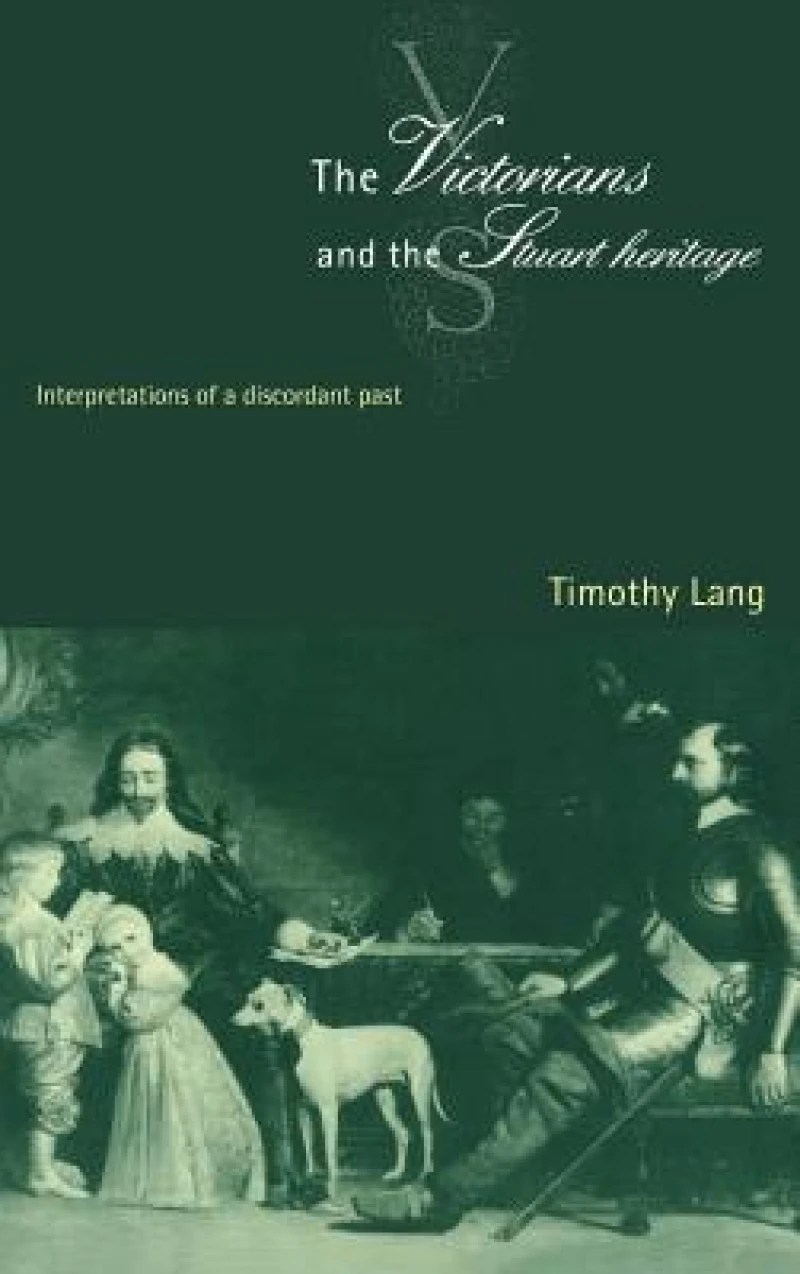
The Victorians and the Stuart Heritage : Interpretations of a Discordant Past
by
Timothy Lang
Book Details
Format
Hardback or Cased Book
ISBN-10
0521474647
ISBN-13
9780521474641
Publisher
Cambridge University Press
Imprint
Cambridge University Press
Country of Manufacture
GB
Country of Publication
GB
Publication Date
Apr 13th, 1995
Print length
248 Pages
Weight
520 grams
Dimensions
16.10 x 23.60 x 2.20 cms
Ksh 16,900.00
Manufactured on Demand
0 in stock
Delivery Location
Delivery fee: Select location
Secure
Quality
Fast
This 1995 book explores how a group of nineteenth-century British historians came to terms with one of the formative periods in their nation's past - the seventeenth century. Included are well-known figures such as Macaulay and Carlyle, who are of interest to literary scholars as well as to historians, and more specialized writers such as Henry Hallam and S. R. Gardiner.
This 1995 book explores what the Victorians said about the Stuart past, with particular emphasis on changing interpretations of Cromwell and the Puritans. It analyses in detail the historical writings of Henry Hallam, Thomas Babington Macaulay, Thomas Carlyle and Samuel Rawson Gardiner, placing them in a context that stresses the importance of religious controversy for the nineteenth century. The book argues that the Victorians found the Stuart past problematic because they perceived a connection between the religious disputes of the seventeenth century and the sectarian discord of their own age. Cromwell and the Puritans became an acceptable part of the national past only as the English state lost its Anglican exclusiveness. The tendency to accommodate Cromwell and the Puritans, particularly in the work of Gardiner, thus reflected a process of nation building that sought to remove sectarian divisions and which reached its climax as the Victorian age came to its close.
Get The Victorians and the Stuart Heritage by at the best price and quality guaranteed only at Werezi Africa's largest book ecommerce store. The book was published by Cambridge University Press and it has pages.

