
The Vienna Summit and Its Importance in International History
Book Details
Format
Paperback / Softback
Book Series
The Harvard Cold War Studies Book Series
ISBN-10
1498524869
ISBN-13
9781498524865
Publisher
Bloomsbury Publishing Plc
Imprint
Lexington Books
Country of Manufacture
GB
Country of Publication
GB
Publication Date
Aug 25th, 2016
Print length
540 Pages
Weight
798 grams
Dimensions
15.10 x 23.00 x 3.10 cms
Product Classification:
General & world historyEuropean history20th century history: c 1900 to c 2000
Ksh 13,300.00
Manufactured on Demand
0 in stock
Delivery Location
Delivery fee: Select location
Secure
Quality
Fast
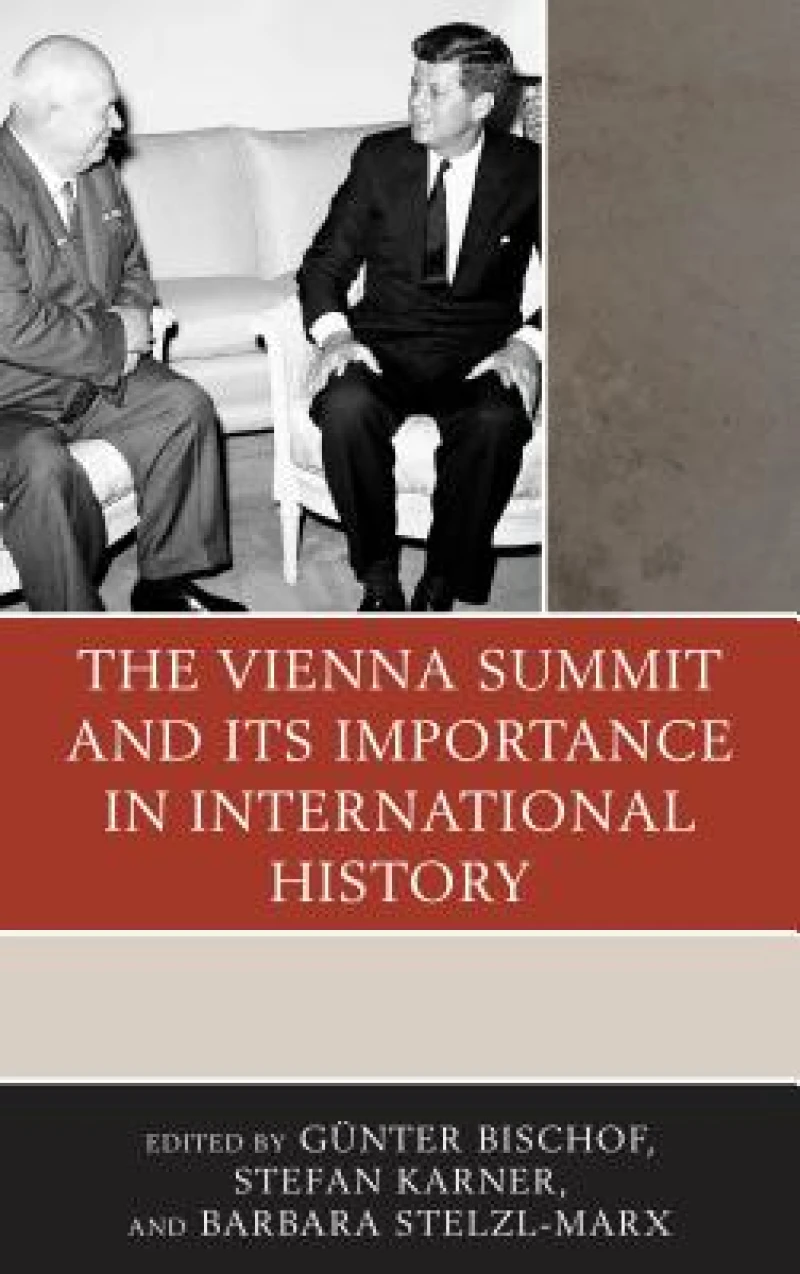
At the beginning of June 1961, the tensions of the Cold War were supposed to abate as both sides sought a resolution. The two most important men in the world, John F. Kennedy and Nikita Khrushchev, met for a summit in Vienna. Yet the high hopes were disappointed. Within months the Cold War had become very hot: Khrushchev built the Berlin Wall and a year later he sent missiles to Cuba to threaten the United States directly. Despite the fact that the Vienna Summit yielded barely any tangible results, it did lead to some very important developments. The superpowers came to see for the first time that there was only one way to escape from the atomic hell of their respective arsenals: dialogue. The "peace through fear" and the "hotline" between Washington and Moscow prevented an atomic confrontation. Austria successfully demonstrated its new role as neutral state and host when Vienna became a meeting place in the Cold War. In The Vienna Summit and Its Importance in International History international experts use new Russian and Western sources to analyze what really happened during this critical time and why the parties had a close shave with catastrophe.
At the beginning of June 1961, the tensions of the Cold War were supposed to abate as both sides sought a resolution. The two most important men in the world, John F. Kennedy and Nikita Khrushchev, met for a summit in Vienna. Yet the high hopes were disappointed. Within months the Cold War had become very hot: Khrushchev built the Berlin Wall and a year later he sent missiles to Cuba to threaten the United States directly. Despite the fact that the Vienna Summit yielded barely any tangible results, it did lead to some very important developments. The superpowers came to see for the first time that there was only one way to escape from the atomic hell of their respective arsenals: dialogue. The "peace through fear" and the "hotline" between Washington and Moscow prevented an atomic confrontation. Austria successfully demonstrated its new role as neutral state and host when Vienna became a meeting place in the Cold War. In The Vienna Summit and Its Importance in International History international experts use new Russian and Western sources to analyze what really happened during this critical time and why the parties had a close shave with catastrophe.
Get The Vienna Summit and Its Importance in International History by at the best price and quality guaranteed only at Werezi Africa's largest book ecommerce store. The book was published by Bloomsbury Publishing Plc and it has pages.

