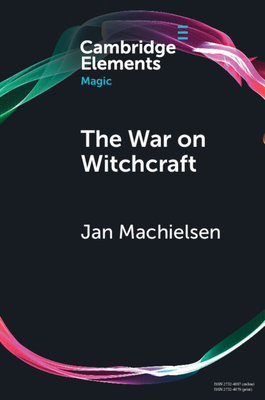
The War on Witchcraft : Andrew Dickson White, George Lincoln Burr, and the Origins of Witchcraft Historiography
Book Details
Format
Paperback / softback
Book Series
Elements in Magic
ISBN-10
110894874X
ISBN-13
9781108948746
Publisher
Cambridge University Press
Imprint
Cambridge University Press
Country of Manufacture
GB
Country of Publication
GB
Publication Date
Jul 22nd, 2021
Print length
70 Pages
Weight
120 grams
Dimensions
15.10 x 22.80 x 0.70 cms
KSh 3,250.00
Currently unavailable
0 in stock
Delivery Location
Delivery fee: Select location
Secure
Quality
Fast
How did nineteenth-century historians construct the popular understanding of witchcraft as representing the irrational past antithetical to the enlightened present? In particular the contributions by two American historians, Andrew Dickson White (1832–1918) and George Lincoln Burr (1857–1938).
Historians of the early modern witch-hunt often begin histories of their field with the theories propounded by Margaret Murray and Montague Summers in the 1920s. They overlook the lasting impact of nineteenth-century scholarship, in particular the contributions by two American historians, Andrew Dickson White (1832–1918) and George Lincoln Burr (1857–1938). Study of their work and scholarly personae contributes to our understanding of the deeply embedded popular understanding of the witch-hunt as representing an irrational past in opposition to an enlightened present. Yet the men''s relationship with each other, and with witchcraft sceptics – the heroes of their studies – also demonstrates how their writings were part of a larger war against ''unreason''. This Element thus lays bare the ways scholarly masculinity helped shape witchcraft historiography, a field of study often seen as dominated by feminist scholarship. Such meditation on past practice may foster reflection on contemporary models of history writing.
Get The War on Witchcraft by Jan Machielsen at the best price and quality guaranteed only at Werezi Africa's largest book ecommerce store. The book was published by Cambridge University Press and it has 70 pages.
Customers Who Bought This Also Bought
The Righteous Mind
KSh 6,300.00

The Perfection of Wisdom Tradition
KSh 11,900.00
The Problem of Pain
KSh 3,250.00
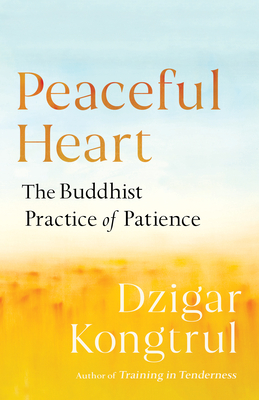
Peaceful Heart
KSh 2,900.00

Practicing Peace
KSh 2,350.00
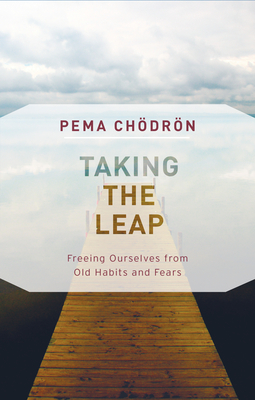
Taking the Leap
KSh 2,700.00

How We Live Is How We Die
KSh 3,600.00
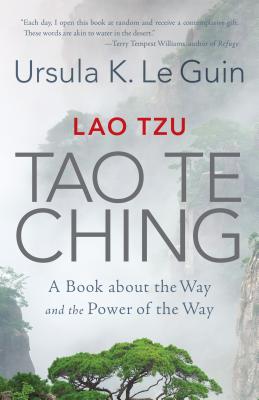
Lao Tzu: Tao Te Ching
KSh 2,900.00
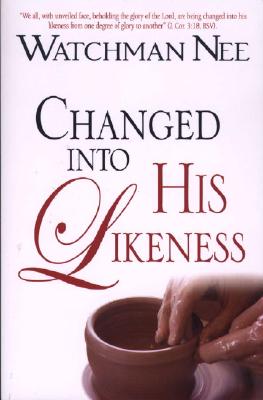
Changed into His Likeness
KSh 2,050.00

History of Magic, Witchcraft and the Occult
KSh 5,800.00
Ethics for the Coming Storm
KSh 4,250.00

Saudi Arabia in Transition
KSh 6,250.00