
Cart 0
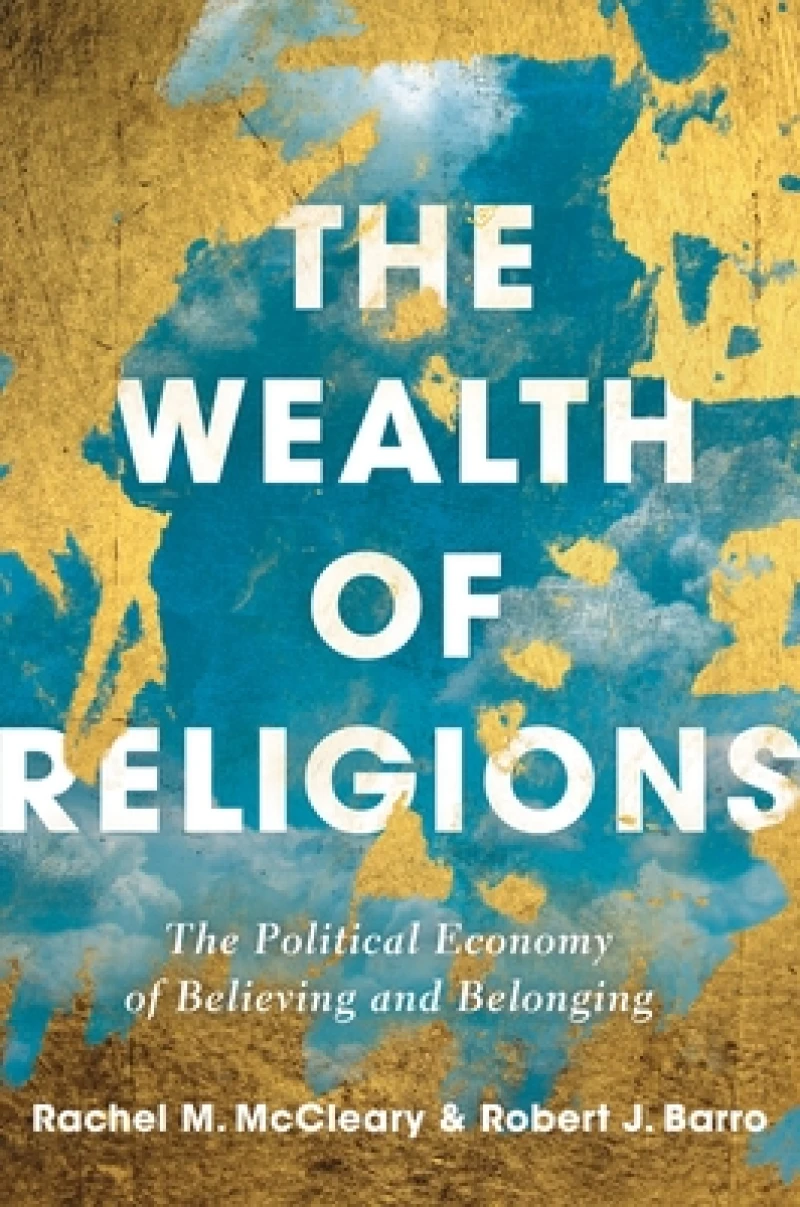
The Wealth of Religions
Click to zoom

Share this book

The Wealth of Religions : The Political Economy of Believing and Belonging

Book Details

Format Paperback / Softback
ISBN-10 0691217106
ISBN-13 9780691217109
Publisher Princeton University Press
Imprint Princeton University Press
Country of Manufacture US
Country of Publication GB
Publication Date Apr 6th, 2021
Print length 216 Pages
Weight 348 grams
Dimensions 15.40 x 23.30 x 1.70 cms
Product Classification: Religion & politicsPolitical economy
Ksh 3,600.00
Werezi Extended Catalogue Delivery in 14 days

Delivery Location

Delivery fee: Select location

Delivery in 14 days

Secure
Quality
Fast
How religious beliefs and practices can influence the wealth of nationsWhich countries grow faster economically—those with strong beliefs in heaven and hell or those with weak beliefs in them? Does religious participation matter? Why do some countries experience secularization while others are religiously vibrant? In The Wealth of Religions, Rachel McCleary and Robert Barro draw on their long record of pioneering research to examine these and many other aspects of the economics of religion. Places with firm beliefs in heaven and hell measured relative to the time spent in religious activities tend to be more productive and experience faster growth. Going further, there are two directions of causation: religiosity influences economic performance and economic development affects religiosity. Dimensions of economic development—such as urbanization, education, health, and fertility—matter too, interacting differently with religiosity. State regulation and subsidization of religion also play a role. The Wealth of Religions addresses the effects of religious beliefs on character traits such as work ethic, thrift, and honesty; the Protestant Reformation and its long-term effects on education and religious competition; Communism’s suppression of and competition with religion; the effects of Islamic laws and regulations on the functioning of markets and, hence, on the long-term development of Muslim countries; why some countries have state religions; analogies between religious groups and terrorist organizations; the violent origins of the Dalai Lama’s brand of Tibetan Buddhism; and the use by the Catholic Church of saint-making as a way to compete against the rise of Protestant Evangelicals. Timely and incisive, The Wealth of Religions provides fresh insights into the vital interplay between religion, markets, and economic development.

How religious beliefs and practices can influence the wealth of nations

Which countries grow faster economically—those with strong beliefs in heaven and hell or those with weak beliefs in them? Does religious participation matter? Why do some countries experience secularization while others are religiously vibrant? In The Wealth of Religions, Rachel McCleary and Robert Barro draw on their long record of pioneering research to examine these and many other aspects of the economics of religion. Places with firm beliefs in heaven and hell measured relative to the time spent in religious activities tend to be more productive and experience faster growth. Going further, there are two directions of causation: religiosity influences economic performance and economic development affects religiosity. Dimensions of economic development—such as urbanization, education, health, and fertility—matter too, interacting differently with religiosity. State regulation and subsidization of religion also play a role.

The Wealth of Religions addresses the effects of religious beliefs on character traits such as work ethic, thrift, and honesty; the Protestant Reformation and its long-term effects on education and religious competition; Communism’s suppression of and competition with religion; the effects of Islamic laws and regulations on the functioning of markets and, hence, on the long-term development of Muslim countries; why some countries have state religions; analogies between religious groups and terrorist organizations; the violent origins of the Dalai Lama’s brand of Tibetan Buddhism; and the use by the Catholic Church of saint-making as a way to compete against the rise of Protestant Evangelicals.

Timely and incisive, The Wealth of Religions provides fresh insights into the vital interplay between religion, markets, and economic development.


Get The Wealth of Religions by at the best price and quality guaranteed only at Werezi Africa's largest book ecommerce store. The book was published by Princeton University Press and it has pages.


Mind, Body, & Spirit

Price

Ksh 3,600.00

Shopping Cart

Africa largest book store

Sub Total:
Ebooks

Digital Library
Coming Soon

Our digital collection is currently being curated to ensure the best possible reading experience on Werezi. We'll be launching our Ebooks platform shortly.