
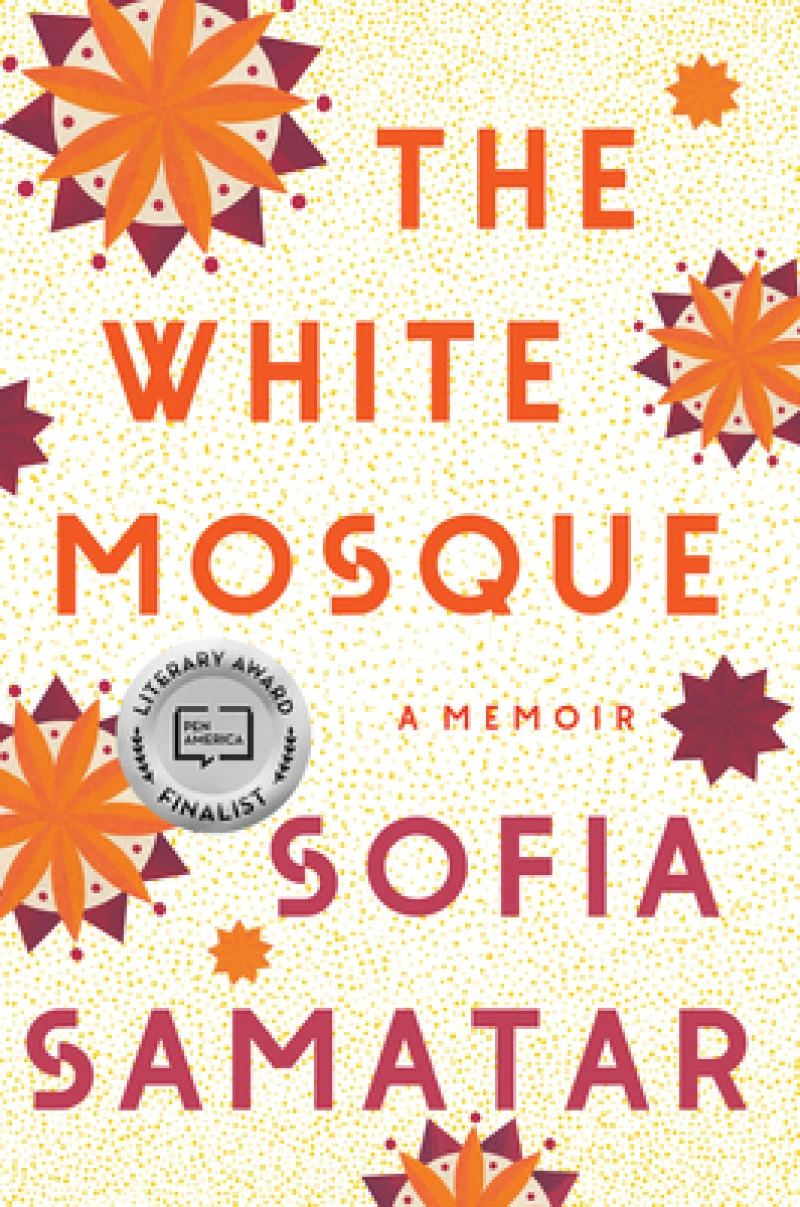
The White Mosque
Book Details
Format
Paperback / Softback
ISBN-10
1646222032
ISBN-13
9781646222032
Publisher
Random House Inc
Imprint
Catapult
Country of Manufacture
GB
Country of Publication
GB
Publication Date
Dec 5th, 2023
Print length
314 Pages
Weight
344 grams
Dimensions
14.10 x 21.10 x 2.50 cms
Product Classification:
Asian history
Ksh 3,250.00
Temporarily out of stock, due soon
0 in stock
Delivery Location
Delivery fee: Select location
Secure
Quality
Fast
Longlisted for the PEN/Jean Stein Book Award
A historical tapestry of border-crossing travelers, of students, wanderers, martyrs and invaders, The White Mosque is a memoiristic, prismatic record of a journey through Uzbekistan and of the strange shifts, encounters, and accidents that combine to create an identity
In the late nineteenth century, a group of German-speaking Mennonites traveled from Russia into Central Asia, where their charismatic leader predicted Christ would return.
Over a century later, Sofia Samatar joins a tour following their path, fascinated not by the hardships of their journey, but by its aftermath: the establishment of a small Christian village in the Muslim Khanate of Khiva. Named Ak Metchet, ?The White Mosque,? after the Mennonites' whitewashed church, the village lasted for fifty years.
In pursuit of this curious history, Samatar discovers a variety of characters whose lives intersect around the ancient Silk Road, from a fifteenth-century astronomer-king, to an intrepid Swiss woman traveler of the 1930s, to the first Uzbek photographer, and explores such topics as Central Asian cinema, Mennonite martyrs, and Samatar's own complex upbringing as the daughter of a Swiss-Mennonite and a Somali-Muslim, raised as a Mennonite of color in America.
A secular pilgrimage to a lost village and a near-forgotten history, The White Mosque traces the porous and ever-expanding borders of identity, asking: How do we enter the stories of others? And how, out of the tissue of life, with its weird incidents, buried archives, and startling connections, does a person construct a self?
A historical tapestry of border-crossing travelers, of students, wanderers, martyrs and invaders, The White Mosque is a memoiristic, prismatic record of a journey through Uzbekistan and of the strange shifts, encounters, and accidents that combine to create an identity
In the late nineteenth century, a group of German-speaking Mennonites traveled from Russia into Central Asia, where their charismatic leader predicted Christ would return.
Over a century later, Sofia Samatar joins a tour following their path, fascinated not by the hardships of their journey, but by its aftermath: the establishment of a small Christian village in the Muslim Khanate of Khiva. Named Ak Metchet, ?The White Mosque,? after the Mennonites' whitewashed church, the village lasted for fifty years.
In pursuit of this curious history, Samatar discovers a variety of characters whose lives intersect around the ancient Silk Road, from a fifteenth-century astronomer-king, to an intrepid Swiss woman traveler of the 1930s, to the first Uzbek photographer, and explores such topics as Central Asian cinema, Mennonite martyrs, and Samatar's own complex upbringing as the daughter of a Swiss-Mennonite and a Somali-Muslim, raised as a Mennonite of color in America.
A secular pilgrimage to a lost village and a near-forgotten history, The White Mosque traces the porous and ever-expanding borders of identity, asking: How do we enter the stories of others? And how, out of the tissue of life, with its weird incidents, buried archives, and startling connections, does a person construct a self?
Longlisted for the PEN/Jean Stein Book Award
A historical tapestry of border-crossing travelers, of students, wanderers, martyrs and invaders, The White Mosque is a memoiristic, prismatic record of a journey through Uzbekistan and of the strange shifts, encounters, and accidents that combine to create an identity
In the late nineteenth century, a group of German-speaking Mennonites traveled from Russia into Central Asia, where their charismatic leader predicted Christ would return.
Over a century later, Sofia Samatar joins a tour following their path, fascinated not by the hardships of their journey, but by its aftermath: the establishment of a small Christian village in the Muslim Khanate of Khiva. Named Ak Metchet, The White Mosque, after the Mennonites whitewashed church, the village lasted for fifty years.
In pursuit of this curious history, Samatar discovers a variety of characters whose lives intersect around the ancient Silk Road, from a fifteenth-century astronomer-king, to an intrepid Swiss woman traveler of the 1930s, to the first Uzbek photographer, and explores such topics as Central Asian cinema, Mennonite martyrs, and Samatars own complex upbringing as the daughter of a Swiss-Mennonite and a Somali-Muslim, raised as a Mennonite of color in America.
A secular pilgrimage to a lost village and a near-forgotten history, The White Mosque traces the porous and ever-expanding borders of identity, asking: How do we enter the stories of others? And how, out of the tissue of life, with its weird incidents, buried archives, and startling connections, does a person construct a self?
A historical tapestry of border-crossing travelers, of students, wanderers, martyrs and invaders, The White Mosque is a memoiristic, prismatic record of a journey through Uzbekistan and of the strange shifts, encounters, and accidents that combine to create an identity
In the late nineteenth century, a group of German-speaking Mennonites traveled from Russia into Central Asia, where their charismatic leader predicted Christ would return.
Over a century later, Sofia Samatar joins a tour following their path, fascinated not by the hardships of their journey, but by its aftermath: the establishment of a small Christian village in the Muslim Khanate of Khiva. Named Ak Metchet, The White Mosque, after the Mennonites whitewashed church, the village lasted for fifty years.
In pursuit of this curious history, Samatar discovers a variety of characters whose lives intersect around the ancient Silk Road, from a fifteenth-century astronomer-king, to an intrepid Swiss woman traveler of the 1930s, to the first Uzbek photographer, and explores such topics as Central Asian cinema, Mennonite martyrs, and Samatars own complex upbringing as the daughter of a Swiss-Mennonite and a Somali-Muslim, raised as a Mennonite of color in America.
A secular pilgrimage to a lost village and a near-forgotten history, The White Mosque traces the porous and ever-expanding borders of identity, asking: How do we enter the stories of others? And how, out of the tissue of life, with its weird incidents, buried archives, and startling connections, does a person construct a self?
Get The White Mosque by at the best price and quality guaranteed only at Werezi Africa's largest book ecommerce store. The book was published by Random House Inc and it has pages.

