

The Worker : Dominion and Form
by
Ernst Jünger
Book Details
Format
Paperback / softback
ISBN-10
0810136171
ISBN-13
9780810136175
Publisher
Northwestern University Press
Imprint
Northwestern University Press
Country of Manufacture
US
Country of Publication
GB
Publication Date
Nov 15th, 2017
Print length
216 Pages
Weight
308 grams
Dimensions
15.40 x 22.80 x 1.60 cms
KSh 5,200.00
Currently unavailable
0 in stock
Delivery Location
Delivery fee: Select location
Secure
Quality
Fast
Written in 1932, just before the fall of the Weimar Republic and on the eve of the Nazi accession to power, Ernst Jünger's The Worker: Dominion and Form articulates a trenchant critique of bourgeois liberalism and seeks to identify the form characteristic of the modern age. Jünger's analyses are inspired by a profound intuition of the movement of history.
Written in 1932, just before the fall of the Weimar Republic and on the eve of the Nazi accession to power, Ernst Jünger’s The Worker: Dominion and Form articulates a trenchant critique of bourgeois liberalism and seeks to identify the form characteristic of the modern age. Jünger’s analyses, written in critical dialogue with Marx, are inspired by a profound intuition of the movement of history and an insightful interpretation of Nietzsche’s philosophy.
Martin Heidegger considered Jünger “the only genuine follower of Nietzsche,” singularly providing “an interpretation which took shape in the domain of that metaphysics which already determines our epoch, even against our knowledge; this metaphysics is Nietzsche''s doctrine of the ‘will to power.’” In The Worker, Jünger examines some of the defining questions of that epoch: the nature of individuality, society, and the state; morality, justice, and law; and the relationships between freedom and power and between technology and nature.
This work, appearing in its entirety in English translation for the first time, is an important contribution to debates on work, technology, and politics by one of the most controversial German intellectuals of the twentieth century. Not merely of historical interest, The Worker carries a vital message for contemporary debates about world economy, political stability, and equality in our own age, one marked by unsettling parallels to the 1930s.
Martin Heidegger considered Jünger “the only genuine follower of Nietzsche,” singularly providing “an interpretation which took shape in the domain of that metaphysics which already determines our epoch, even against our knowledge; this metaphysics is Nietzsche''s doctrine of the ‘will to power.’” In The Worker, Jünger examines some of the defining questions of that epoch: the nature of individuality, society, and the state; morality, justice, and law; and the relationships between freedom and power and between technology and nature.
This work, appearing in its entirety in English translation for the first time, is an important contribution to debates on work, technology, and politics by one of the most controversial German intellectuals of the twentieth century. Not merely of historical interest, The Worker carries a vital message for contemporary debates about world economy, political stability, and equality in our own age, one marked by unsettling parallels to the 1930s.
Get The Worker by Ernst Jünger at the best price and quality guaranteed only at Werezi Africa's largest book ecommerce store. The book was published by Northwestern University Press and it has 216 pages.
Customers Who Bought This Also Bought

End of History and the Last Man
KSh 2,700.00

12 Rules for Life
KSh 2,350.00
The 48 Laws of Power
KSh 4,700.00

Second Treatise of Government – Norton Library
KSh 1,600.00
Discipline and Punish
KSh 2,350.00
The Prince The Original Classic
KSh 2,150.00
How to Be a Leader – An Ancient Guide to Wise Leadership
KSh 2,800.00

The Origin of Others
KSh 3,600.00
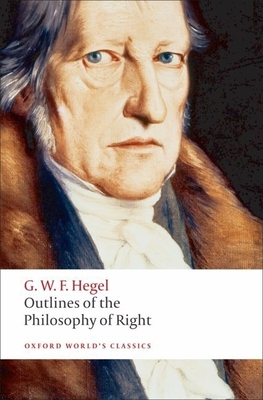
Outlines of the Philosophy of Right
KSh 2,500.00
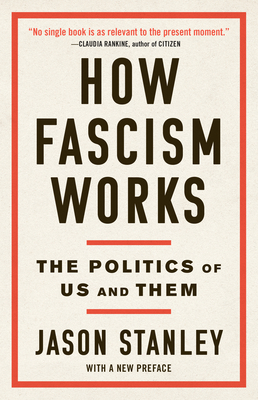
How Fascism Works
KSh 2,900.00
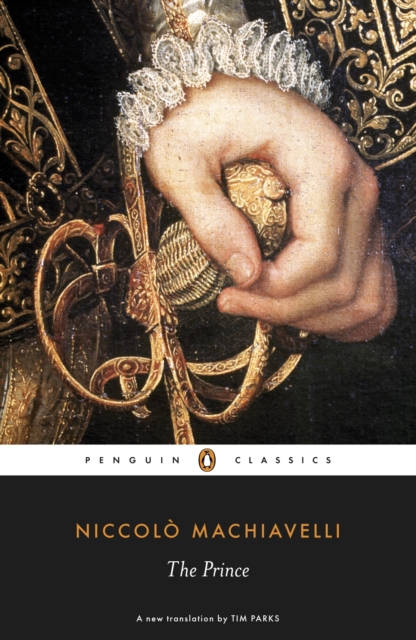
The Prince
KSh 1,800.00

Who''s Afraid of Gender?
KSh 2,350.00
More by Ernst Jünger
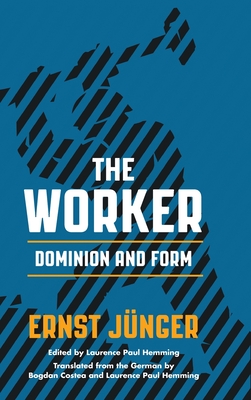
The Worker
KSh 17,300.00

The Glass Bees
KSh 3,050.00
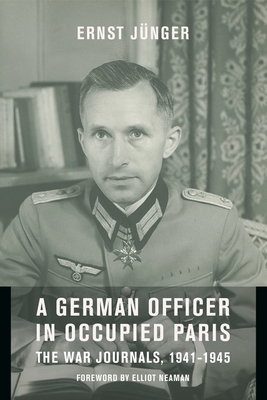
A German Officer in Occupied Paris – The War Journals, 1941–1945
KSh 5,050.00
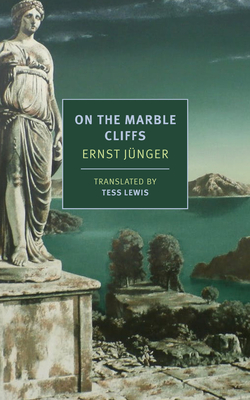
On the Marble Cliffs
KSh 2,700.00

Modern Classics Storm of Steele
KSh 2,000.00
Correspondence 1949-1975
KSh 7,000.00
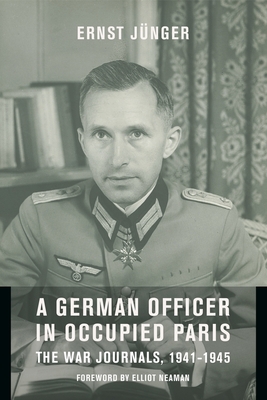
A German Officer in Occupied Paris – The War Journals, 1941–1945
KSh 19,600.00
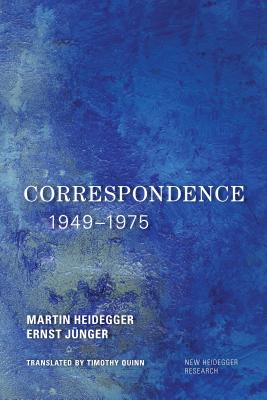
Correspondence 1949-1975
KSh 18,100.00
