
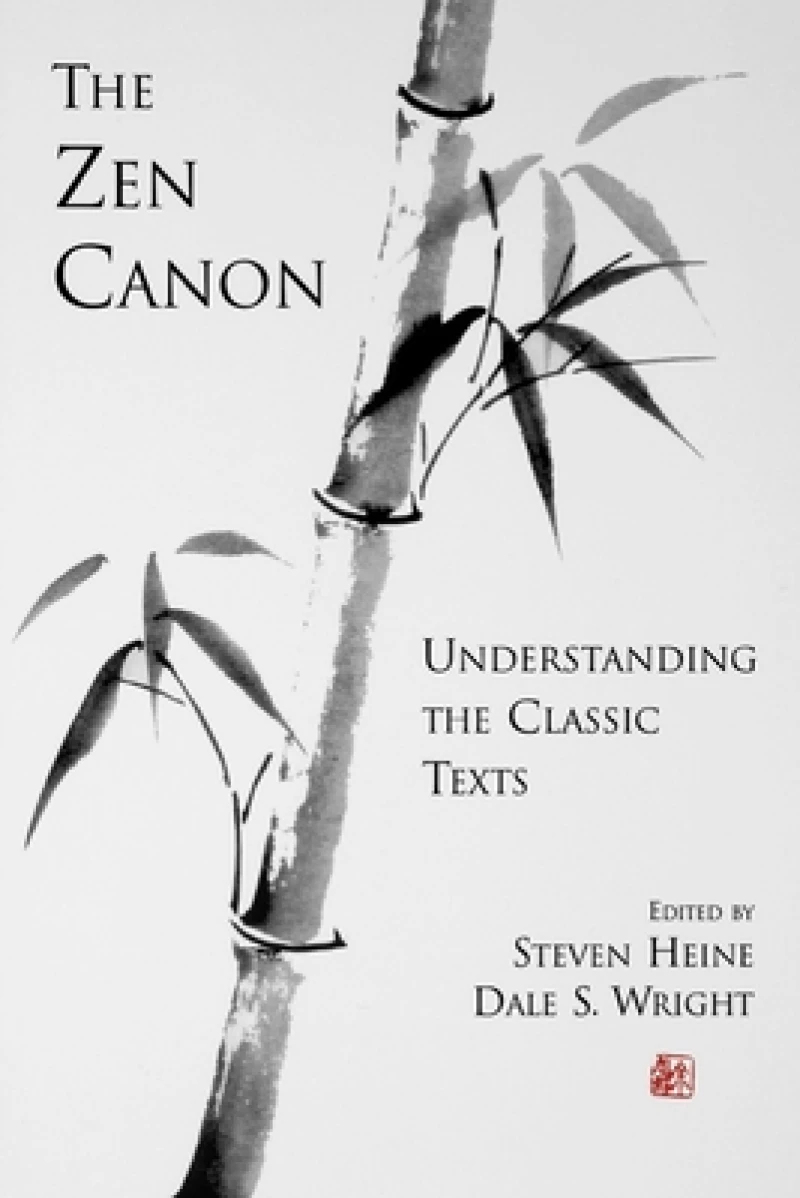
The Zen Canon : Understanding the Classic Texts
Book Details
Format
Paperback / Softback
ISBN-10
0195150686
ISBN-13
9780195150681
Publisher
Oxford University Press Inc
Imprint
Oxford University Press Inc
Country of Manufacture
GB
Country of Publication
GB
Publication Date
Apr 8th, 2004
Print length
336 Pages
Weight
528 grams
Dimensions
15.30 x 22.60 x 1.30 cms
Product Classification:
Religion: generalZen Buddhism
Ksh 10,550.00
Manufactured on Demand
0 in stock
Delivery Location
Delivery fee: Select location
Secure
Quality
Fast
Bodhidharma, its first patriarch, reputedly said that Zen Buddhism represents "a special transmission outside the teaching/Without reliance on words and letters." This saying, along with the often perplexing use of language (and silence) by Zen masters, gave rise to the notion that Zen is a "lived religion," based strictly on non-linguistic practice and lacking a substantial canon of sacred texts. Even those who recognize the importance of Zen texts commonly limit their focus to a few select texts without recognizing the wide variety of Zen literature. This collection of previously unpublished essays argues that Zen actually has a rich and varied literary heritage. Among the most significant textual genres are hagiographic accounts and recorded sayings of individual Zen masters, koan collections and commentaries, and rules for monastic life. During times of political turmoil in China and Japan, these texts were crucial to the survival and success of Zen, and they have for centuries been valued by practitioners as vital expressions of the truth of Zen. This volume offers learned yet accessible studies of some of the most important classical Zen texts, including some that have received little scholarly attention (and many of which are accessible only to specialists). Each essay provides historical, literary, and philosophical commentary on a particular text or genre. Together, they offer a critique of the "de facto canon" that has been created by the limited approach of Western scholarship, and demonstrate that literature is a diverse and essential part of Zen Buddhism.
Bodhidharma, its first patriarch, reputedly said that Zen Buddhism represents "a special transmission outside the teaching/Without reliance on words and letters." This saying, along with the often perplexing use of language (and silence) by Zen masters, gave rise to the notion that Zen is a "lived religion," based strictly on non-linguistic practice and lacking a substantial canon of sacred texts. Even those who recognize the importance of Zen texts commonly limit their focus to a few select texts without recognizing the wide variety of Zen literature. This collection of previously unpublished essays argues that Zen actually has a rich and varied literary heritage. Among the most significant textual genres are hagiographic accounts and recorded sayings of individual Zen masters, koan collections and commentaries, and rules for monastic life. During times of political turmoil in China and Japan, these texts were crucial to the survival and success of Zen, and they have for centuries been valued by practitioners as vital expressions of the truth of Zen. This volume offers learned yet accessible studies of some of the most important classical Zen texts, including some that have received little scholarly attention (and many of which are accessible only to specialists). Each essay provides historical, literary, and philosophical commentary on a particular text or genre. Together, they offer a critique of the "de facto canon" that has been created by the limited approach of Western scholarship, and demonstrate that literature is a diverse and essential part of Zen Buddhism.
Get The Zen Canon by at the best price and quality guaranteed only at Werezi Africa's largest book ecommerce store. The book was published by Oxford University Press Inc and it has pages.

