

Thicker Than Water : Blood, Affinity, and Hegemony in Early Modern Drama
Book Details
Format
Hardback
ISBN-10
0817321489
ISBN-13
9780817321482
Publisher
The University of Alabama Press
Imprint
The University of Alabama Press
Country of Manufacture
GB
Country of Publication
GB
Publication Date
Apr 17th, 2023
Print length
288 Pages
Weight
272 grams
KSh 15,850.00
Temporarily out of stock, due soon
0 in stock
Delivery Location
Delivery fee: Select location
Secure
Quality
Fast
‘Blood is thicker than water’, goes the old proverb. But do common bloodlines in fact demand special duties or prescribe affections? Thicker than Water examines the roots of this belief by studying the omnipresent discourse of bloodlines and kindred relations in the literature of early modern Europe.
Examines the discourses around the role of bloodlines and kinship in the social hierarchies of early modern Europe
“Blood is thicker than water,” goes the old proverb. But do common bloodlines in fact demand special duties or prescribe affections? Thicker than Water examines the roots of this belief by studying the omnipresent discourse of bloodlines and kindred relations in the literature of early modern Europe.
Early modern discourses concerning kinship promoted the idea that similar bloodlines dictated greater love or affinity, stabilizing the boundaries of families and social classes, as well as the categories of ethnicity and race. Literary representations of romantic relationships were instrumental in such conceptions, and Lauren Weindling examines how drama from England, France, and Italy tests these assumptions about blood and love, exposing their underlying political function. Among the key texts that Weindling studies are Shakespeare’s Romeo and Juliet¸ Othello, and The Merchant of Venice, Pierre Corneille’s Le Cid, Giambattista della Porta’s La Sorella and its English analog, Thomas Middleton’s No Wit/Help Like a Woman’s, John Ford’s ’Tis Pity She’s a Whore, and Machiavelli’s La Mandragola.
Each of these plays offers an extreme limit case for early modern notions of belonging and exclusion, through plots of love, courtship, and marriage, including blood feuds and incest. Moreover, they feature the voices of marginalized groups, unprivileged by these metrics and ideologies, and thus offer significant counterpoints to this bloody worldview.
While most critical studies of blood onstage pertain to matters of guilt or violence, Thicker Than Water examines the work that blood does unseen in arbitrating social and emotional connections between persons, and thus underwriting our deepest forms of social organization.
“Blood is thicker than water,” goes the old proverb. But do common bloodlines in fact demand special duties or prescribe affections? Thicker than Water examines the roots of this belief by studying the omnipresent discourse of bloodlines and kindred relations in the literature of early modern Europe.
Early modern discourses concerning kinship promoted the idea that similar bloodlines dictated greater love or affinity, stabilizing the boundaries of families and social classes, as well as the categories of ethnicity and race. Literary representations of romantic relationships were instrumental in such conceptions, and Lauren Weindling examines how drama from England, France, and Italy tests these assumptions about blood and love, exposing their underlying political function. Among the key texts that Weindling studies are Shakespeare’s Romeo and Juliet¸ Othello, and The Merchant of Venice, Pierre Corneille’s Le Cid, Giambattista della Porta’s La Sorella and its English analog, Thomas Middleton’s No Wit/Help Like a Woman’s, John Ford’s ’Tis Pity She’s a Whore, and Machiavelli’s La Mandragola.
Each of these plays offers an extreme limit case for early modern notions of belonging and exclusion, through plots of love, courtship, and marriage, including blood feuds and incest. Moreover, they feature the voices of marginalized groups, unprivileged by these metrics and ideologies, and thus offer significant counterpoints to this bloody worldview.
While most critical studies of blood onstage pertain to matters of guilt or violence, Thicker Than Water examines the work that blood does unseen in arbitrating social and emotional connections between persons, and thus underwriting our deepest forms of social organization.
Get Thicker Than Water by Lauren Weindling at the best price and quality guaranteed only at Werezi Africa's largest book ecommerce store. The book was published by The University of Alabama Press and it has 288 pages.
Customers Who Bought This Also Bought
The Odyssey
KSh 1,800.00
The Odyssey
KSh 1,600.00
The Divine Comedy
KSh 2,350.00
Annals
KSh 2,350.00
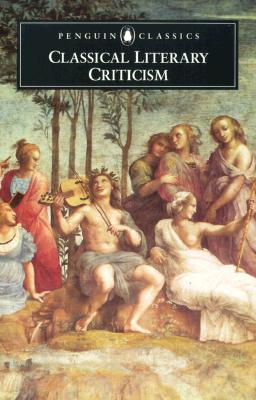
Classical Literary Criticism
KSh 2,350.00
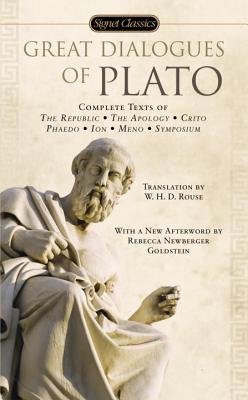
Great Dialogues of Plato
KSh 1,450.00
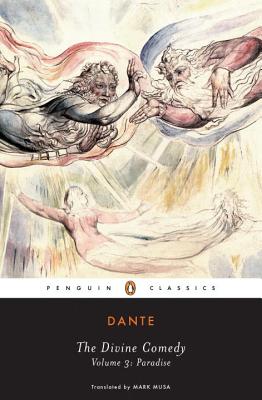
The Divine Comedy
KSh 2,700.00
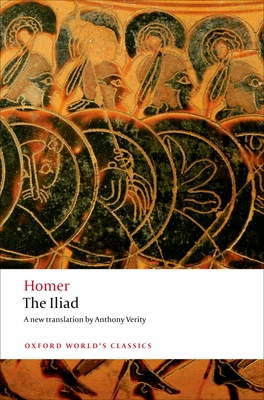
The Iliad
KSh 1,800.00

The Masnavi, Book Six
KSh 2,000.00

The Masnavi, Book Five
KSh 1,800.00
Chaucer's Pardoner and Gender Theory
KSh 8,100.00
Classical Literary Criticism
KSh 1,800.00

