

Thinking About Tears : Crying and Weeping in Long-Eighteenth-Century France
by
Marco Menin
Book Details
Format
Hardback
Book Series
Emotions in History
ISBN-10
0192864270
ISBN-13
9780192864277
Publisher
Oxford University Press
Imprint
Oxford University Press
Country of Manufacture
GB
Country of Publication
GB
Publication Date
Aug 25th, 2022
Print length
336 Pages
Weight
656 grams
Dimensions
24.00 x 16.10 x 2.40 cms
KSh 20,950.00
Currently unavailable
0 in stock
Delivery Location
Delivery fee: Select location
Secure
Quality
Fast
A crucial period for the birth of modernity, France's 'long eighteenth century' (c. 1650-1820) was an era marked by the formulation of a new aesthetic and ethical code revolving around the intensification of emotions and the hyperbolic use of weeping. IThinking About Tears reveals another side to a period often called 'the age of reason'.
A crucial period for the birth of the modern subject, France''s ''long eighteenth century'' (approximately 1650-1820) was an era marked by the formulation of a new aesthetic and ethical code revolving around the intensification of emotions and the hyperbolic use of weeping. Precisely because tears are not a simple biological fact but rather hang suspended between natural immediacy, on one side, and cultural artifice, on the other, the analysis of crying came to represent an exemplary testing ground for investigations into the enigmatic relations binding the realm of physiology to that of psychology. Thinking About Tears explores how the link between tears and sensibility in France''s long eighteenth century helps shed light on the process through which the European emotional lexicon has been built: from viewing tears as governed by the sphere of ''passions'' and ''feelings'', thinkers began to view crying as first a matter of sensibility and then of sensiblerie (a pathological excess of sensibility), thereby presupposing an intimate connection with the category of ''sentiments''. For this reason, this volume examines not only or even primarily the actual emotion of crying, but also the attempt to think about and explain this feeling. Drawing on a wide range of early modern philosophical, medical, religious, and literary texts-including moral treatises on the passions, medical textbooks, letters, life-writings, novels, and stage-plays-Thinking About Tears reveals another side to a period that has too often been saddled with the cursory label of ''the age of reason''.
Get Thinking About Tears by Marco Menin at the best price and quality guaranteed only at Werezi Africa's largest book ecommerce store. The book was published by Oxford University Press and it has 336 pages.
Customers Who Bought This Also Bought

Age of Revolutions
KSh 2,350.00
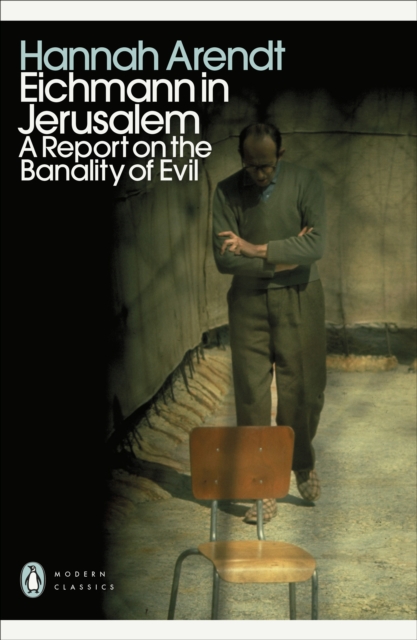
Eichmann in Jerusalem
KSh 2,350.00

Trouble With Being Born
KSh 2,000.00

Hiroshima
KSh 2,000.00
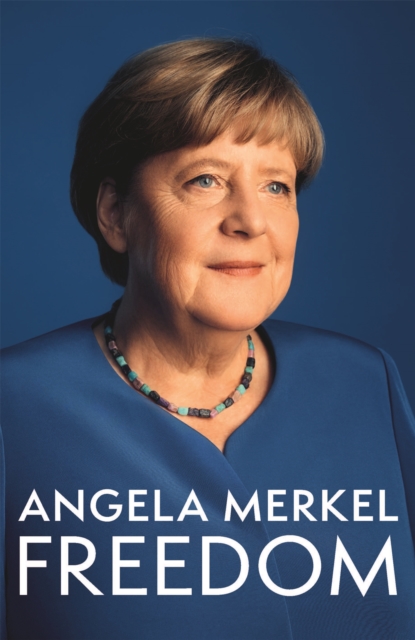
Freedom
KSh 6,300.00
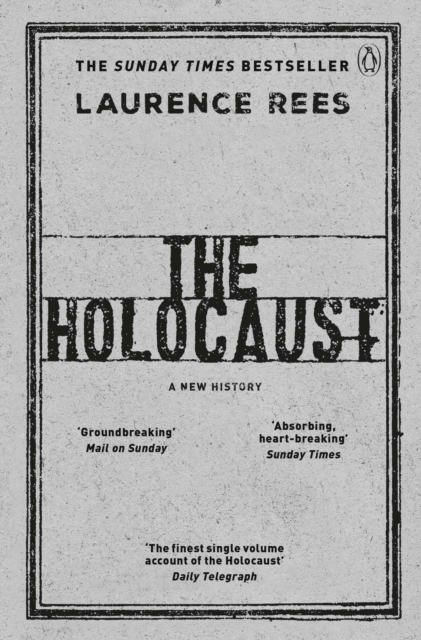
Holocaust
KSh 2,700.00
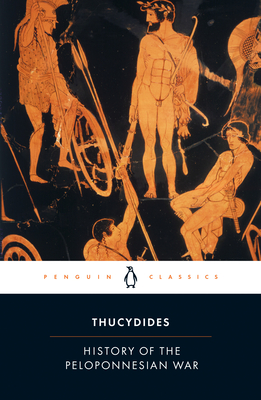
The History of the Peloponnesian War
KSh 2,700.00
Annals
KSh 2,350.00
Greek Lives
KSh 2,150.00
Sleepwalkers
KSh 3,400.00

Napoleon The Great
KSh 3,600.00
Diary of a Young Girl
KSh 1,800.00
