
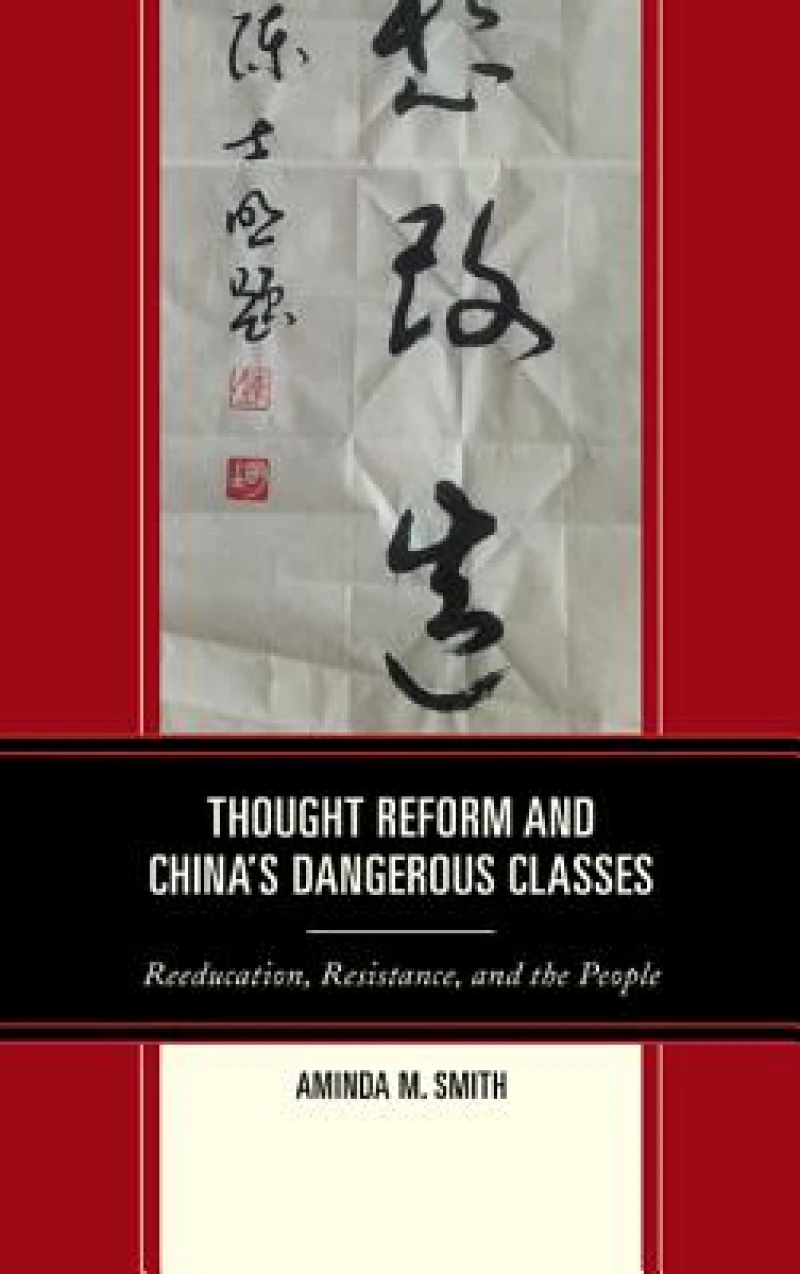
Thought Reform and China's Dangerous Classes : Reeducation, Resistance, and the People
Book Details
Format
Hardback or Cased Book
Book Series
Asia/Pacific/Perspectives
ISBN-10
1442218371
ISBN-13
9781442218376
Publisher
Bloomsbury Publishing Plc
Imprint
Rowman & Littlefield Publishers
Country of Manufacture
GB
Country of Publication
GB
Publication Date
Dec 13th, 2012
Print length
268 Pages
Weight
476 grams
Dimensions
23.20 x 15.90 x 2.20 cms
Product Classification:
Asian historySocial & cultural historyCultural studiesMarxism & Communism
Ksh 21,150.00
Manufactured on Demand
0 in stock
Delivery Location
Delivery fee: Select location
Secure
Quality
Fast
Thought reform is arguably China’s most controversial social policy. If reeducation’s critics and defenders agree on little else, they share the conviction that ideological remolding is inseparable from its Mao-era roots. This is the first major English-language study to explore one of the most important aspects of those origins, the essential relationship between thought reform and the “dangerous classes”—the prostitutes, beggars, petty criminals, and other “lumpenproletarians” that Communists saw as a threat to society and the revolution. Through formerly unavailable classified documents, as well as diaries, oral histories, and memoirs, Aminda Smith takes readers inside the early-PRC reformatories where the new state endeavored to transform socially marginalized “vagrants” into socially integrated members of the laboring masses. As sites where “the people” were literally created, these centers became testing grounds for rapidly changing discourses about the praxis of thought reform as well as the subjects it aimed to produce. Her book explores reformatories as institutions dedicated to molding new socialist citizens and as symbolic spaces through which internees, cadres, and the ordinary masses made sense of what it meant to be a member of the people in the People’s Republic of China. She offers convincing new answers to much-debated questions about the nature of the crucial decade of the 1950s, especially with respect to the development and future of PRC political culture.
Thought reform is arguably China’s most controversial social policy. If reeducation’s critics and defenders agree on little else, they share the conviction that ideological remolding is inseparable from its Mao-era roots. This is the first major English-language study to explore one of the most important aspects of those origins, the essential relationship between thought reform and the “dangerous classes”—the prostitutes, beggars, petty criminals, and other “lumpenproletarians” that Communists saw as a threat to society and the revolution. Through formerly unavailable classified documents, as well as diaries, oral histories, and memoirs, Aminda Smith takes readers inside the early-PRC reformatories where the new state endeavored to transform socially marginalized “vagrants” into socially integrated members of the laboring masses. As sites where “the people” were literally created, these centers became testing grounds for rapidly changing discourses about the praxis of thought reform as well as the subjects it aimed to produce. Her book explores reformatories as institutions dedicated to molding new socialist citizens and as symbolic spaces through which internees, cadres, and the ordinary masses made sense of what it meant to be a member of the people in the People’s Republic of China. She offers convincing new answers to much-debated questions about the nature of the crucial decade of the 1950s, especially with respect to the development and future of PRC political culture.
Get Thought Reform and China's Dangerous Classes by at the best price and quality guaranteed only at Werezi Africa's largest book ecommerce store. The book was published by Bloomsbury Publishing Plc and it has pages.

