
Book Details
Format
Paperback / Softback
ISBN-10
3039119435
ISBN-13
9783039119431
Edition
New
Publisher
Verlag Peter Lang
Imprint
Verlag Peter Lang
Country of Manufacture
CH
Country of Publication
GB
Publication Date
Nov 5th, 2009
Print length
280 Pages
Weight
574 grams
Dimensions
17.10 x 23.90 x 1.80 cms
Ksh 10,650.00
Manufactured on Demand
0 in stock
Delivery Location
Delivery fee: Select location
Secure
Quality
Fast
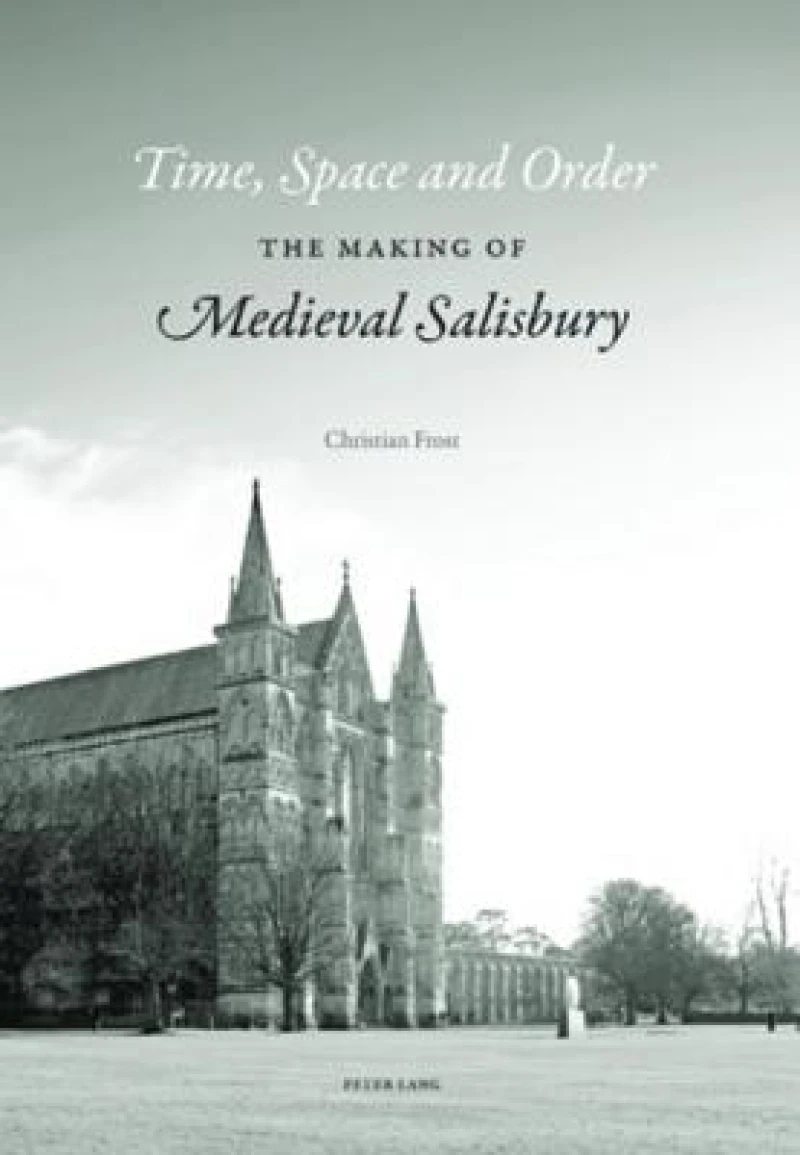
The city of Salisbury was built together with the cathedral in the early part of the thirteenth century, shortly after the Fourth Lateran Council in Rome and the signing of Magna Carta in England. This book describes how the bishop and his chapter took advantage of this extraordinary opportunity.
The author argues that the political turmoil which affected the development of Old Sarum was replaced at Salisbury by a sacramental vision superimposing ideas of movement and time over a static, partly geometric order. The most significant occasions used by the clergy to reveal this tension were the Rogation processions around Ascension Day which seem to have left an imprint on the layout of the city.
The study goes on to suggest that participation in the processions – inside the cathedral and the city – brought past, present and future together in one experience which linked normal time with the foundation of Salisbury as well as the hope associated with the Second Coming. This observation not only offers new insights into the concerns of urban Christianity in the first half of the thirteenth century but also points to an alternative way of looking at gothic architecture based around movement.
The author argues that the political turmoil which affected the development of Old Sarum was replaced at Salisbury by a sacramental vision superimposing ideas of movement and time over a static, partly geometric order. The most significant occasions used by the clergy to reveal this tension were the Rogation processions around Ascension Day which seem to have left an imprint on the layout of the city.
The study goes on to suggest that participation in the processions – inside the cathedral and the city – brought past, present and future together in one experience which linked normal time with the foundation of Salisbury as well as the hope associated with the Second Coming. This observation not only offers new insights into the concerns of urban Christianity in the first half of the thirteenth century but also points to an alternative way of looking at gothic architecture based around movement.
Get Time, Space and Order by at the best price and quality guaranteed only at Werezi Africa's largest book ecommerce store. The book was published by Verlag Peter Lang and it has pages.

