
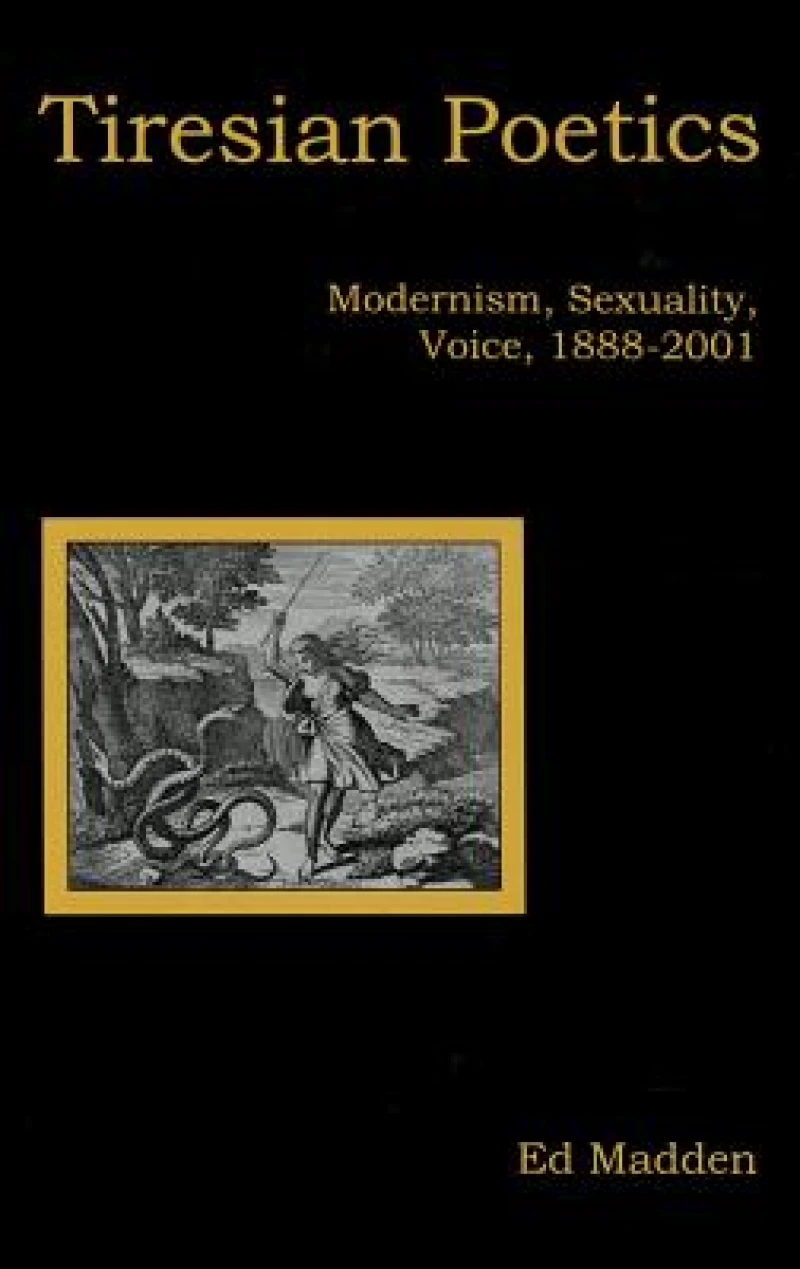
Tiresian Poetics : Modernism, Sexuality, Voice, 1888-2001
Book Details
Format
Hardback or Cased Book
ISBN-10
161147230X
ISBN-13
9781611472301
Publisher
Fairleigh Dickinson University Press
Imprint
Fairleigh Dickinson University Press
Country of Manufacture
US
Country of Publication
GB
Publication Date
Jul 1st, 2008
Print length
402 Pages
Weight
754 grams
Dimensions
16.60 x 24.10 x 3.10 cms
Ksh 19,600.00
Werezi Extended Catalogue
0 in stock
Delivery Location
Delivery fee: Select location
Secure
Quality
Fast
Blind seer, articulate dead, and mythic transsexual, the figure of Tiresias has always represented a liminal identity and forms of knowledge associated with the crossing of epistemological and ontological boundaries. In twentieth-century literature, the boundaries crossed and embodied by Tiresias are primarily sexual, and the liminal and usually prophetic knowledge associated with Tiresias is based in sexual difference and sexual pleasure. Indeed, in literature of the twentieth century, Tiresias has.com e to function as a cultural shorthand for queer sexualties. This book argues for the emergence of a Tiresian poetics at the end of the nineteenth century. As Victorian and modernist writers re-imagined Ovid's tale of sex change and sexual judgment, they also created a poetics that grounded artistic or performance power in figures of sexual difference- most often a feminized, often homosexual male body, which this study links to the developing discourses of homosexuality and sexual identity. This study reconstructs the cultural history of this transsexual figure through readings of work by late Victorian and modernist writers Edith Cooper and Katharine Bradley, who collaborated using the pen name 'Michael Field', and whose work may inaugurate the shift in Tiresian mythographies; T.S. Eliot, whose poem The Waste Land includes arguably the most well-known uses of Tiresias in modern English Literature; Djuna Barnes, whose queer Irish-American Tiresias provides an insistent voice of sexual and social marginalization; and Irish poet Austin Clarke who set out to revise Eliot's use of Tiresias but ended up narrating a myth of sexual panic. The book also examines work by writers whose use of Tiresian figures consistently linked sexual differences, especially homosexuality, to forms of performative, poetic, and aesthetic power. If The Waste Land established Tiresias as a figure of modernist textual and sexual ambiguity, this book displaces that canonically central representation into a more complex tra
Blind seer, articulate dead, and mythic transsexual, the figure of Tiresias has always represented a liminal identity and forms of knowledge associated with the crossing of epistemological and ontological boundaries. In twentieth-century literature, the boundaries crossed and embodied by Tiresias are primarily sexual, and the liminal and usually prophetic knowledge associated with Tiresias is based in sexual difference and sexual pleasure. Indeed, in literature of the twentieth century, Tiresias has.com e to function as a cultural shorthand for queer sexualties. This book argues for the emergence of a Tiresian poetics at the end of the nineteenth century. As Victorian and modernist writers re-imagined Ovid''s tale of sex change and sexual judgment, they also created a poetics that grounded artistic or performance power in figures of sexual difference- most often a feminized, often homosexual male body, which this study links to the developing discourses of homosexuality and sexual identity. This study reconstructs the cultural history of this transsexual figure through readings of work by late Victorian and modernist writers Edith Cooper and Katharine Bradley, who collaborated using the pen name ''Michael Field'', and whose work may inaugurate the shift in Tiresian mythographies; T.S. Eliot, whose poem The Waste Land includes arguably the most well-known uses of Tiresias in modern English Literature; Djuna Barnes, whose queer Irish-American Tiresias provides an insistent voice of sexual and social marginalization; and Irish poet Austin Clarke who set out to revise Eliot''s use of Tiresias but ended up narrating a myth of sexual panic. The book also examines work by writers whose use of Tiresian figures consistently linked sexual differences, especially homosexuality, to forms of performative, poetic, and aesthetic power. If The Waste Land established Tiresias as a figure of modernist textual and sexual ambiguity, this book displaces that canonically central representation into a more complex tra
Get Tiresian Poetics by at the best price and quality guaranteed only at Werezi Africa's largest book ecommerce store. The book was published by Fairleigh Dickinson University Press and it has pages.

