

Toxic Histories : Poison and Pollution in Modern India
by
David Arnold
Book Details
Format
Hardback
Book Series
Science in History
ISBN-10
1107126975
ISBN-13
9781107126978
Publisher
Cambridge University Press
Imprint
Cambridge University Press
Country of Manufacture
US
Country of Publication
GB
Publication Date
Feb 15th, 2016
Print length
250 Pages
Weight
500 grams
Dimensions
16.20 x 23.70 x 2.20 cms
KSh 7,050.00
Publisher Out of Stock
0 in stock
Delivery Location
Delivery fee: Select location
Secure
Quality
Fast
An analysis of the challenge that India's poison culture posed for colonial rule and toxicology's creation of a public role for science.
Toxic Histories combines social, scientific, medical and environmental history to demonstrate the critical importance of poison and pollution to colonial governance, scientific authority and public anxiety in India between the 1830s and 1950s. Against the background of India''s ''poison culture'' and periodic ''poison panics'', David Arnold considers why many familiar substances came to be regarded under colonialism as dangerous poisons. As well as the criminal uses of poison, Toxic Histories shows how European and Indian scientists were instrumental in creating a distinctive system of forensic toxicology and medical jurisprudence designed for Indian needs and conditions, and how local, as well as universal, poison knowledge could serve constructive scientific and medical purposes. Arnold reflects on how the ''fear of a poisoned world'' spilt over into concerns about contamination and pollution, giving ideas of toxicity a wider social and political significance that has continued into India''s postcolonial era.
Get Toxic Histories by David Arnold at the best price and quality guaranteed only at Werezi Africa's largest book ecommerce store. The book was published by Cambridge University Press and it has 250 pages.
Customers Who Bought This Also Bought

From Third World to First
KSh 3,200.00

Breakneck
KSh 4,500.00

India After Gandhi
KSh 4,850.00

Anarchy
KSh 2,700.00

On China
KSh 3,400.00
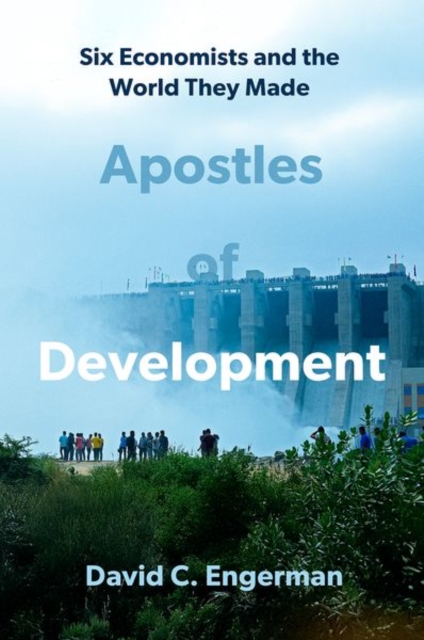
Apostles of Development
KSh 5,600.00
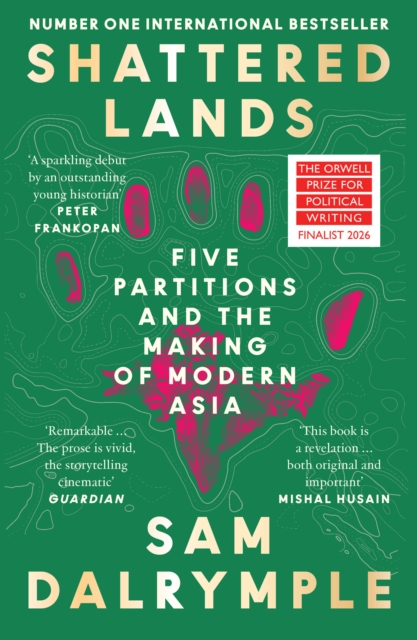
Shattered Lands
KSh 2,000.00
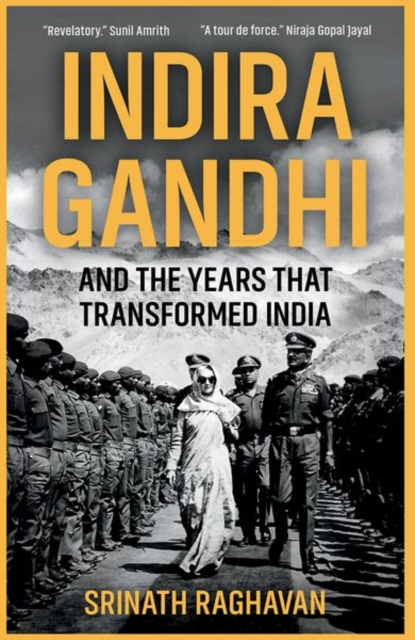
Indira Gandhi and the Years that Transformed India
KSh 5,050.00
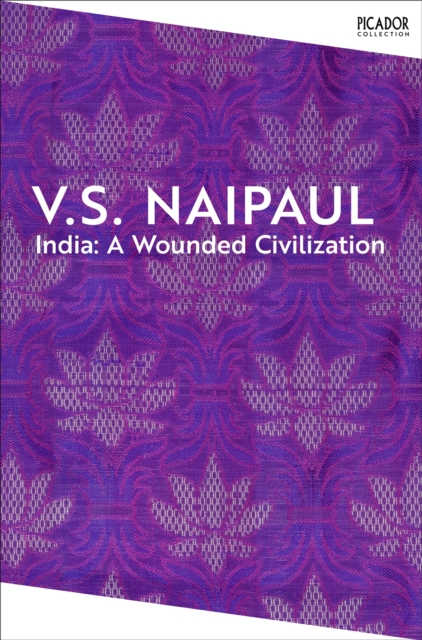
India: A Wounded Civilization
KSh 2,000.00
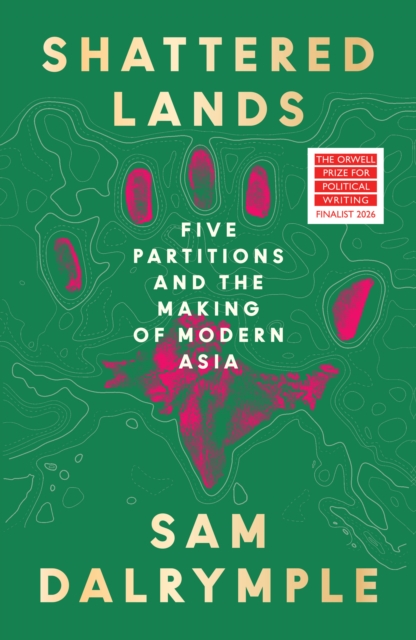
Shattered Lands
KSh 3,200.00

Games without Rules
KSh 2,900.00

Ghost Nation
KSh 3,950.00
More by David Arnold

Mosquitoland
KSh 2,000.00
Science, Technology and Medicine in Colonial India
KSh 17,800.00
Burning the Dead
KSh 10,600.00

I Loved You In Another Life
KSh 1,600.00

Gandhi
KSh 8,450.00
Differential Equations with Boundary Value Problems (Classic Version)
KSh 19,450.00

Differential Equations (Classic Version)
KSh 20,300.00

Pandemic India
KSh 6,300.00
Colonizing the Body
KSh 5,200.00

Macroeconomics
KSh 15,500.00

The Age of Discovery 1400-1600
KSh 7,550.00
Gandhi
KSh 32,650.00
