Transforming Ethnographic Knowledge
Book Details
Format
Paperback / Softback
ISBN-10
0299248747
ISBN-13
9780299248741
Publisher
University of Wisconsin Press
Imprint
University of Wisconsin Press
Country of Manufacture
US
Country of Publication
GB
Publication Date
Aug 6th, 2012
Print length
248 Pages
Weight
360 grams
Dimensions
22.60 x 15.20 x 2.00 cms
Product Classification:
SociologySocial & cultural anthropology, ethnographySocial and cultural anthropology
Ksh 4,350.00
Temporarily out of stock, due soon
0 in stock
Delivery Location
Delivery fee: Select location
Secure
Quality
Fast
Traces the changes anthropologists have seen in ethnography as a method and as an intellectual approach, and offers examples of ethnography’s role in social change and its capacity to transform its practitioners.
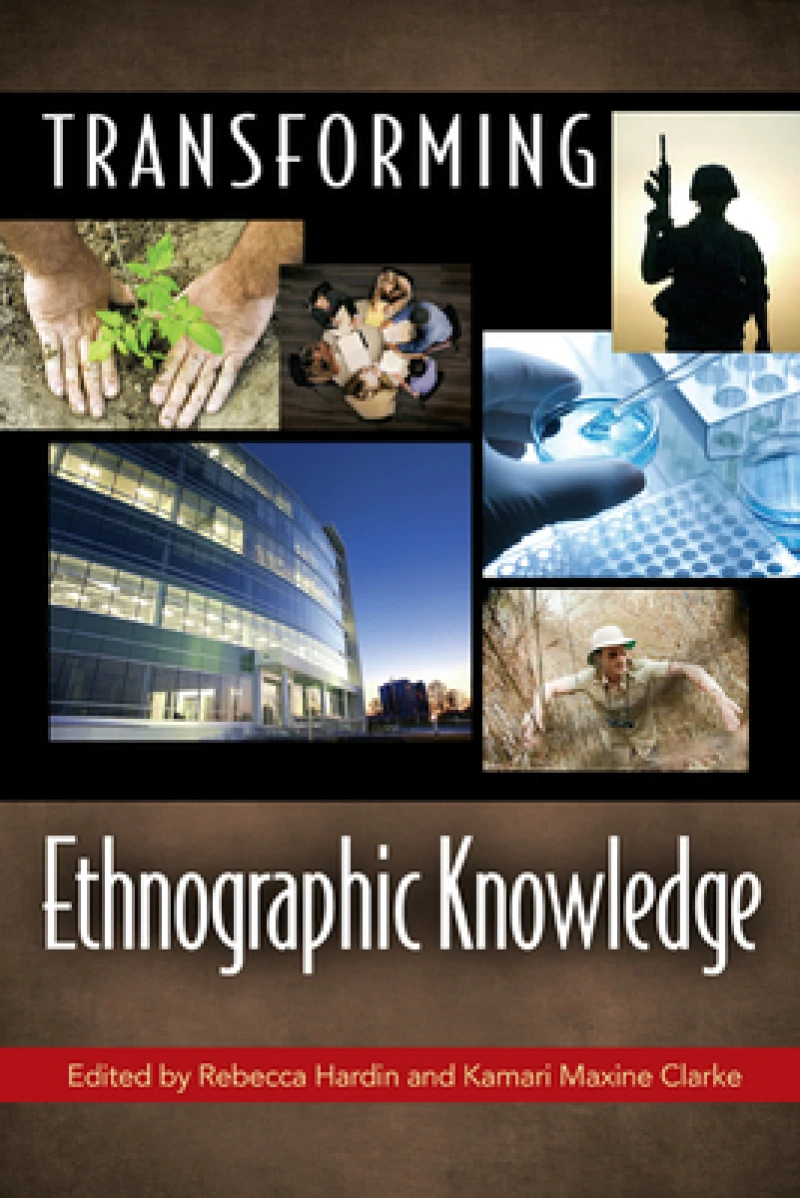
The ethnographic methods that anthropologists first developed to study other cultures--fieldwork, participant observation, dialogue-- are now being adapted for a broad array of applications, such as business, conflict resolution and demobilization, wildlife conservation, education, and biomedicine. In Transforming Ethnographic Knowledge, anthropologists trace the changes they have seen in ethnography as a method and as an intellectual approach, and they offer examples of ethnography''s role in social change and its capacity to transform its practitioners. Senior scholars Mary Catherine Bateson, Sidney Mintz, and J. Lorand Matory look back at how thinking ethnographically shaped both their work and their lives, and George Marcus suggests that the methods for teaching and training anthropologists need rethinking and updating. The second part of the volume features anthropologists working in sectors where ethnography is finding or claiming new relevance: Kamari Maxine Clarke looks at ethnographers'' involvement (or non-involvement) in military conflict, Csilla Kalocsai employs ethnographic tools to understand the dynamics of corporate management, Rebecca Hardin and Melissa Remis take their own anthropological training into rainforests where wildlife conservation and research meet changing subsistence practices and gendered politics of social difference, and Marcia Inhorn shows how the interests in mobility and diasporic connection that characterize a new generation of ethnographic work also apply to medical technologies, as those mediate fertility and relate to social status in the Middle East.
Get Transforming Ethnographic Knowledge by at the best price and quality guaranteed only at Werezi Africa's largest book ecommerce store. The book was published by University of Wisconsin Press and it has pages.