
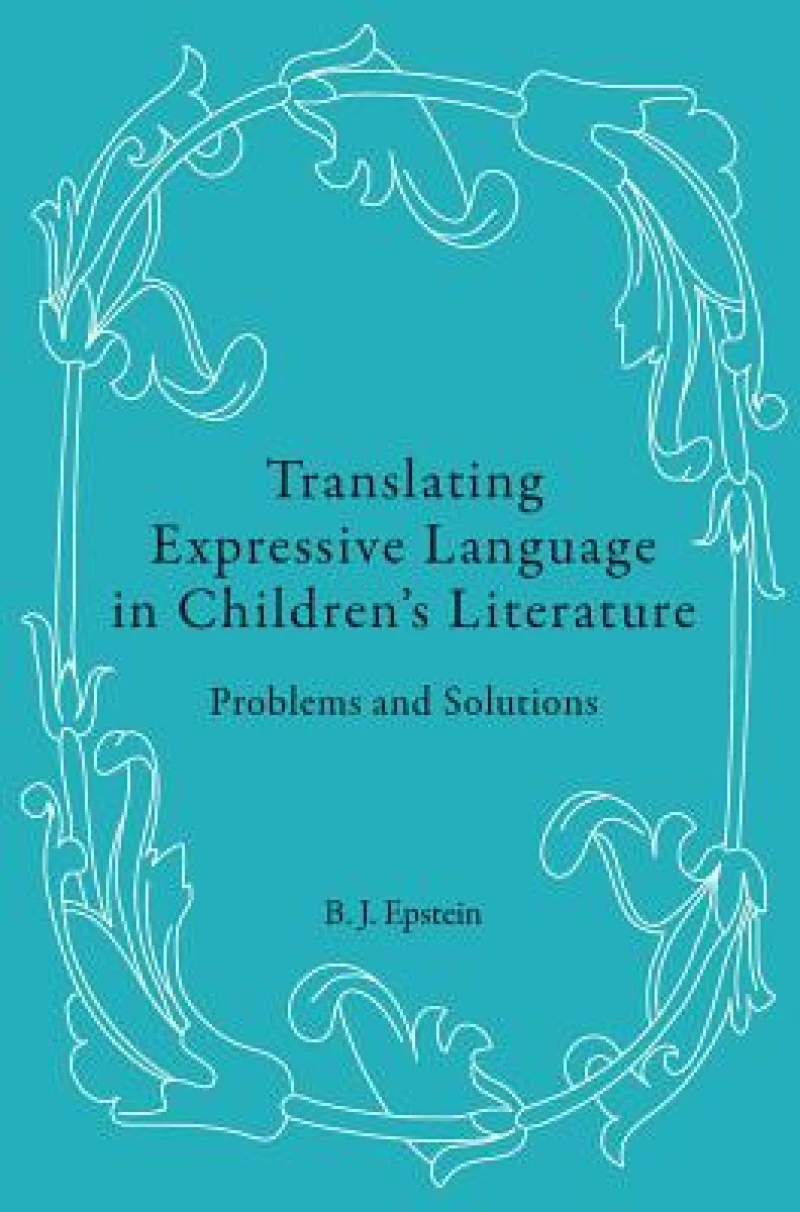
Translating Expressive Language in Children’s Literature : Problems and Solutions
New
by
B.J. Epstein
Book Details
Format
Hardback or Cased Book
ISBN-10
3034307969
ISBN-13
9783034307963
Edition
New
Publisher
Peter Lang AG, Internationaler Verlag der Wissenschaften
Imprint
Peter Lang AG, Internationaler Verlag der Wissensc
Country of Manufacture
CH
Country of Publication
GB
Publication Date
Mar 30th, 2012
Print length
270 Pages
Weight
554 grams
Dimensions
15.80 x 23.00 x 2.10 cms
Ksh 14,700.00
Manufactured on Demand
Delivery in 14 days
4 copies in stock
Delivery Location
Delivery fee: Select location
Delivery in 14 days
Secure
Quality
Fast
Children's literature delights in made-up words, nonsensical terms, and creative nicknames, but how do you translate these expressions into another language? This book provides an approach to translation studies to address the challenges of translating children's literature.
Children’s literature delights in made-up words, nonsensical terms, and creative nicknames, but how do you translate these expressions into another language?
This book provides a new approach to translation studies to address the challenges of translating children’s literature. It focuses on expressive language (nonsense, names, idioms, allusions, puns, and dialects) and provides guidance for translators about how to translate such linguistic features without making assumptions about the reader’s capabilities and without drastically changing the work. The text features effective strategies for both experienced translators and those who are new to the field, including exercises and discussion questions that are particularly beneficial for students training to be translators. This learner-friendly book also offers original contributions to translation theory in light of the translation issues particular to children’s literature.
This book provides a new approach to translation studies to address the challenges of translating children’s literature. It focuses on expressive language (nonsense, names, idioms, allusions, puns, and dialects) and provides guidance for translators about how to translate such linguistic features without making assumptions about the reader’s capabilities and without drastically changing the work. The text features effective strategies for both experienced translators and those who are new to the field, including exercises and discussion questions that are particularly beneficial for students training to be translators. This learner-friendly book also offers original contributions to translation theory in light of the translation issues particular to children’s literature.
Get Translating Expressive Language in Children’s Literature by at the best price and quality guaranteed only at Werezi Africa's largest book ecommerce store. The book was published by Peter Lang AG, Internationaler Verlag der Wissenschaften and it has pages.

