
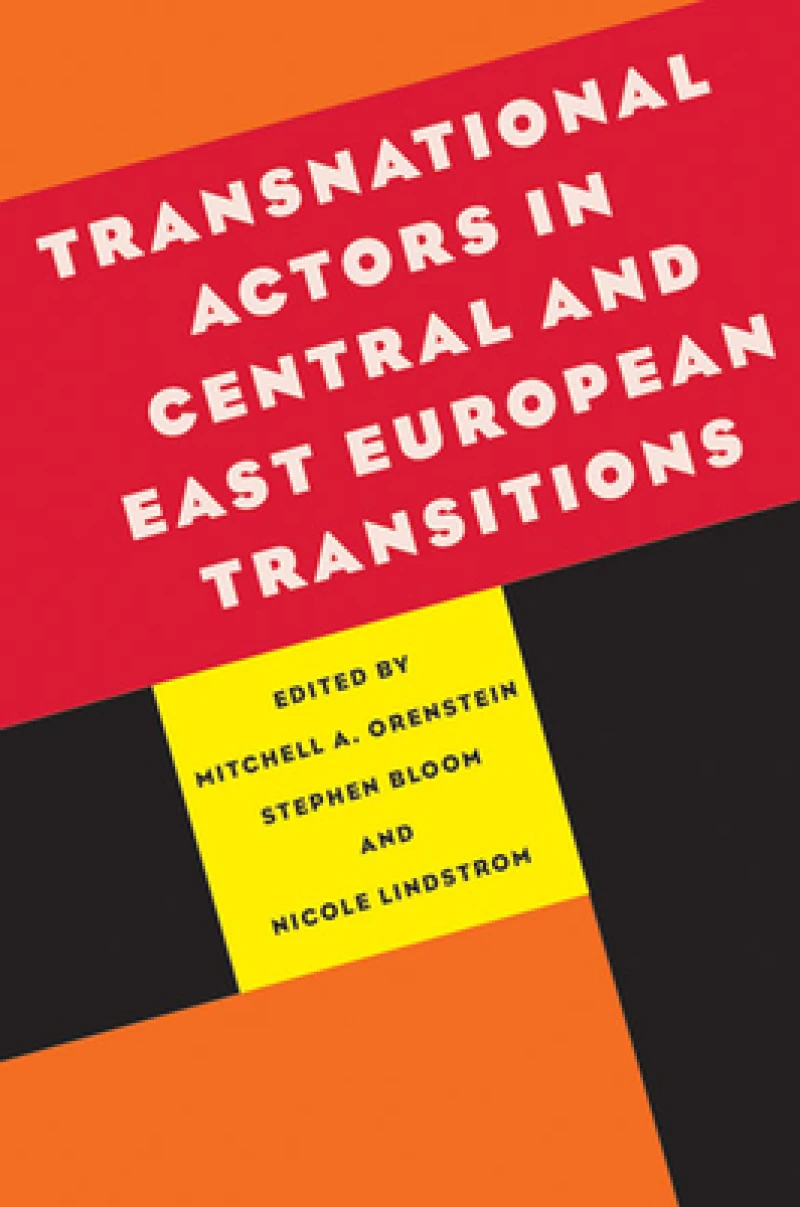
Transnational Actors in Central and East European Transitions
Book Details
Format
Paperback / Softback
Book Series
Russian and East European Studies
ISBN-10
0822959941
ISBN-13
9780822959946
Publisher
University of Pittsburgh Press
Imprint
University of Pittsburgh Press
Country of Manufacture
US
Country of Publication
GB
Publication Date
Jun 20th, 2008
Print length
272 Pages
Product Classification:
International relations
Ksh 8,100.00
Temporarily out of stock, due soon
0 in stock
Delivery Location
Delivery fee: Select location
Secure
Quality
Fast
Putin's accusations were more than just a call to xenophobic impulses-they were a testament to the pervasive influence of transnational actors in the shaping of postcommunist countries.Despite this, the role of transnational actors has been downplayed or dismissed by many theorists.
When Vladimir Putin claimed "outside forces" were at work during the Ukrainian Orange Revolution of 2004, it was not just a case of paranoia. In this uprising against election fraud, protesters had been trained in political organization and nonviolent resistance by a Western-financed democracy building coalition. Putin's accusations were more than just a call to xenophobic impulses-they were a testament to the pervasive influence of transnational actors in the shaping of postcommunist countries.Despite this, the role of transnational actors has been downplayed or dismissed by many theorists. Realists maintain that only powerful states assert major influence, while others argue that transnational actors affect only rhetoric, not policy outcomes. The editors of this volume contend that transnational actors have exerted a powerful influence in postcommunist transitions. They demonstrate that transitions to democracy, capitalism, and nation-statehood, which scholars thought were likely to undermine one another, were facilitated by the integration of Central and East European states into an international system of complex interdependence. Transnational actors turn out to be the "dark matter" that held the various aspects of the transition together. Transnational actors include international governmental and nongovernmental organizations, corporations, banks, foundations, religious groups, and activist networks, among others. The European Union is the most visible transnational actor in the region, but there are many others, including the OSCE, NATO, Council of Europe, the Catholic Church, and the Soros Foundation. Transnational Actors in Central and East European Transitions assembles leading scholars to debate the role and impact of transnational actors and presents a promising new research program for the study of this rapidly transforming region.
Get Transnational Actors in Central and East European Transitions by at the best price and quality guaranteed only at Werezi Africa's largest book ecommerce store. The book was published by University of Pittsburgh Press and it has pages.

