
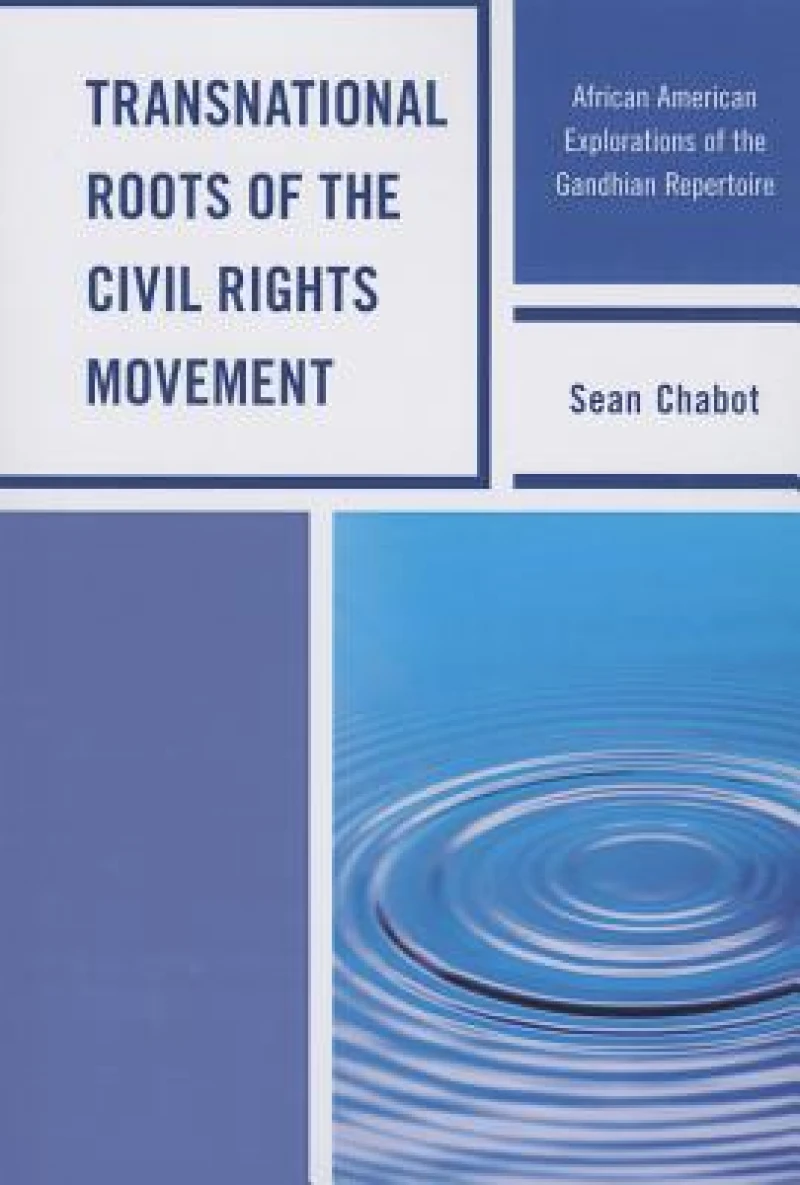
Transnational Roots of the Civil Rights Movement : African American Explorations of the Gandhian Repertoire
by
Sean Chabot
Book Details
Format
Paperback / Softback
ISBN-10
0739186019
ISBN-13
9780739186015
Publisher
Bloomsbury Publishing Plc
Imprint
Lexington Books
Country of Manufacture
GB
Country of Publication
GB
Publication Date
Jul 24th, 2013
Print length
220 Pages
Weight
318 grams
Dimensions
15.30 x 22.70 x 2.00 cms
Product Classification:
Social discrimination & inequalityBlack & Asian studiesPolitical activism
Ksh 9,800.00
Manufactured on Demand
0 in stock
Delivery Location
Delivery fee: Select location
Secure
Quality
Fast
How did African Americans gain the ability to apply Gandhian nonviolence during the civil rights movement? Responses generally focus on Martin Luther King’s “pilgrimage to nonviolence” or favorable social contexts and processes. This book, in contrast, highlights the role of collective learning in the Gandhian repertoire’s transnational diffusion. Collective learning shaped the invention of the Gandhian repertoire in South Africa and India as well as its transnational diffusion to the United States. In the 1920s, African Americans and their allies responded to Gandhi’s ideas and practices by reproducing stereotypes. Meaningful collective learning started with translation of the Gandhian repertoire in the 1930s and small-scale experimentation in the early 1940s. After surviving the doldrums of the McCarthy era, full implementation of the Gandhian repertoire finally occurred during the civil rights movement between 1955 and 1965. This book goes beyond existing scholarship by contributing deeper and finer insights on how transnational diffusion between social movements actually works. It highlights the contemporary relevance of Gandhian nonviolence and its successful journey across borders.
How did African Americans gain the ability to apply Gandhian nonviolence during the civil rights movement? Responses generally focus on Martin Luther King’s “pilgrimage to nonviolence” or favorable social contexts and processes. This book, in contrast, highlights the role of collective learning in the Gandhian repertoire’s transnational diffusion. Collective learning shaped the invention of the Gandhian repertoire in South Africa and India as well as its transnational diffusion to the United States. In the 1920s, African Americans and their allies responded to Gandhi’s ideas and practices by reproducing stereotypes. Meaningful collective learning started with translation of the Gandhian repertoire in the 1930s and small-scale experimentation in the early 1940s. After surviving the doldrums of the McCarthy era, full implementation of the Gandhian repertoire finally occurred during the civil rights movement between 1955 and 1965. This book goes beyond existing scholarship by contributing deeper and finer insights on how transnational diffusion between social movements actually works. It highlights the contemporary relevance of Gandhian nonviolence and its successful journey across borders.
Get Transnational Roots of the Civil Rights Movement by at the best price and quality guaranteed only at Werezi Africa's largest book ecommerce store. The book was published by Bloomsbury Publishing Plc and it has pages.

