
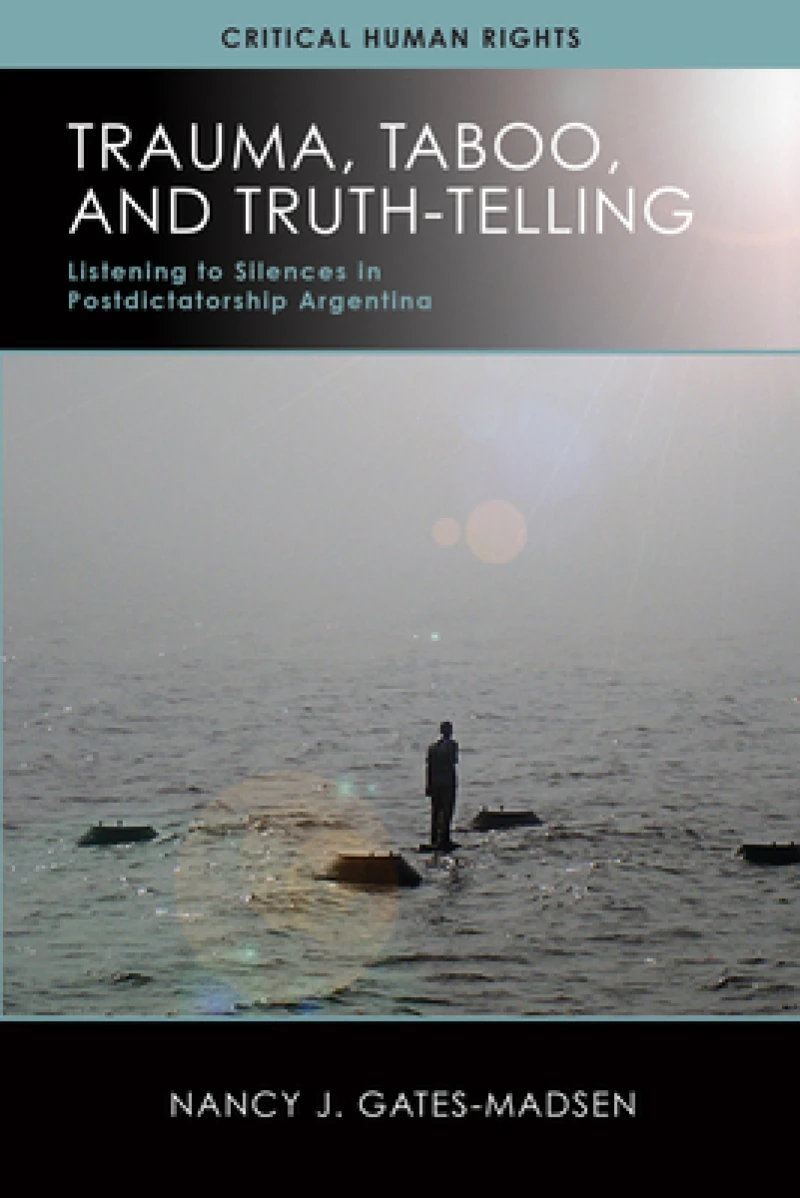
Trauma, Taboo, and Truth-Telling : Listening to Silences in Postdictatorship Argentina
Book Details
Format
Paperback / Softback
Book Series
Critical Human Rights
ISBN-10
0299307646
ISBN-13
9780299307646
Publisher
University of Wisconsin Press
Imprint
University of Wisconsin Press
Country of Manufacture
GB
Country of Publication
GB
Publication Date
Jul 10th, 2018
Print length
240 Pages
Weight
525 grams
Dimensions
22.90 x 15.20 x 1.20 cms
Ksh 3,600.00
Werezi Extended Catalogue
0 in stock
Delivery Location
Delivery fee: Select location
Secure
Quality
Fast
Reads between the lines of Argentine cultural texts (fiction, drama, testimonial narrative, telenovela, documentary film) to explore the fundamental role of silence - the unsaid - in the expression of trauma. Nancy J. Gates-Madsen’s careful examination of the interplay between textual and contextual silences illuminates public debate about the meaning of memory in Argentina.
Argentina''s repressive 1976–83 dictatorship, during which an estimated thirty-thousand people were ""disappeared,"" prompted the postauthoritarian administrations and human rights groups to encourage public exposure of past crimes and traumas. Truth commissions, trials, and other efforts have aimed to break the silence and give voice to the voiceless. Yet despite these many reckonings, there are still silences, taboos, and unanswerable questions.
Nancy J. Gates-Madsen reads between the lines of Argentine cultural texts (fiction, drama, testimonial narrative, telenovela, documentary film) to explore the fundamental role of silence—the unsaid—in the expression of trauma. Her careful examination of the interplay between textual and contextual silences illuminates public debate about the meaning of memory in Argentina—which stories are being told, and, more important, which are being silenced. The imposition of silence is not limited to the military domain or its apologists, she shows; the human rights community also perpetuates and creates taboos.
Nancy J. Gates-Madsen reads between the lines of Argentine cultural texts (fiction, drama, testimonial narrative, telenovela, documentary film) to explore the fundamental role of silence—the unsaid—in the expression of trauma. Her careful examination of the interplay between textual and contextual silences illuminates public debate about the meaning of memory in Argentina—which stories are being told, and, more important, which are being silenced. The imposition of silence is not limited to the military domain or its apologists, she shows; the human rights community also perpetuates and creates taboos.
Get Trauma, Taboo, and Truth-Telling by at the best price and quality guaranteed only at Werezi Africa's largest book ecommerce store. The book was published by University of Wisconsin Press and it has pages.

