
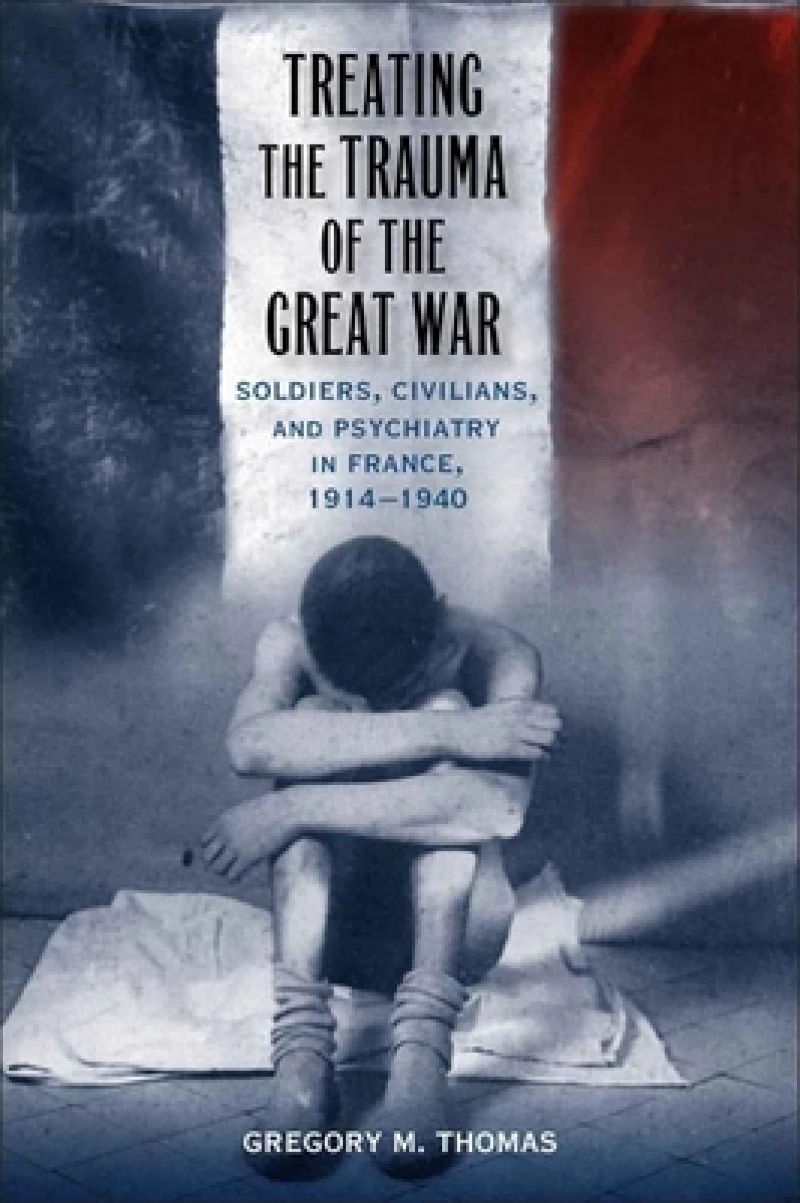
Treating the Trauma of the Great War : Soldiers, Civilians, and Psychiatry in France, 1914-1940
Book Details
Format
Hardback or Cased Book
ISBN-10
0807134368
ISBN-13
9780807134368
Publisher
Louisiana State University Press
Imprint
Louisiana State University Press
Country of Manufacture
US
Country of Publication
GB
Publication Date
Jun 1st, 2009
Print length
280 Pages
Weight
570 grams
Dimensions
23.80 x 16.00 x 2.60 cms
Ksh 6,800.00
Temporarily out of stock, due soon
0 in stock
Delivery Location
Delivery fee: Select location
Secure
Quality
Fast
Explores the psychological effects of the Great War on French citizens, showing how doctors' understanding of mental illness produced deep, tangible effects in the lives of the men and women who suffered.
From the outset of World War I, French doctors faced an apparent epidemic of puzzling neurological and psychiatric illnesses among soldiers. As they attempted to understand the causes of these illnesses, doctors organized specialized centers near the front, where they submitted soldiers to swift, humiliating treatments and then returned them to duty. At home, they interned the scores of civilians who succumbed to the war's strains in decrepit asylums or left them to fend for themselves. In Treating the Trauma of the Great War, Gregory M. Thomas explores the psychological effects of the war on French citizens, showing how doctors' understanding of mental illness produced deep, tangible effects in the lives of the men and women who suffered.
Doctors vigorously debated the war's role in the genesis of the neuropsychiatric disturbances observed in soldiers and civilians, but most psychiatrists ultimately concluded that mental illnesses appeared primarily in individuals predisposed to disease. Consequently, doctors granted their patients few favors when making decisions about diagnostic labels, treatment regimes, and pension allocations, leaving many to endure illnesses without adequate care or sufficient financial support. In their quest to understand the psychological impact of war, Thomas argues, doctors focused more on demonstrating the capabilities of their medical specialties and serving a state at war than on treating patients. Those aims significantly affected doctors' scientific conclusions, their medical and legal decisions, and their treatment practices. When the war ended, psychiatric reformers used the trauma of war to their advantage, promoting the perception of France as a traumatized nation in need of new psychiatric institutions that could accommodate a large and growing pool of psychologically wounded citizens.
Thomas draws on the vast medical literature produced during and after the war, including veterans' journals, parliamentary debates, newspaper articles, and medical administrative reports, infusing his narrative with a vivid human element. Though psychiatrists ultimately failed to raise the status of their specialty, Thomas reveals how the war helped precipitate lasting changes in psychiatric practice.
Doctors vigorously debated the war's role in the genesis of the neuropsychiatric disturbances observed in soldiers and civilians, but most psychiatrists ultimately concluded that mental illnesses appeared primarily in individuals predisposed to disease. Consequently, doctors granted their patients few favors when making decisions about diagnostic labels, treatment regimes, and pension allocations, leaving many to endure illnesses without adequate care or sufficient financial support. In their quest to understand the psychological impact of war, Thomas argues, doctors focused more on demonstrating the capabilities of their medical specialties and serving a state at war than on treating patients. Those aims significantly affected doctors' scientific conclusions, their medical and legal decisions, and their treatment practices. When the war ended, psychiatric reformers used the trauma of war to their advantage, promoting the perception of France as a traumatized nation in need of new psychiatric institutions that could accommodate a large and growing pool of psychologically wounded citizens.
Thomas draws on the vast medical literature produced during and after the war, including veterans' journals, parliamentary debates, newspaper articles, and medical administrative reports, infusing his narrative with a vivid human element. Though psychiatrists ultimately failed to raise the status of their specialty, Thomas reveals how the war helped precipitate lasting changes in psychiatric practice.
Get Treating the Trauma of the Great War by at the best price and quality guaranteed only at Werezi Africa's largest book ecommerce store. The book was published by Louisiana State University Press and it has pages.

