Triumphal Forms : Structural Patterns in Elizabethan Poetry
Book Details
Format
Paperback / softback
ISBN-10
052112896X
ISBN-13
9780521128964
Publisher
Cambridge University Press
Imprint
Cambridge University Press
Country of Manufacture
GB
Country of Publication
GB
Publication Date
Feb 4th, 2010
Print length
264 Pages
Weight
390 grams
Dimensions
22.90 x 15.20 x 1.50 cms
KSh 7,550.00
Currently unavailable
0 in stock
Delivery Location
Delivery fee: Select location
Secure
Quality
Fast
A study of numerology in Elizabethan poetry, with some background studies which base the subject in classical learning, the works of Dante and Petrarch, and the esoteric traditions of the humanists. Dr Fowler demonstrates numerology's persistence in the works of Spenser, Sidney, Chapman, Shakespeare, Donne, Jonson, Dryden and others.
A study of numerology in Elizabethan poetry, with some background studies which base the subject in classical learning, the works of Dante and Petrarch, and the esoteric traditions of the humanists. The central assumption of numerological criticism is that there exist works written in this tradition which show a correspondence between structure and meaning on a numerical plane; that is, one in which the number of the constituent parts (lines, stanzas, sonnets in a sequence) expresses a major aspect of the meaning. For instance parts of the whole can be arranged to represent months of the year and so on. Such structures of time and the triumphal form, in which the most important 'sovereign' element is placed at the centre, are the two main numerological patterns discussed by Dr Fowler. Critics have tended to regard numerology as an isolated phenomenon, rare after the Middle Ages but Dr Fowler demonstrates its persistence in the works of Spenser, Sidney, Chapman, Shakespeare, Donne, Jonson, Dryden and others.
Get Triumphal Forms by Alastair Fowler at the best price and quality guaranteed only at Werezi Africa's largest book ecommerce store. The book was published by Cambridge University Press and it has 264 pages.
Customers Who Bought This Also Bought
How to Read a Book
KSh 2,000.00
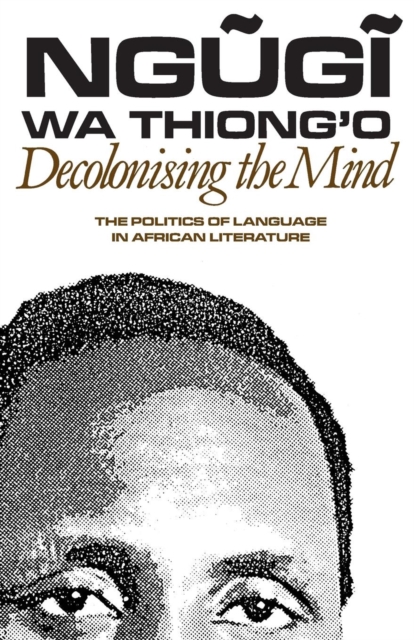
Decolonising the Mind
KSh 4,700.00

How to Read & Why
KSh 2,350.00
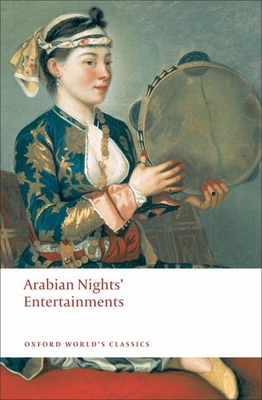
Arabian Nights'' Entertainments
KSh 2,950.00
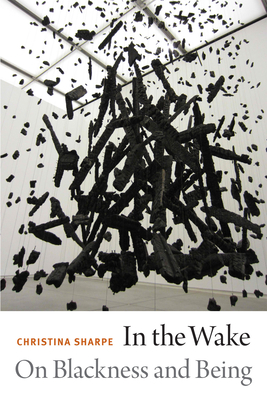
In the Wake
KSh 3,600.00
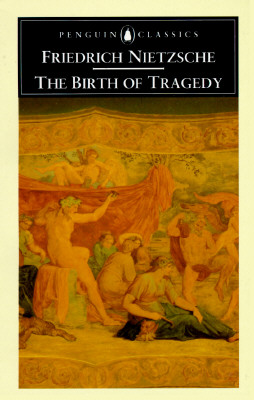
The Birth of Tragedy
KSh 1,800.00
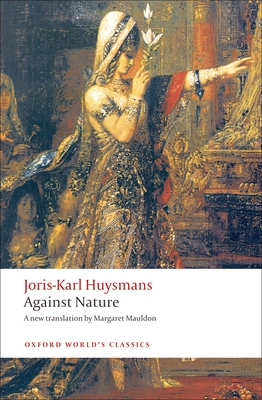
Against Nature
KSh 1,800.00

The White Album
KSh 3,250.00
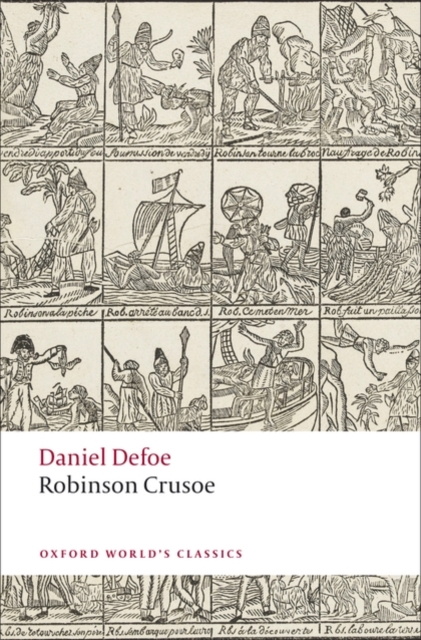
Robinson Crusoe
KSh 1,450.00
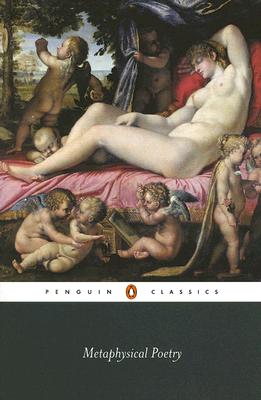
Metaphysical Poetry
KSh 2,350.00
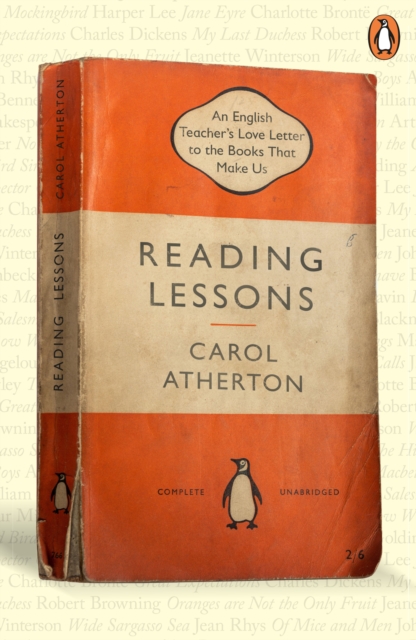
Reading Lessons
KSh 2,350.00

Literature Book
KSh 4,250.00