
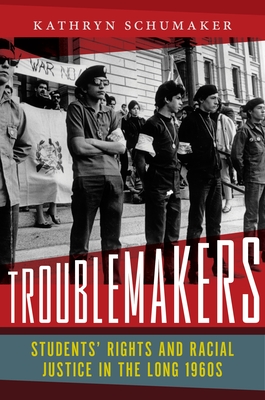
Troublemakers : Students' Rights and Racial Justice in the Long 1960s
Book Details
Format
Paperback / softback
ISBN-10
1479820490
ISBN-13
9781479820498
Publisher
New York University Press
Imprint
New York University Press
Country of Manufacture
US
Country of Publication
GB
Publication Date
Jan 9th, 2023
Print length
272 Pages
Weight
448 grams
Dimensions
15.20 x 22.90 x 2.40 cms
Product Classification:
History of the AmericasEthnic studies
KSh 3,450.00
Currently unavailable
0 in stock
Delivery Location
Delivery fee: Select location
Secure
Quality
Fast
A powerful history of student protests and student rights during the desegregation era In the late 1960s, protests led by students roiled high schools across the country. As school desegregation finally took place on a wide scale, students of color were particularly vocal in contesting the racial discrimination they saw in school policies and practices. And yet, these young people had no legal right to express dissent at school. It was not until 1969 that the Supreme Court would recognize the First Amendment rights of students in the landmark Tinker v. Des Moines case. A series of students' rights lawsuits in the desegregation era challenged everything from school curricula to disciplinary policies. But in casting students as "troublemakers" or as "culturally deficient," school authorities and other experts persuaded the courts to set limits on rights protections that made students of color disproportionately vulnerable to suspension and expulsion. Troublemakers traces the history of black and Chicano student protests from small-town Mississippi to metropolitan Denver and beyond, showcasing the stories of individual protesters and demonstrating how their actions contributed to the eventual recognition of the constitutional rights of all students. Offering a fresh interpretation of this pivotal era, Troublemakers shows that when black and Chicano teenagers challenged racial discrimination in American public schools, they helped remake American constitutional law and establish protections of free speech, due process, equal protection, and privacy for students.
Get Troublemakers by Kathryn Schumaker at the best price and quality guaranteed only at Werezi Africa's largest book ecommerce store. The book was published by New York University Press and it has 272 pages.
Customers Who Bought This Also Bought
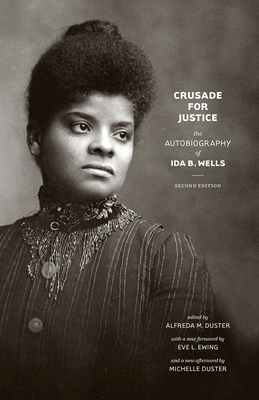
Crusade for Justice – The Autobiography of Ida B. Wells, Second Edition
KSh 4,050.00

Killers of the Flower Moon
KSh 2,000.00
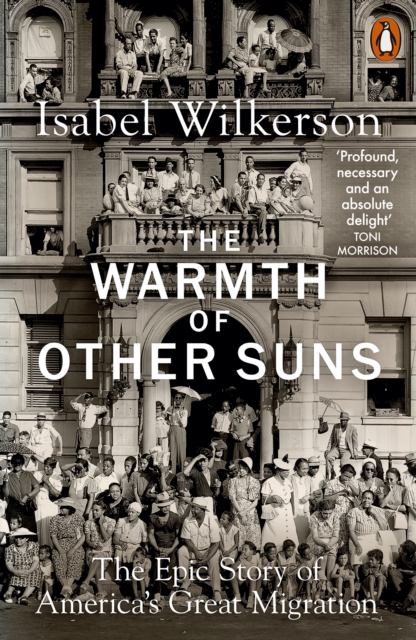
Warmth of Other Suns
KSh 3,050.00
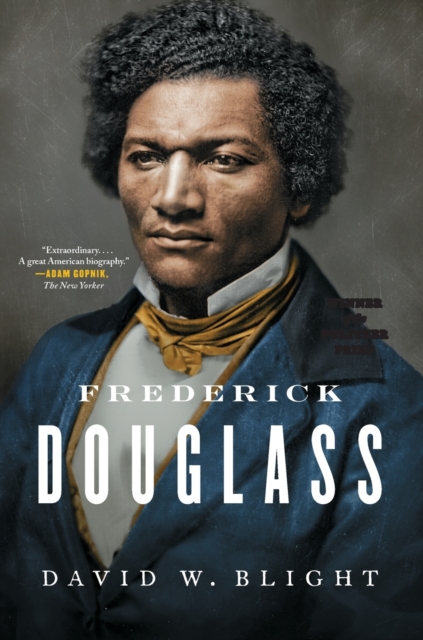
Frederick Douglass
KSh 3,350.00
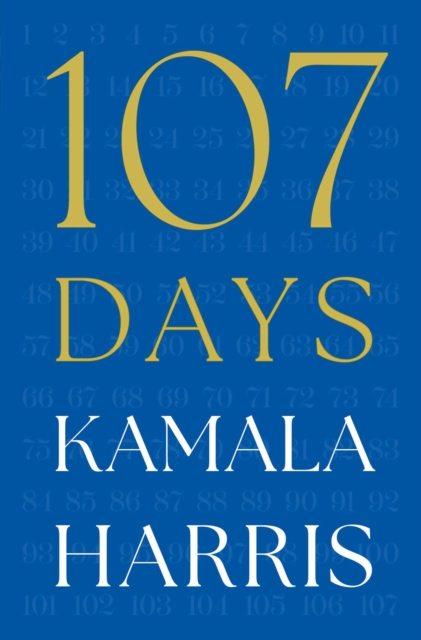
107 Days
KSh 4,500.00

Second Treatise of Government – Norton Library
KSh 1,600.00
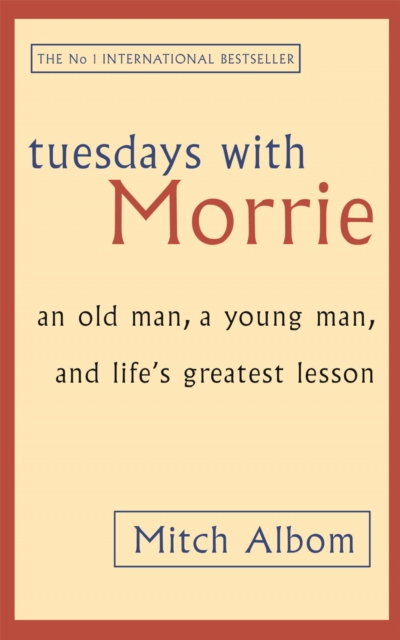
Tuesdays With Morrie
KSh 2,000.00
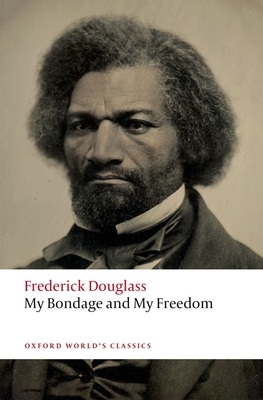
My Bondage and My Freedom
KSh 1,600.00

Hidden Figures
KSh 2,000.00
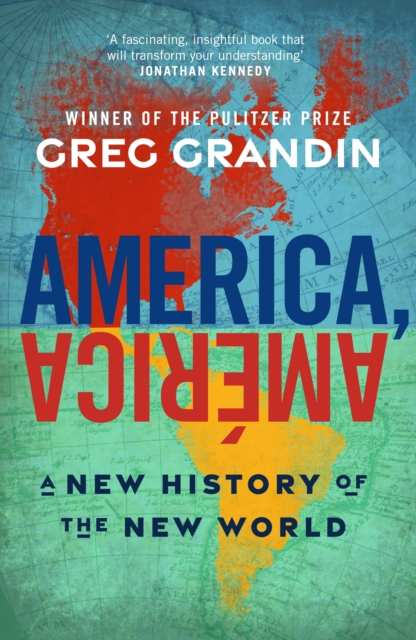
America, América
KSh 3,650.00
Holding the Line
KSh 2,000.00

Nuclear Folly
KSh 3,050.00

