

Ummah Yet Proletariat : Islam, Marxism, and the Making of the Indonesian Republic
by
Lin Hongxuan
Book Details
Format
Hardback
Book Series
RELIGION AND GLOBAL POLITICS SERIES
ISBN-10
0197657389
ISBN-13
9780197657386
Publisher
Oxford University Press Inc
Imprint
Oxford University Press Inc
Country of Manufacture
GB
Country of Publication
GB
Publication Date
Dec 20th, 2023
Print length
368 Pages
Weight
664 grams
Dimensions
16.20 x 24.40 x 2.90 cms
Product Classification:
Asian historyReligion & politicsIslamAsian historyReligion and politicsIslam
KSh 15,700.00
Temporarily out of stock, due soon
0 in stock
Delivery Location
Delivery fee: Select location
Secure
Quality
Fast
From 1965 to 1966, at least 500,000 Indonesians were killed in military-directed violence that targeted suspected Communists. Muslim politicians justified the killings, arguing that Marxism posed an existential threat to all religions. Since then, the demonization of Marxism, as well as the presumed irreconcilability of Islam and Marxism, has permeated Indonesian society. Today, the Indonesian military and Islamic political parties regularly invoke the spectre of Marxism as an enduring threat that would destroy the republic if left unchecked.In Ummah Yet Proletariat, Lin Hongxuan explores the relationship between Islam and Marxism in the Netherlands East Indies (NEI) and Indonesia from the publication of the first Communist periodical in 1915 to the beginning of the 1965-66 massacres. Lin demonstrates how, in contrast to state-driven narratives, Muslim identity and Marxist analytical frameworks coexisted in Indonesian minds, as well as how individuals'' Islamic faith shaped their openness to Marxist ideas. Examining Indonesian-language print culture, including newspapers, books, pamphlets, memoirs, letters, novels, plays, and poetry, Lin shows how deeply embedded confluences of Islam and Marxism were in the Indonesian nationalist project. He argues that these confluences were the result of Indonesian participation in networks of intellectual exchange across Asia, Europe, and the Middle East, of Indonesians "translating" the world to Indonesia in an ambitious project of creative adaptation.
Get Ummah Yet Proletariat by Lin Hongxuan at the best price and quality guaranteed only at Werezi Africa's largest book ecommerce store. The book was published by Oxford University Press Inc and it has 368 pages.
Customers Who Bought This Also Bought

From Third World to First
KSh 3,200.00

Breakneck
KSh 4,500.00

India After Gandhi
KSh 4,850.00

Anarchy
KSh 2,700.00

On China
KSh 3,400.00
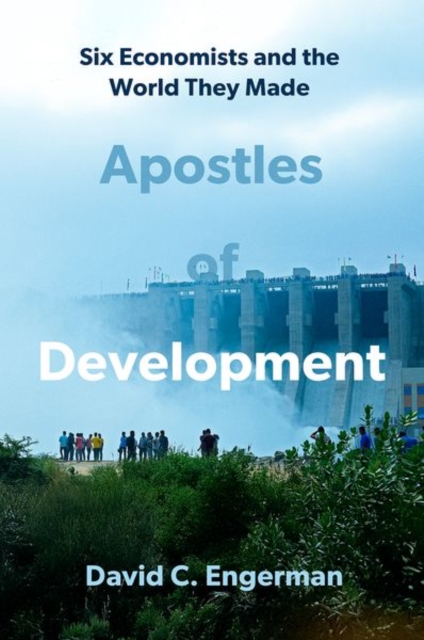
Apostles of Development
KSh 5,600.00
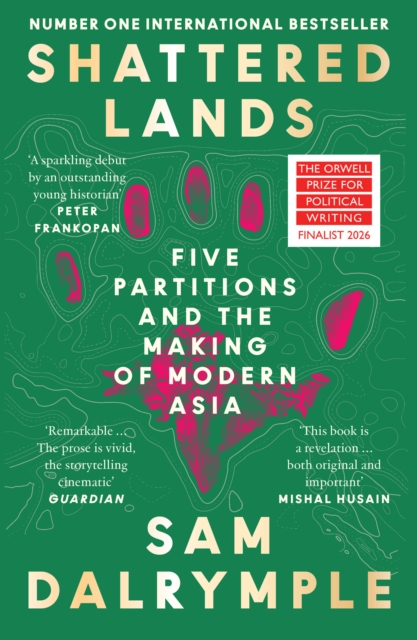
Shattered Lands
KSh 2,000.00
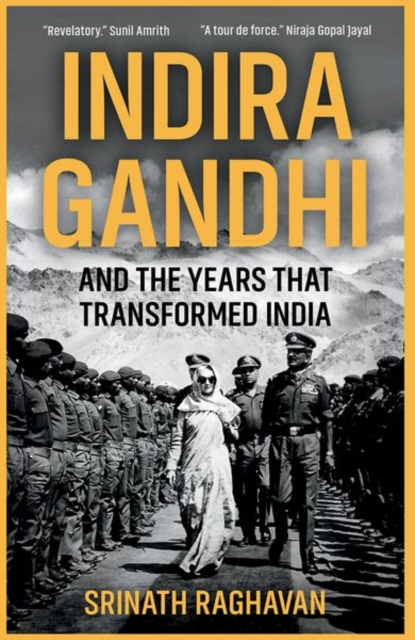
Indira Gandhi and the Years that Transformed India
KSh 5,050.00
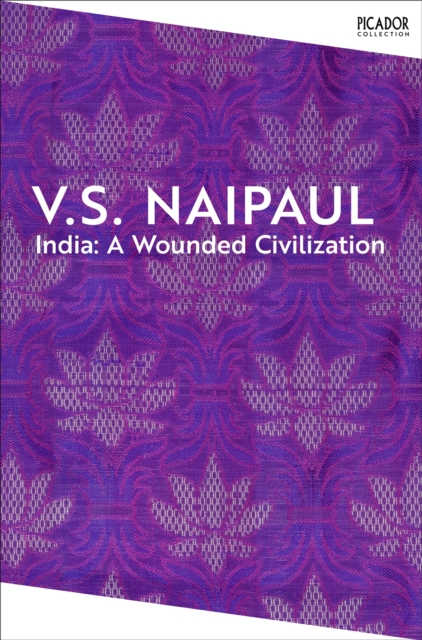
India: A Wounded Civilization
KSh 2,000.00
Shattered Lands
KSh 3,200.00

Games without Rules
KSh 2,900.00

Ghost Nation
KSh 3,950.00
