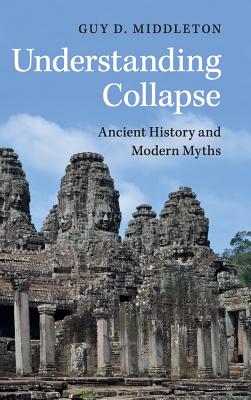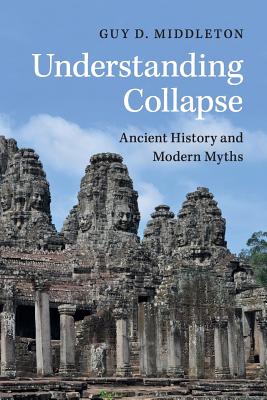
Understanding Collapse : Ancient History and Modern Myths
Book Details
Format
Paperback / softback
ISBN-10
1316606074
ISBN-13
9781316606070
Publisher
Cambridge University Press
Imprint
Cambridge University Press
Country of Manufacture
GB
Country of Publication
GB
Publication Date
Jun 26th, 2017
Print length
462 Pages
Weight
670 grams
Dimensions
15.20 x 22.80 x 2.20 cms
Product Classification:
General & world historyGeneral and world history
KSh 7,600.00
Currently unavailable
0 in stock
Delivery Location
Delivery fee: Select location
Secure
Quality
Fast
In this lively survey, Guy D. Middleton critically examines our ideas about collapse - how we explain it and how we have constructed potentially misleading myths around collapses - showing how and why collapse of societies was a much more complex phenomenon than is often admitted.
Understanding Collapse explores the collapse of ancient civilisations, such as the Roman Empire, the Maya, and Easter Island. In this lively survey, Guy D. Middleton critically examines our ideas about collapse - how we explain it and how we have constructed potentially misleading myths around collapses - showing how and why collapse of societies was a much more complex phenomenon than is often admitted. Rather than positing a single explanatory model of collapse - economic, social, or environmental - Middleton gives full consideration to the overlooked resilience in communities of ancient peoples and the choices that they made. He offers a fresh interpretation of collapse that will be accessible to both students and scholars. The book is an engaging, introductory-level survey of collapse in the archaeology/history literature, which will be ideal for use in courses on the collapse of civilizations, sustainability, and climate change. It includes up-to-date case studies of famous and less well-known examples of collapses, and is illustrated with 25 black and white illustrations, 3 line drawings, 16 tables and 18 maps.
Get Understanding Collapse by Guy D. Middleton at the best price and quality guaranteed only at Werezi Africa's largest book ecommerce store. The book was published by Cambridge University Press and it has 462 pages.
Customers Who Bought This Also Bought
A Modern History of the Somali
KSh 5,300.00
Sapiens
KSh 2,350.00

Rise Fall Great Powers
KSh 3,050.00

Legacy of Violence
KSh 3,150.00

Chip War
KSh 2,000.00
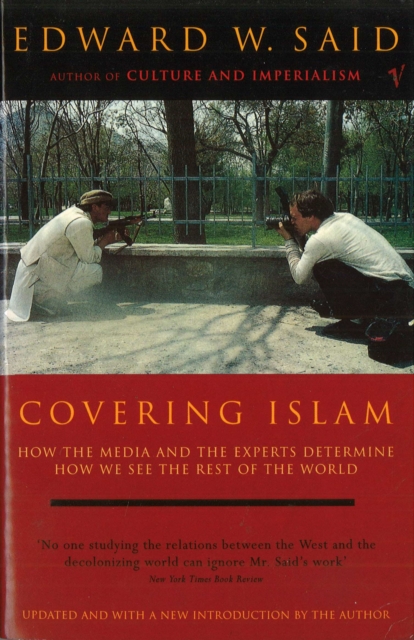
Covering Islam
KSh 2,350.00

They Came Before Columbus
KSh 3,400.00

Hiroshima
KSh 2,000.00

Guns, Germs and Steel
KSh 2,400.00

Silk Roads
KSh 3,050.00

Empire
KSh 2,700.00

Strategy
KSh 4,350.00