
Cart 0
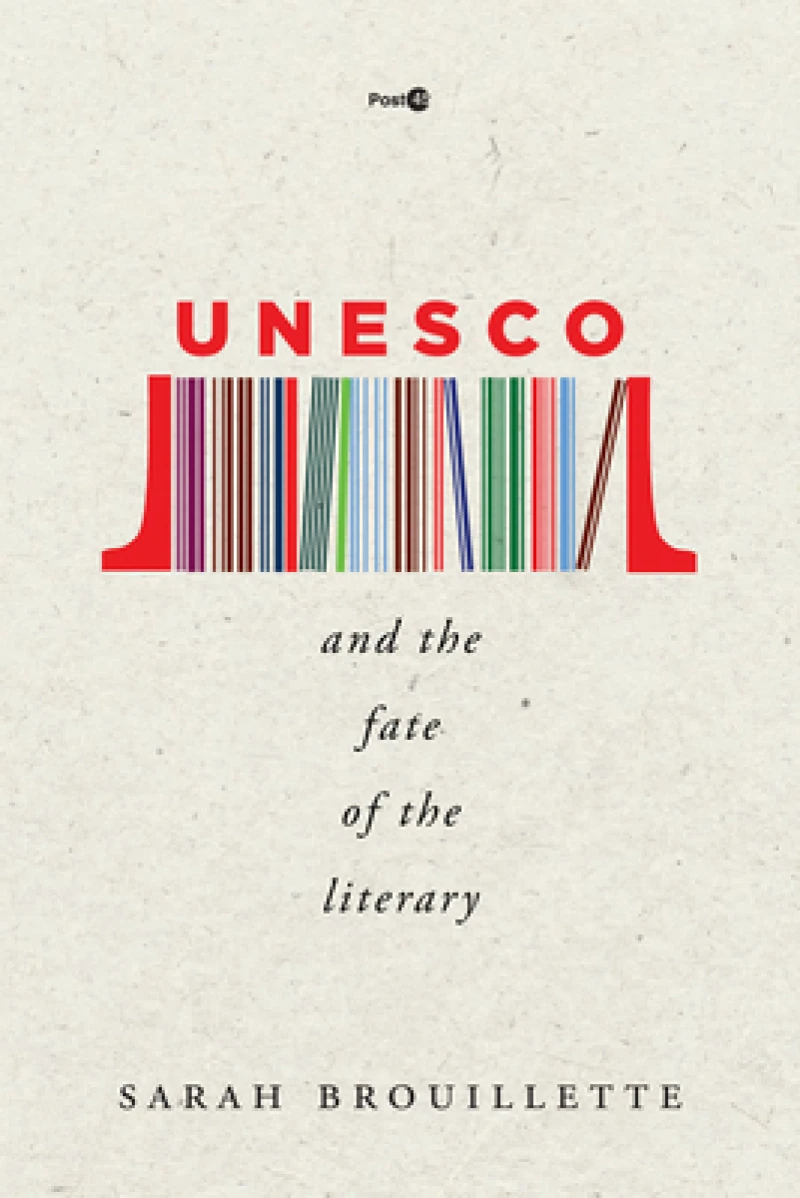
UNESCO and the Fate of the Literary
Click to zoom

Share this book

UNESCO and the Fate of the Literary

New

Book Details

Format Paperback / Softback
Book Series Post*45
ISBN-10 1503610314
ISBN-13 9781503610316
Edition New
Publisher Stanford University Press
Imprint Stanford University Press
Country of Manufacture US
Country of Publication GB
Publication Date Sep 10th, 2019
Print length 277 Pages
Weight 280 grams
Dimensions 15.30 x 22.90 x 1.00 cms
Ksh 4,700.00
Werezi Extended Catalogue Delivery in 14 days

Delivery Location

Delivery fee: Select location

Delivery in 14 days

Secure
Quality
Fast
A case study of one of the most important global institutions of cultural policy formation, UNESCO and the Fate of the Literary demonstrates the relationship between such policymaking and transformations in the economy. Focusing on UNESCO's use of books, Sarah Brouillette identifies three phases in the agency's history and explores the literary and cultural programming of each. In the immediate postwar period, healthy economies made possible the funding of an infrastructure in support of a liberal cosmopolitanism and the spread of capitalist democracy. In the decolonizing 1960s and '70s, illiteracy and lack of access to literature were lamented as a "book hunger" in the developing world, and reading was touted as a universal humanizing value to argue for a more balanced communications industry and copyright regime. Most recently, literature has become instrumental in city and nation branding that drive tourism and the heritage industry. Today, the agency largely treats high literature as a commercially self-sustaining product for wealthy aging publics, and fundamental policy reform to address the uneven relations that characterize global intellectual property creation is off the table. UNESCO's literary programming is in this way highly suggestive. A trajectory that might appear to be one of triumphant success—literary tourism and festival programming can be quite lucrative for some people—is also, under a different light, a story of decline.

A case study of one of the most important global institutions of cultural policy formation, UNESCO and the Fate of the Literary demonstrates the relationship between such policymaking and transformations in the economy. Focusing on UNESCO''s use of books, Sarah Brouillette identifies three phases in the agency''s history and explores the literary and cultural programming of each. In the immediate postwar period, healthy economies made possible the funding of an infrastructure in support of a liberal cosmopolitanism and the spread of capitalist democracy. In the decolonizing 1960s and ''70s, illiteracy and lack of access to literature were lamented as a "book hunger" in the developing world, and reading was touted as a universal humanizing value to argue for a more balanced communications industry and copyright regime. Most recently, literature has become instrumental in city and nation branding that drive tourism and the heritage industry. Today, the agency largely treats high literature as a commercially self-sustaining product for wealthy aging publics, and fundamental policy reform to address the uneven relations that characterize global intellectual property creation is off the table. UNESCO''s literary programming is in this way highly suggestive. A trajectory that might appear to be one of triumphant success—literary tourism and festival programming can be quite lucrative for some people—is also, under a different light, a story of decline.


Get UNESCO and the Fate of the Literary by at the best price and quality guaranteed only at Werezi Africa's largest book ecommerce store. The book was published by Stanford University Press and it has pages.


Mind, Body, & Spirit

Price

Ksh 4,700.00

Shopping Cart

Africa largest book store

Sub Total:
Ebooks

Digital Library
Coming Soon

Our digital collection is currently being curated to ensure the best possible reading experience on Werezi. We'll be launching our Ebooks platform shortly.