
Upland Communities : Environment, Population and Social Structure in the Alps since the Sixteenth Century
Book Details
Format
Paperback / softback
ISBN-10
0521034167
ISBN-13
9780521034166
Publisher
Cambridge University Press
Imprint
Cambridge University Press
Country of Manufacture
GB
Country of Publication
GB
Publication Date
Dec 14th, 2006
Print length
344 Pages
Weight
522 grams
Dimensions
22.70 x 15.10 x 2.00 cms
KSh 8,700.00
Currently unavailable
0 in stock
Delivery Location
Delivery fee: Select location
Secure
Quality
Fast
This book follows the social, economic and demographic transformations of the Alpine area from the late Middle Ages. Its aim is to reassess the image of the upland community which emerges from the work of historians, geographers and social anthropologists.
This book follows the social, economic and demographic transformations of the Alpine area from the late Middle Ages. Its aim is to reassess the image of the upland community which emerges from the work of historians, geographers and social anthropologists. The book therefore deals at length with such problems as the causes and consequences of emigration and patterns of marriage and inheritance in favouring or hampering the adjustments of local populations to changing economic or ecological circumstances, and tackles the vexed question of the relative importance of cultural and environmental factors in shaping family forms and community structures. Although its foundation lies in a long period of anthropological fieldwork conducted in an Alpine community, Upland Communities relies on the methods and conceptual tools of historical demography. Combined with a long-term historical perspective, its broad comparative approach unveils an unexpected diversity in regional and spatial demographic patterns and questions a number of deep-rooted but ultimately misleading notions concerning mountain society and its alleged backwardness in the past.
Get Upland Communities by Pier Paolo Viazzo at the best price and quality guaranteed only at Werezi Africa's largest book ecommerce store. The book was published by Cambridge University Press and it has 344 pages.
Customers Who Bought This Also Bought

Age of Revolutions
KSh 2,350.00

Eichmann in Jerusalem
KSh 2,350.00

Trouble With Being Born
KSh 2,000.00

Hiroshima
KSh 2,000.00

Freedom
KSh 6,300.00

Holocaust
KSh 2,700.00
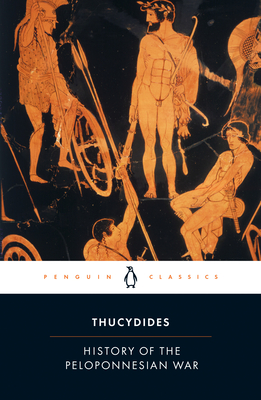
The History of the Peloponnesian War
KSh 2,700.00

Annals
KSh 2,350.00
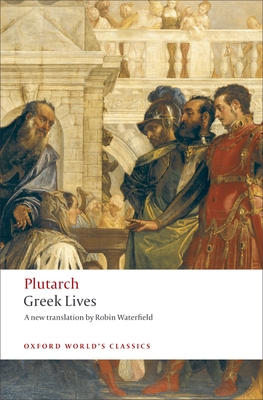
Greek Lives
KSh 2,150.00

Sleepwalkers
KSh 3,400.00

Napoleon The Great
KSh 3,600.00
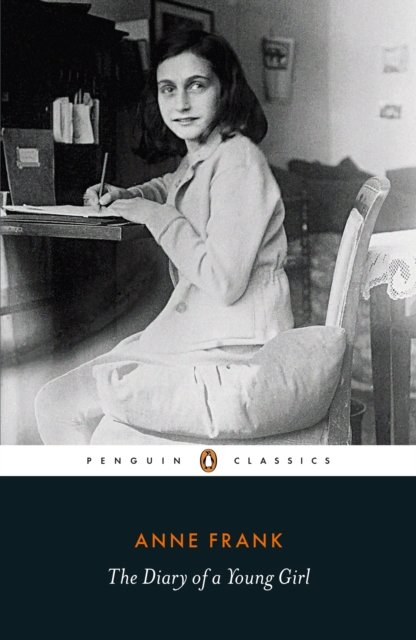
Diary of a Young Girl
KSh 1,800.00