
Book Details
Format
Paperback / Softback
ISBN-10
9811610053
ISBN-13
9789811610059
Edition
2021 ed.
Publisher
Springer Verlag, Singapore
Imprint
Springer Verlag, Singapore
Country of Manufacture
GB
Country of Publication
GB
Publication Date
Apr 3rd, 2022
Print length
310 Pages
Ksh 21,600.00
Werezi Extended Catalogue
0 in stock
Delivery Location
Delivery fee: Select location
Secure
Quality
Fast
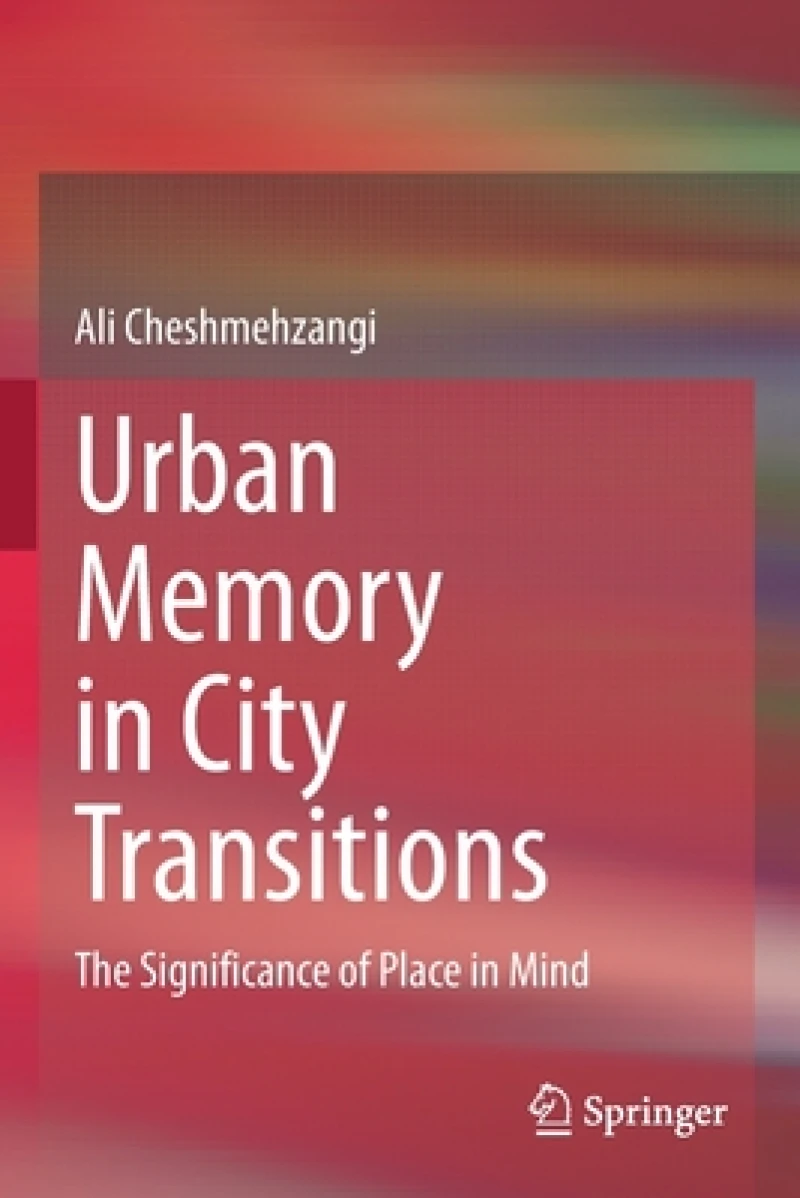
As a continuation of ''Identity of Cities and City of Identities'', this book covers the arguments around the memory-experience-cognition nexus concerning palimpsests and urban places. As cities experience transitional phases of growth, development, decline, and decay, the author urges considering the notion of urban memory in place-making strategies and design decision-making processes. These explorations would add value to primary fields of architecture, architectural history, cognitive science, human geography, and urbanism.
Divided into eight chapters, this book puts together a comprehensive knowledge of urban memory in city transitions. By studying urban memory, the author delves into conceptions of mental mapping, knowledge of environments, cognition of places, and the perceptual dimension of urbanism. Undoubtedly, urban memory plays a significant part in the future movements of humanistic urbanism. Given the significances of scale, pace, and mode of city transitions globally, we should remember who are the ultimate users of those living environments. Therefore, in this book, the author debates two contradictions of ''memory of place vs. place of memory'', and ''significance of place vs. place of significance''. Each of these is believed to be a paradox of its own, indicating places are significant through the systematic networks of cities, memories are meaningful through the neural information processing, and place memories are the essence of urban identities.
The book''s ultimate goal is to demonstrate the effectiveness of the space-time frame of place in making memorable places. Through the comprehensive explorations of many global examples, we can evaluate the significance of place in mind more carefully. This is narrated based on the recognition of nostalgia in cities, socio-temporal qualities in places, and the network of processes in our minds. In return, the aim is to provide new knowledge to make memorable cities, enhance social experiences, and capture and value the significance of place in mind.
Get Urban Memory in City Transitions by at the best price and quality guaranteed only at Werezi Africa's largest book ecommerce store. The book was published by Springer Verlag, Singapore and it has pages.

