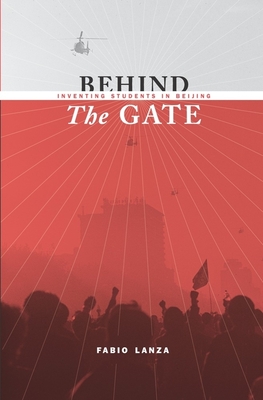
Urban Revolution : People's Communes in Beijing
by
Fabio Lanza
Book Details
Format
Paperback / softback
ISBN-10
1009682474
ISBN-13
9781009682473
Publisher
Cambridge University Press
Imprint
Cambridge University Press
Country of Manufacture
GB
Country of Publication
GB
Publication Date
May 21st, 2026
Print length
290 Pages
Weight
418 grams
Dimensions
22.80 x 15.20 x 2.00 cms
KSh 5,250.00
Currently unavailable
0 in stock
Delivery Location
Delivery fee: Select location
Secure
Quality
Fast
Lanza explores radical attempts to remake Chinese cities during the Great Leap Forward in the first English history of urban collectivization. Through the universalization of production, the collectivization of life, and women's liberation, he argues that the limits of Maoism's ambitions are evident in the daily reality of urban residents.
During the Great Leap Forward (1958–62), the collectivization of the Chinese countryside had catastrophic results, but how did this short-lived political experiment reshape urban life? In the first English history of urban collectivization, Fabio Lanza explores the most radical attempts to remake cities under Mao. Examining the universalization of production, the collectivization of life, including communal canteens and nurseries, and women's liberation, intended to transform modern urban life along socialist lines, he shows how many residents, and women in particular, struggled to enact a radical change in their everyday lives. He argues that the daily reality of millions of city residents proved the limitations of an effort that tied emancipation to industrial labor and substituted subjugation to the assembly line for subjugation to the stove, confronting some of the crucial contradictions of the socialist revolution.
Get Urban Revolution by Fabio Lanza at the best price and quality guaranteed only at Werezi Africa's largest book ecommerce store. The book was published by Cambridge University Press and it has 290 pages.
Customers Who Bought This Also Bought

From Third World to First
KSh 3,200.00

Breakneck
KSh 4,500.00

India After Gandhi
KSh 4,850.00

Anarchy
KSh 2,700.00

On China
KSh 3,400.00
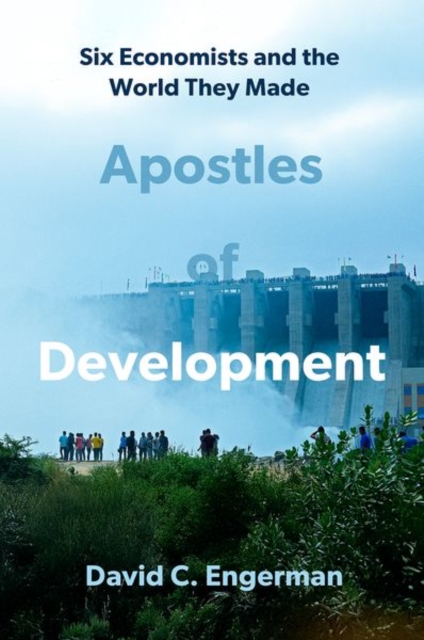
Apostles of Development
KSh 5,600.00
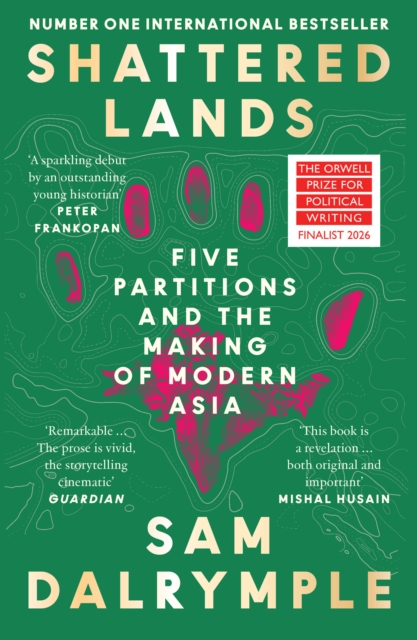
Shattered Lands
KSh 2,000.00
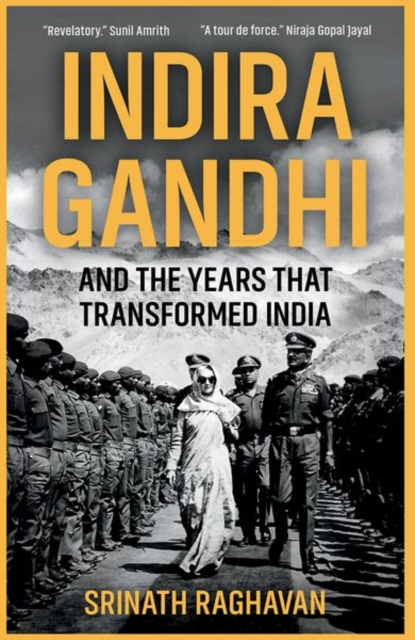
Indira Gandhi and the Years that Transformed India
KSh 5,050.00
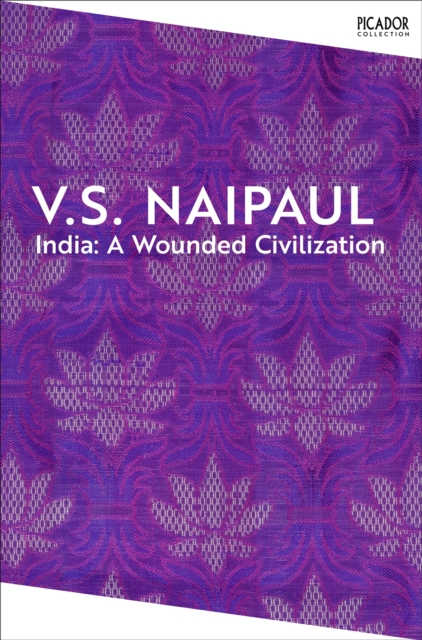
India: A Wounded Civilization
KSh 2,000.00
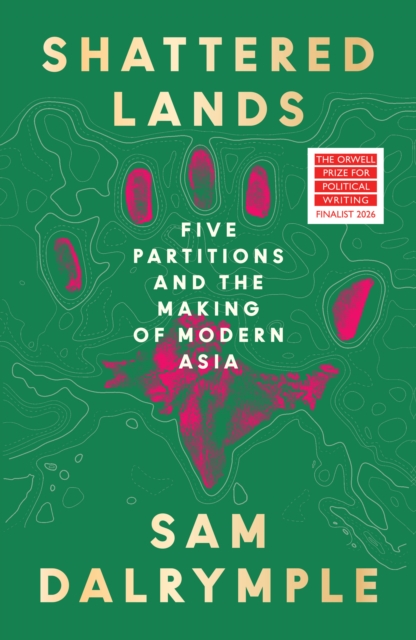
Shattered Lands
KSh 3,200.00
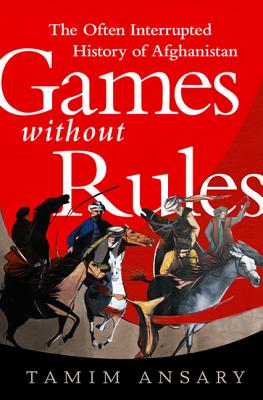
Games without Rules
KSh 2,900.00

Ghost Nation
KSh 3,950.00