
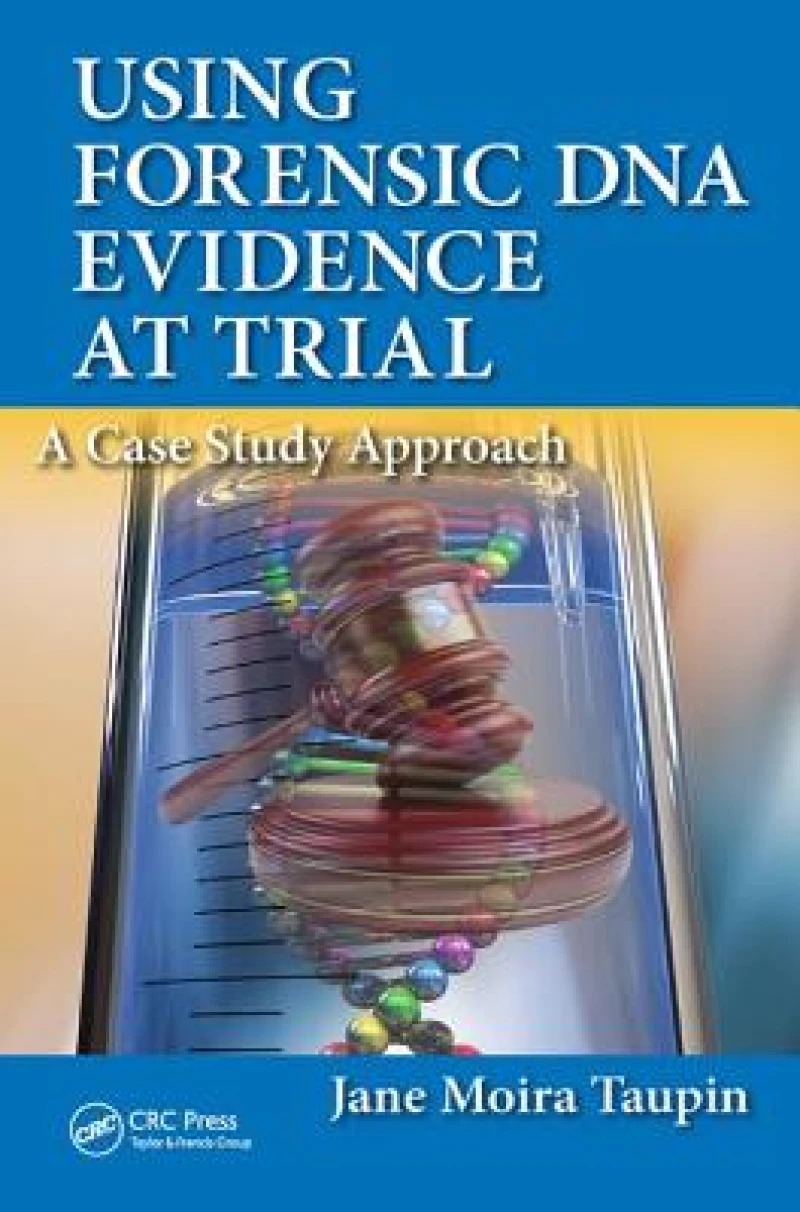
Using Forensic DNA Evidence at Trial : A Case Study Approach
Book Details
Format
Hardback or Cased Book
ISBN-10
1138430072
ISBN-13
9781138430075
Publisher
Taylor & Francis Ltd
Imprint
CRC Press
Country of Manufacture
GB
Country of Publication
GB
Publication Date
Jul 27th, 2017
Print length
216 Pages
Weight
453 grams
Product Classification:
Criminal law & procedureCriminal law: procedure and offencesGenetics (non-medical)
Ksh 37,800.00
Werezi Extended Catalogue
0 in stock
Delivery Location
Delivery fee: Select location
Secure
Quality
Fast
Using Forensic DNA Evidence at Trial: A Case Study Approach covers the most common DNA analysis methods used in criminal trials today, including STR techniques, mitochondrial DNA, and Y-STRs. It presents some novel techniques including familial testing and analyzing domestic animal hair that have been recently introduced in unique cases, each of which is outlined in detail. It also illustrates special issues related to forensic DNA evidence by using court proceedings such as trials and appeals, commissions of inquiry, and government and laboratory reviews.With forensic DNA analysis becoming increasingly important at trial, the lively and sometimes bizarre cases presented in this book have been carefully chosen to highlight specific concepts, methods, and interpretations used in DNA analysis. Sections throughout examine the nature of expertise with a special focus on the role of subjectivity in the interpretation of forensic DNA evidence, emphasizing cognitive bias and extraneous context. Using both convictions and exonerations as examples, the book also discusses the strengths and limitations of DNA evidence and testing. The book is written in an accessible manner for the non-scientific reader, such that criminal lawyers, judges, and forensic experts will all understand the nature of analysis and application of DNA evidence in a variety of court cases. Extensive references including notable trial proceedings, cross references of cases, and specific forensic statistics round out the book and help to provide a complete understanding of forensic DNA analysis and its current usage in the courtroom.
Get Using Forensic DNA Evidence at Trial by at the best price and quality guaranteed only at Werezi Africa's largest book ecommerce store. The book was published by Taylor & Francis Ltd and it has pages.

