

Via Lactea
Book Details
Format
Hardback
ISBN-10
3907236017
ISBN-13
9783907236017
Publisher
Edition Patrick Frey
Imprint
Edition Patrick Frey
Country of Manufacture
GB
Country of Publication
GB
Publication Date
Mar 3rd, 2020
Print length
164 Pages
Weight
832 grams
Dimensions
20.20 x 25.60 x 2.00 cms
Product Classification:
Individual photographersIndividual photographers
KSh 7,200.00
Temporarily out of stock, due soon
0 in stock
Delivery Location
Delivery fee: Select location
Secure
Quality
Fast
It all started, as so often, with a genetic mutation. It was only around 7,500 years ago that Central European adults began to retain the enzyme necessary to metabolize milk after infancy. Dairy farming in the modern sense began in the early agricultural settlements, where nature gradually became culture and eventually what we call “civilization”. No longer wholly dependent on harvests and food reserves, cattle farmers were able to survive even under the harsh climatic conditions of less fertile, often cold and snow-covered mountain regions. Those regions and their inhabitants are the subject of Via Lactea by Swiss photographer Alfio Tommasini. During the long winter months in particular, when man and beast live in close symbiosis under the same roof, he visited mostly smallholders and cattle breeders in the Alps and Alpine foothills as well as large-scale milk and insemination laboratories in Switzerland. Via Lactea presents tableau-like landscapes shot between 2015 and 2019 as well as precisely detailed and yet intimate painterly portraits of farmers and farm animals. Tommasini undertakes a visual study of the relationship between humans, animals and topography in the context of a rapidly changing and increasingly mechanized agriculture and dairy industry. For behind the scenes of our modern-day urban lives lies a vast infrastructure of people and things that a city needs to survive, including highly organized and digitized agro-industries, gigantic warehouses and data centers (Rem Koolhaas). These non urban realms are now, once again, undergoing a sea change—for better or for worse. Via Lactea provides a glimpse of one such peripheral microcosm caught up in the throes of technological transformation. Tommasini’s photographs are anything but folkloristic or romanticizing, for the details of the clothing, tools and machinery portrayed bear subtle but telltale signs of ineluctable coevolutionary upheavals.
Get Via Lactea by Alfio Tommasini at the best price and quality guaranteed only at Werezi Africa's largest book ecommerce store. The book was published by Edition Patrick Frey and it has 164 pages.
Customers Who Bought This Also Bought
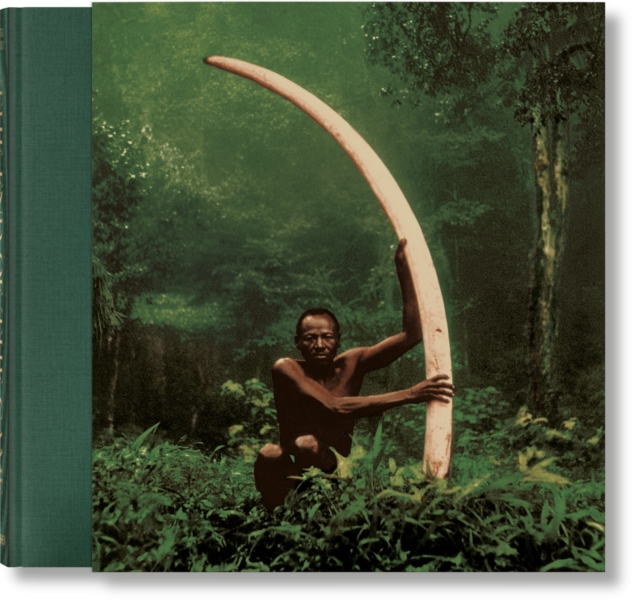
Peter Beard
KSh 14,400.00

Year of the Monkey
KSh 2,350.00

The Jean–Michel Basquiat Reader – Writings, Interviews, and Critical Responses
KSh 14,400.00

Utterly Lazy and Inattentive
KSh 5,400.00

George Saunders & Joshua Lutz: Orange Blossom Trail
KSh 6,300.00

Paul Mpagi Sepuya: Dark Room A–Z
KSh 12,500.00

Sam Contis: Overpass
KSh 8,100.00

Book of Days
KSh 2,750.00

Vanishing World
KSh 4,150.00

Tommy Kha: Half, Full, Quarter
KSh 8,100.00

Book of Days
KSh 4,500.00

Patti Smith – Camera Solo
KSh 4,150.00
More in This Genre
Peter Beard
KSh 14,400.00
Year of the Monkey
KSh 2,350.00
The Jean–Michel Basquiat Reader – Writings, Interviews, and Critical Responses
KSh 14,400.00
Utterly Lazy and Inattentive
KSh 5,400.00
George Saunders & Joshua Lutz: Orange Blossom Trail
KSh 6,300.00
Paul Mpagi Sepuya: Dark Room A–Z
KSh 12,500.00
