
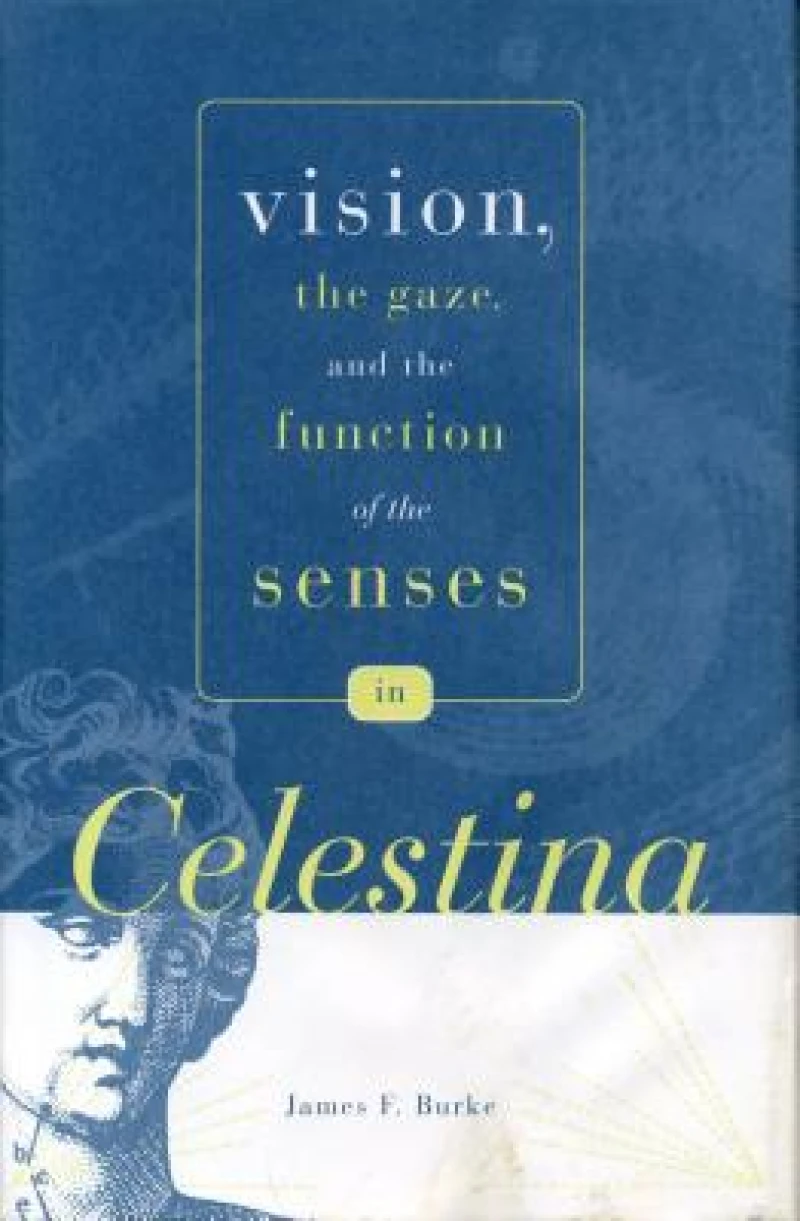
Vision, the Gaze, and the Function of the Senses in “Celestina”
Book Details
Format
Paperback / Softback
Book Series
Studies in Romance Literatures
ISBN-10
0271034297
ISBN-13
9780271034294
Publisher
Pennsylvania State University Press
Imprint
Pennsylvania State University Press
Country of Manufacture
GB
Country of Publication
GB
Publication Date
Jan 15th, 2001
Print length
152 Pages
Weight
227 grams
Dimensions
21.60 x 14.00 x 1.00 cms
Ksh 5,050.00
Werezi Extended Catalogue
0 in stock
Delivery Location
Delivery fee: Select location
Secure
Quality
Fast
The plot of the late-medieval Spanish work Celestina (1499) centers on the ill-fated love of Calisto and Melibea and the fascinating character of their intermediary, Celestina. In this ground-breaking rereading of the play, James F. Burke offers a new interpretation of the characters' actions by analyzing medieval theories of perception that would have influenced the composition of Celestina. Drawing upon a variety of texts and thinkers—including the medieval theories of Thomas Aquinas, the Renaissance treatises of Marsilio Ficino, the classical philosophy of Aristotle, and the modern psychology of Jacques Lacan—Burke relates ancient and medieval theories of sensory functions to modern understandings. He demonstrates that modern concepts of "the gaze" have their premodern analogy in the idea of an all-encompassing sensory field, both visual and auditory, that surrounded and enveloped each individual. Touching on medieval theories of the "evil eye," the sonic sphere, and "the banquet of the senses," Burke offers a new perspective on the use and manipulation of sensory input by the characters of Celestina. This book will be welcomed not only by students of Spanish literature but also by those interested in new ways of approaching medieval and Renaissance texts.
Get Vision, the Gaze, and the Function of the Senses in “Celestina” by at the best price and quality guaranteed only at Werezi Africa's largest book ecommerce store. The book was published by Pennsylvania State University Press and it has pages.

