
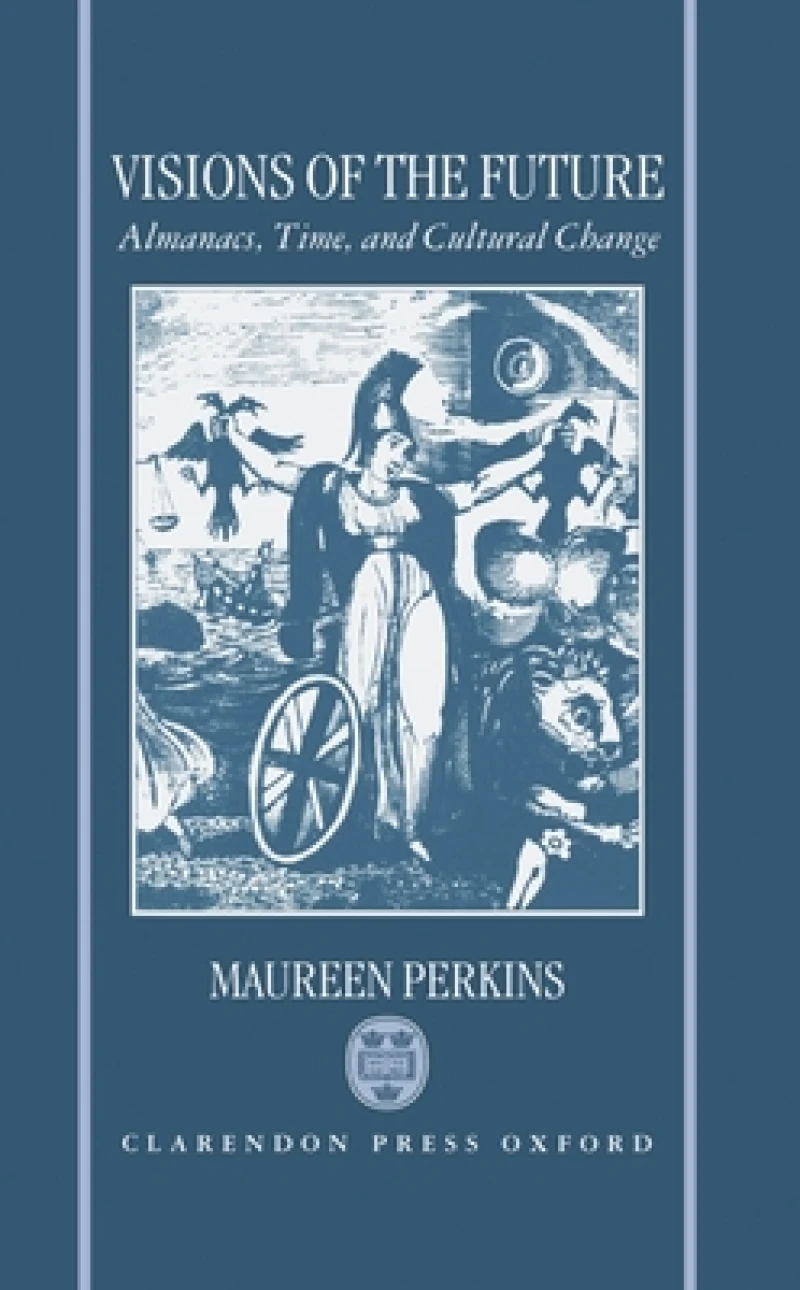
Visions of the Future : Almanacs, Time, and Cultural Change 1775-1870
Book Details
Format
Hardback or Cased Book
ISBN-10
0198121784
ISBN-13
9780198121787
Publisher
Oxford University Press
Imprint
Clarendon Press
Country of Manufacture
GB
Country of Publication
GB
Publication Date
Oct 17th, 1996
Print length
282 Pages
Weight
452 grams
Dimensions
22.50 x 14.60 x 2.20 cms
Ksh 7,550.00
Manufactured on Demand
0 in stock
Delivery Location
Delivery fee: Select location
Secure
Quality
Fast
Historians have long puzzled over the "death" of astrology at the end of the 17th century. This book aims to demonstrate that astrology was alive and well for much of the 19th century, finding expression in one of the best-selling items of popular literature, the almanac.
Historians have long puzzled over the `death'' of astrology at the end of the seventeenth century. Visions of the Future demonstrates that astrology was alive and well for much of the nineteenth century, finding expression in one of the best-selling items of popular literature, the almanac. It examines the contents of the most notorious almanacs, such as Moore''s and Poor Robin, publications which provide a colourful entry into popular culture and which suggest that a belief in the possibility of seeing the future was widespread. The book goes on to discuss why all claims to predict the future, including those of astrology, became categorized as `superstition''. It argues that this development was linked to two major cultural changes: the rise of statistical discourse and the dominance of Newtonian time. Statistical forecasting achieved the status of a `science'' at the same time as `visions'' of the future were being marginalized. Examining the historical context of the substitution of one type of knowledge for another makes an important contribution to current discussion about interaction between the different levels of culture.
Get Visions of the Future by at the best price and quality guaranteed only at Werezi Africa's largest book ecommerce store. The book was published by Oxford University Press and it has pages.

