
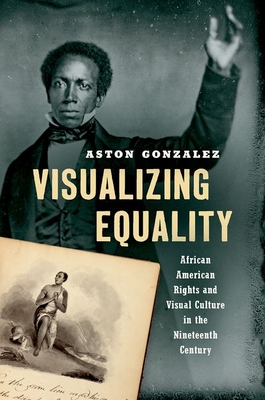
Visualizing Equality : African American Rights and Visual Culture in the Nineteenth Century
Book Details
Format
Paperback / softback
ISBN-10
1469659964
ISBN-13
9781469659961
Publisher
The University of North Carolina Press
Imprint
The University of North Carolina Press
Country of Manufacture
US
Country of Publication
GB
Publication Date
Sep 14th, 2020
Print length
324 Pages
Weight
520 grams
Dimensions
15.50 x 23.40 x 2.40 cms
KSh 4,850.00
Currently unavailable
0 in stock
Delivery Location
Delivery fee: Select location
Secure
Quality
Fast
The fight for racial equality in the nineteenth century played out not only in marches and political conventions but also in the print and visual culture created and disseminated throughout the US by African Americans. Aston Gonzalez charts the changing roles of African American visual artists as they helped build the world they envisioned.
The fight for racial equality in the nineteenth century played out not only in marches and political conventions but also in the print and visual culture created and disseminated throughout the United States by African Americans. Advances in visual technologies--daguerreotypes, lithographs, cartes de visite, and steam printing presses--enabled people to see and participate in social reform movements in new ways. African American activists seized these opportunities and produced images that advanced campaigns for black rights. In this book, Aston Gonzalez charts the changing roles of African American visual artists as they helped build the world they envisioned.
Understudied artists such as Robert Douglass Jr., Patrick Henry Reason, James Presley Ball, and Augustus Washington produced images to persuade viewers of the necessity for racial equality, black political leadership, and freedom from slavery. Moreover, these artist activists' networks of transatlantic patronage and travels to Europe, the Caribbean, and Africa reveal their extensive involvement in the most pressing concerns for black people in the Atlantic world. Their work demonstrates how images became central to the ways that people developed ideas about race, citizenship, and politics during the nineteenth century.
Understudied artists such as Robert Douglass Jr., Patrick Henry Reason, James Presley Ball, and Augustus Washington produced images to persuade viewers of the necessity for racial equality, black political leadership, and freedom from slavery. Moreover, these artist activists' networks of transatlantic patronage and travels to Europe, the Caribbean, and Africa reveal their extensive involvement in the most pressing concerns for black people in the Atlantic world. Their work demonstrates how images became central to the ways that people developed ideas about race, citizenship, and politics during the nineteenth century.
Get Visualizing Equality by Aston Gonzalez at the best price and quality guaranteed only at Werezi Africa's largest book ecommerce store. The book was published by The University of North Carolina Press and it has 324 pages.
Customers Who Bought This Also Bought

World According to Colour
KSh 2,700.00

The Metropolitan Museum of Art
KSh 13,350.00

The Story of Art
KSh 4,500.00

Artists Who Changed History
KSh 5,900.00

Fashion
KSh 7,800.00

Art
KSh 9,250.00

Story of Art without Men
KSh 2,900.00

Tao Te Ching
KSh 3,050.00
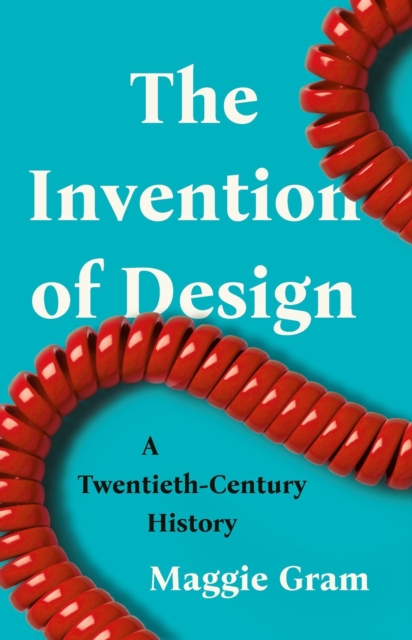
The Invention of Design
KSh 4,500.00

Letters to a Young Painter
KSh 1,950.00
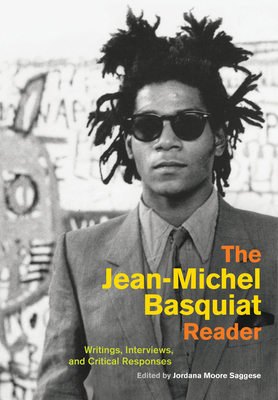
The Jean–Michel Basquiat Reader – Writings, Interviews, and Critical Responses
KSh 14,400.00

Basquiat–isms
KSh 2,350.00

