
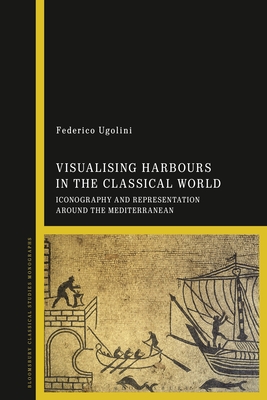
Visualizing Harbours in the Classical World : Iconography and Representation around the Mediterranean
Book Details
Format
Hardback
ISBN-10
1350125733
ISBN-13
9781350125735
Publisher
Bloomsbury Publishing PLC
Imprint
Bloomsbury Academic
Country of Manufacture
GB
Country of Publication
GB
Publication Date
Jun 11th, 2020
Print length
248 Pages
Weight
518 grams
Dimensions
24.10 x 16.40 x 2.00 cms
KSh 21,250.00
Currently unavailable
0 in stock
Delivery Location
Delivery fee: Select location
Secure
Quality
Fast
In recent years, there has been intense debate about the reality behind the depiction of maritime cityscapes, especially harbours. Visualizing Harbours in the Classical World argues that the available textual and iconographic evidence supports the argument that these representations have a symbolic, rather than literal, meaning and message, and moreover that the traditional view, that all these media represent the reality of the contemporary cityscapes, is often unrealistic. Bridging the gap between archaeological sciences and the humanities, it ably integrates iconographic materials, epigraphic sources, history and archaeology, along with visual culture.
Focusing on three main ancient ports - Alexandria, Rome and Leptis Magna - Federico Ugolini considers a range of issues around harbour iconography, from the triumphal imagery of monumental harbours and the symbolism of harbour images, their identification across the Mediterranean, and their symbolic, ideological and propagandistic messages, to the ways in which aspects of Imperial authority and control over the seas were expressed in the iconography of the Julio-Claudian, Trajan and Severii periods, how they reflected the repute, growth and power of the mercantile class during the Imperial era, and how the use of imagery reflected euergetism and paideia, which would inform the Roman audience about who had power over the sea.
Focusing on three main ancient ports - Alexandria, Rome and Leptis Magna - Federico Ugolini considers a range of issues around harbour iconography, from the triumphal imagery of monumental harbours and the symbolism of harbour images, their identification across the Mediterranean, and their symbolic, ideological and propagandistic messages, to the ways in which aspects of Imperial authority and control over the seas were expressed in the iconography of the Julio-Claudian, Trajan and Severii periods, how they reflected the repute, growth and power of the mercantile class during the Imperial era, and how the use of imagery reflected euergetism and paideia, which would inform the Roman audience about who had power over the sea.
Get Visualizing Harbours in the Classical World by Federico Ugolini at the best price and quality guaranteed only at Werezi Africa's largest book ecommerce store. The book was published by Bloomsbury Publishing PLC and it has 248 pages.
Customers Who Bought This Also Bought

Silent Patient
KSh 2,000.00
The Art of the Roman Empire
KSh 4,500.00
Maya Art and Architecture
KSh 2,450.00
Greek Art
KSh 2,600.00

Fragmenta
KSh 22,950.00

Breath of Heaven, Breath of Earth – Ancient Near Eastern Art from American Collections
KSh 8,650.00
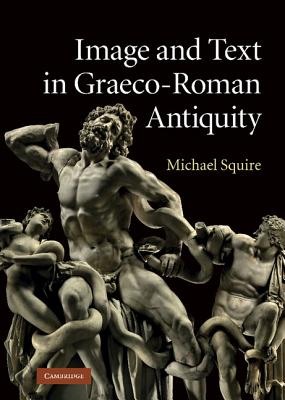
Image and Text in Graeco-Roman Antiquity
KSh 24,650.00
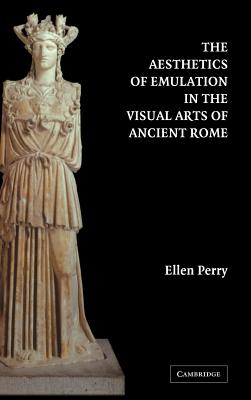
The Aesthetics of Emulation in the Visual Arts of Ancient Rome
KSh 17,100.00

Music and Philosophy in the Roman Empire
KSh 24,650.00

Forgery Beyond Deceit
KSh 21,850.00
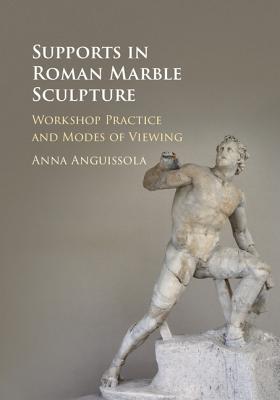
Supports in Roman Marble Sculpture
KSh 17,800.00

Hermogenes and Hellenistic-Roman Temple Building
KSh 18,700.00
