
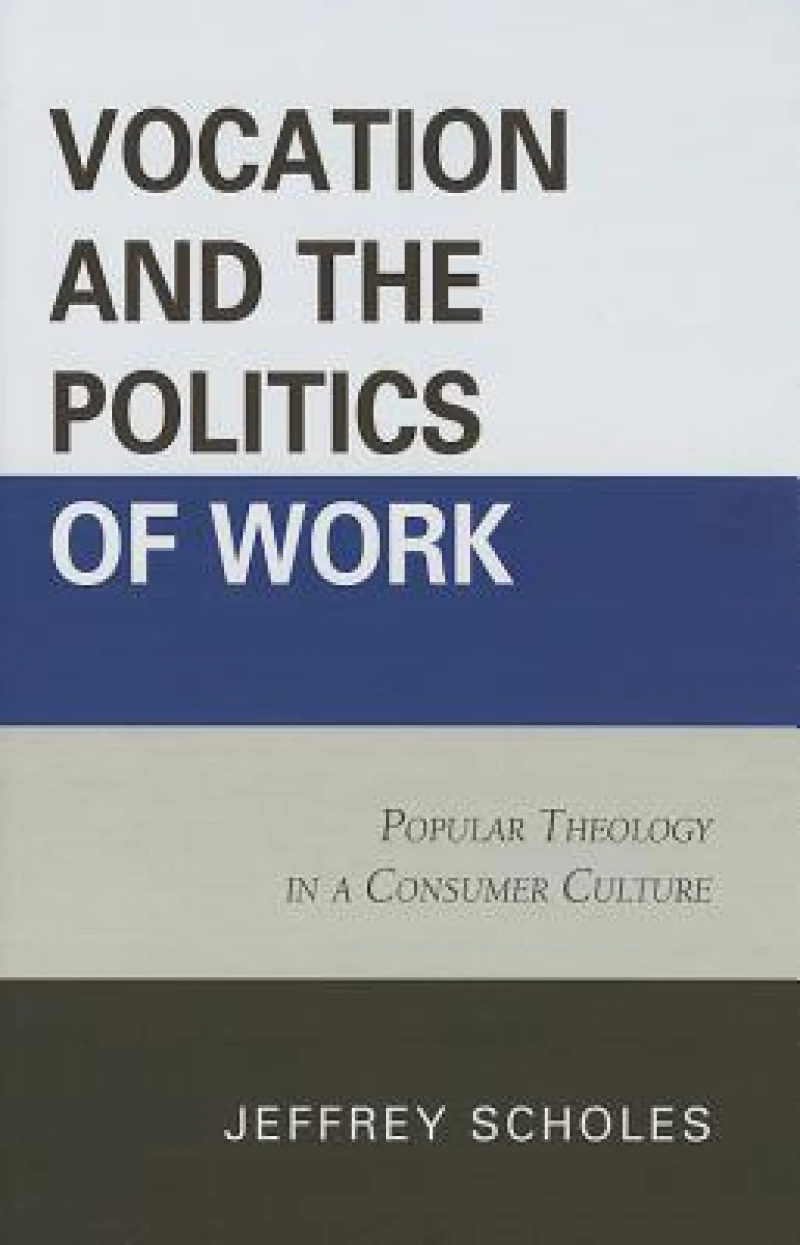
Vocation and the Politics of Work : Popular Theology in a Consumer Culture
Book Details
Format
Hardback or Cased Book
ISBN-10
0739178903
ISBN-13
9780739178904
Publisher
Bloomsbury Publishing Plc
Imprint
Lexington Books
Country of Manufacture
GB
Country of Publication
GB
Publication Date
Mar 8th, 2013
Print length
190 Pages
Weight
432 grams
Dimensions
16.10 x 23.70 x 2.00 cms
Product Classification:
Religion & politicsChristian theologyReligious groups: social & cultural aspects
Ksh 15,550.00
Manufactured on Demand
0 in stock
Delivery Location
Delivery fee: Select location
Secure
Quality
Fast
Since Martin Luther, vocations or callings have had a close relationship with daily work. It is a give-and-take relationship in which the meaning of a vocation typically negotiates with the kinds of work available (and vice-versa) at any given time. While “vocation language” still has currency in Western culture, today’s predominant meaning of vocation has little to do with the actual work performed on a job. Jeffrey Scholes contends that recent theological treatments of the Protestant concept of vocation, both academic and popular, often unwittingly collude with consumer culture to circulate a concept of vocation that is detached from the material conditions of work. The result is a consumer-friendly vocation that is rendered impotent to inform and, if necessary, challenge the political norms of the workplace. For example, he classifies Rick Warren’s concept of “purpose” in his best-selling book, The Purpose-Driven Life, as a functional equivalent of vocation that acts in this way. Other popular uses of vocation along with insights culled from traditional theology and consumer culture studies help Scholes reveal the current state of vocations in the West. Using recent scholarship in the field of political theology, he argues that resisting commodification is a possibility and a prerequisite for a “political vocation,” if it is at all able to engage the norms that regulate and undermine the pursuit of justice in many modern workplaces.
Since Martin Luther, vocations or callings have had a close relationship with daily work. It is a give-and-take relationship in which the meaning of a vocation typically negotiates with the kinds of work available (and vice-versa) at any given time. While “vocation language” still has currency in Western culture, today’s predominant meaning of vocation has little to do with the actual work performed on a job. Jeffrey Scholes contends that recent theological treatments of the Protestant concept of vocation, both academic and popular, often unwittingly collude with consumer culture to circulate a concept of vocation that is detached from the material conditions of work. The result is a consumer-friendly vocation that is rendered impotent to inform and, if necessary, challenge the political norms of the workplace. For example, he classifies Rick Warren’s concept of “purpose” in his best-selling book, The Purpose-Driven Life, as a functional equivalent of vocation that acts in this way. Other popular uses of vocation along with insights culled from traditional theology and consumer culture studies help Scholes reveal the current state of vocations in the West. Using recent scholarship in the field of political theology, he argues that resisting commodification is a possibility and a prerequisite for a “political vocation,” if it is at all able to engage the norms that regulate and undermine the pursuit of justice in many modern workplaces.
Get Vocation and the Politics of Work by at the best price and quality guaranteed only at Werezi Africa's largest book ecommerce store. The book was published by Bloomsbury Publishing Plc and it has pages.

